
Titleist sits in a very specific place in golf. It is not simply a famous badge, and it is not only associated with tour players. For many golfers in the UK, Titleist represents a performance-first route across the bag, from premium golf balls through to drivers, irons, wedges, putters and structured fitting. That breadth is one reason the brand gets researched so heavily. Golfers want to know whether Titleist is only for low handicaps, whether the products justify the price, and how to narrow the right options without being overwhelmed.
This guide brings the main pieces together in one place. It explains how the brand is structured, which product categories matter most, and where fitting should enter the conversation. It also connects equipment research with the wider practice and indoor golf resources at Outtabounds, including Indoor Golf Simulators, How to Build a Golf Simulator in the UK and Golf Fitting Nottingham.
Contents
- What Titleist covers today
- Why Titleist golf balls matter
- Clubs across the bag
- Short game and putting
- Why fitting matters in the UK
- How to research Titleist products intelligently
Explore our complete Titleist guide covering drivers, irons, golf balls and equipment insights for golfers.
See Titleist guides
Titleist range overview including golf balls, clubs and fitting guidance. Image credit: Titleist
What Titleist covers today
The easiest way to understand Titleist is to separate the brand into four practical areas. First, there are the golf balls, which remain the most recognisable part of the range. Second, there are full swing clubs such as drivers and irons, where the brand has a reputation for clean looks, strong fitting options and a more performance-led feel. Third, there are scoring clubs and putters, especially Vokey wedges and Scotty Cameron putters, which carry strong identities of their own. Fourth, there is the fitting ecosystem, which matters just as much as the products themselves if you want a setup that genuinely suits your game.
That structure is useful because a lot of golfers treat Titleist as one big premium brand and stop there. In reality, different parts of the range suit different types of player. A golfer could play a Titleist ball, fit beautifully into T-Series irons and still decide that a different driver brand works better. Another could love the GT driver family, use Vokey wedges and feel no need to move into Scotty Cameron. There is no rule that says the whole bag has to match. The real value is understanding where Titleist is strongest for your own priorities.

Titleist fitting bay and custom fitting environment in the UK. Image credit: Titleist
Why Titleist golf balls matter
The golf ball is usually the starting point because it influences every shot. Titleist has built a strong identity around that idea. The premium end of the range is led by Pro V1 and Pro V1x, with AVX offering a different style of flight and feel. Beneath those, the brand still covers golfers who want softer value options or more distance-focused models. That matters in the UK because golfers play in mixed conditions. Wind, colder months, soft greens and year-round practice all affect what a player notices in a ball.
A sensible approach is to begin with your short game and full swing flight rather than with marketing language. Do you prefer a flatter, more controlled flight, or do you want help launching the ball higher? Do you like a softer sensation through the strike, or do you want a firmer, more responsive feel? Are you choosing a premium ball because you genuinely benefit from it, or because it is simply familiar? Those questions make the ball conversation much more productive.
| Category | What Titleist Covers | Why It Matters |
|---|---|---|
| Golf balls | Premium tour balls, softer value balls and distance-led options | Ball choice affects flight, feel, spin and consistency on every shot |
| Drivers and fairways | GT family with different launch, shape and adjustability profiles | Helps match speed, forgiveness and shot pattern |
| Irons | T-Series from compact players irons to more forgiving distance models | Lets golfers choose precision, launch and forgiveness in sensible balance |
| Scoring clubs | Vokey wedges and Scotty Cameron putters | Short game performance often decides scoring more than one extra yard with driver |
| Fitting | National, regional and local fitting routes | Helps turn broad brand interest into a more precise recommendation |
Clubs across the bag
Titleist clubs tend to attract golfers who like a cleaner, more traditional look at address, but the range is broader than that reputation suggests. The GT driver family is not one single head made for one player type. The T-Series iron family is not limited to elite ball strikers. In fact, one of the most sensible things about the current Titleist setup is that it allows golfers to move gradually from precision to forgiveness as they work through the bag. A player might prefer a more precise shape in short irons but want more help in the long end of the set.
This is where indoor testing and launch monitor data become useful. At Outtabounds, a lot of equipment decisions make more sense once golfers can see start direction, spin, carry gaps and strike pattern rather than judging everything on feel alone. That same logic is why pages such as Launch Monitors and Indoor Golf Simulators are valuable even when you are researching clubs rather than planning a room. They teach golfers to think in systems, not isolated purchases.
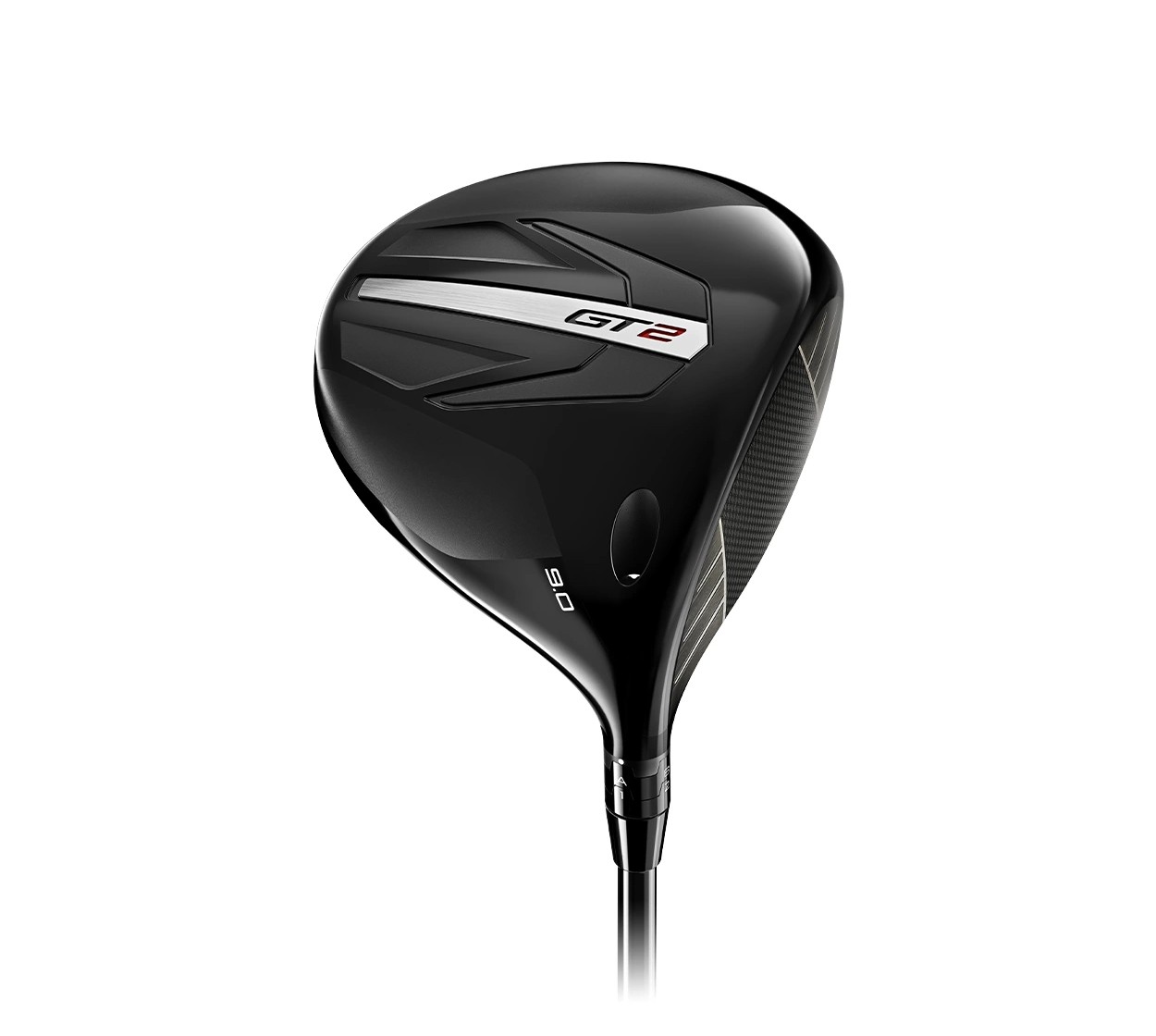
Titleist GT2 driver head profile. Image credit: Titleist
Short game and putting
Two parts of the Titleist family often become separate buying conversations. Vokey wedges are really about loft gapping, turf interaction and shot versatility. Scotty Cameron putters are more about shape, setup preferences, length, toe flow and the value a golfer places on premium craftsmanship. Both categories can be misunderstood. Golfers often buy wedges by loft alone and putters by appearance alone. The better route is to ask what shots you actually play, what turf you normally encounter and what your setup tendencies look like under pressure.
This is also where Titleist becomes more commercially interesting than purely informational. A golfer does not need every option explained in minute detail. They need a sensible route to the next good decision. For some, that may be replacing an old wedge setup and leaving the rest of the bag alone. For others, it may be finally understanding whether a premium putter changes performance, confidence or neither. That kind of decision framework is much more useful than chasing a headline claim.
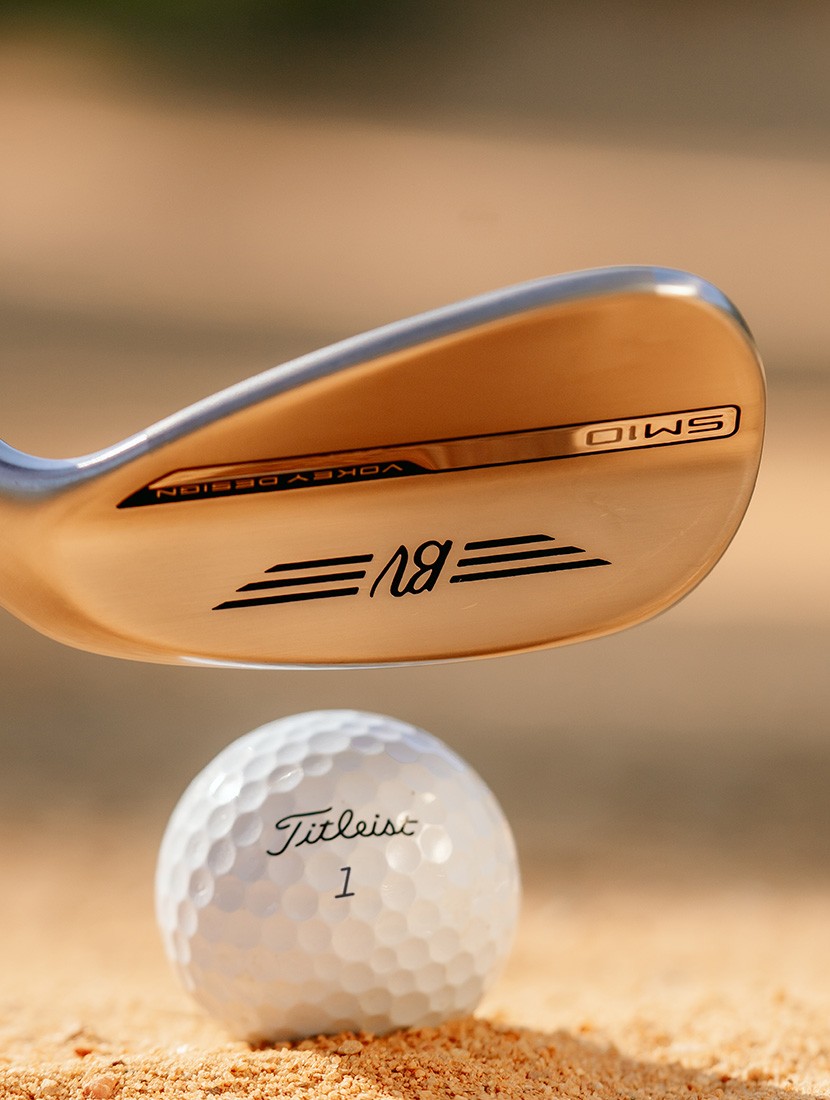
Titleist Vokey wedge and golf ball in bunker. Image credit: Titleist
Why fitting matters in the UK
Titleist puts fitting at the centre of the conversation for good reason. The products are designed to be chosen with more precision than a quick retail test usually allows. In the UK, that matters because golfers often buy during winter, practise indoors, or compare equipment through simulator sessions rather than through repeated outdoor demos. A strong fitting process helps connect what you feel with what the data shows.
It also helps resolve the questions that most golfers actually have. Is the issue launch or strike? Is the club too upright, too long or simply the wrong head profile? Does the ball flight you think you want actually help you score? Even if you never book a full brand-specific fitting, understanding the fitting logic makes you a better buyer. That is one reason local resources such as Golf Fitting Nottingham can be so useful alongside broader category guides such as How to Build a Golf Simulator in the UK.

Titleist regional fitting centre session. Image credit: Titleist
How to research Titleist products intelligently
The smartest route is to move from broad to specific. Start by deciding which part of the bag matters most right now. Then narrow the player profile, not just the product name. After that, decide whether you need information, testing or a fitting. Doing this in order prevents the common mistake of jumping straight into model comparison without first understanding the problem you are trying to solve.
If you are still early in your research, use the rest of this series as a map. Begin with the golf ball guides if you want the widest impact on performance. Go into drivers or irons if you are planning a bigger equipment change. Read the wedge, putter and fitting pieces if scoring and confidence are the real priorities. And if your testing will happen indoors, the broader Outtabounds resources on Indoor Golf Simulators, Golf Simulator Garden Rooms and Impact Screens will help you interpret what you see more clearly.
Explore the Full Titleist Series
- Titleist UK: Complete Guide to Golf Balls, Clubs and Fitting
- Best Titleist Golf Balls for Different Golfers in the UK
- Titleist Pro V1 vs Pro V1x vs AVX: Which Ball Should You Buy?
- Titleist GT Drivers Explained: GT1, GT2 and GT3 Compared
- Titleist T-Series Irons Explained: T100, T150, T250 and T350
- Titleist Vokey Wedges Explained: Loft, Bounce and Grind Basics
- Are Scotty Cameron Putters Worth It for UK Golfers?
- Is a Titleist Fitting Worth It in the UK?
- How to Build a Titleist Set: Balls, Clubs and Gapping from Tee to Green
Conclusion
Titleist is best understood as a connected performance ecosystem rather than a single premium label. The golf balls, clubs, wedges, putters and fitting routes each solve slightly different problems, and the best buying decisions come from matching those solutions to your own game. If you approach the range in that calm, practical way, it becomes much easier to see where Titleist genuinely fits.
[TOP_CTA_Bottom]


