

Titleist drivers attract attention because the brand has a strong reputation for clean looks, fitting depth and tour validation, but the real buying question is much simpler. Which GT model gives you the launch, forgiveness and strike pattern that make sense for your game? That is the question this guide answers.
The GT family is not a one-size-fits-all driver line. GT1, GT2 and GT3 exist to solve different player needs, and the differences are easier to understand when you think in terms of launch profile, head shape, adjustability and fitting opportunity. If you are still planning the bigger picture around home testing or launch monitor use, the Outtabounds guides on Indoor Golf Simulators and How to Build a Golf Simulator in the UK are useful companions to this article.
Explore our complete Titleist guide covering drivers, irons, golf balls and equipment insights for golfers.
See Titleist guides
Titleist GT driver family overview for UK golfers. Image credit: Titleist
How the GT driver family is structured
The first thing to understand is that Titleist is not asking every golfer to choose between three nearly identical heads. GT1, GT2 and GT3 give you different pathways into the same family. That makes the line easier to shop, because you can begin with the broad category that sounds right before you fine tune loft, shaft and hosel settings.
| Model | General role | What to think about first |
|---|---|---|
| GT1 | The most launch-friendly and easiest starting point for some golfers | Do you want help with speed, launch or an easier overall driver experience? |
| GT2 | A broad all-round option with strong forgiveness appeal | Do you want a stable head that still feels neutral and versatile? |
| GT3 | The more adjustable, player-shaped route | Do you want more specific fitting control and a head that reflects a more defined delivery pattern? |
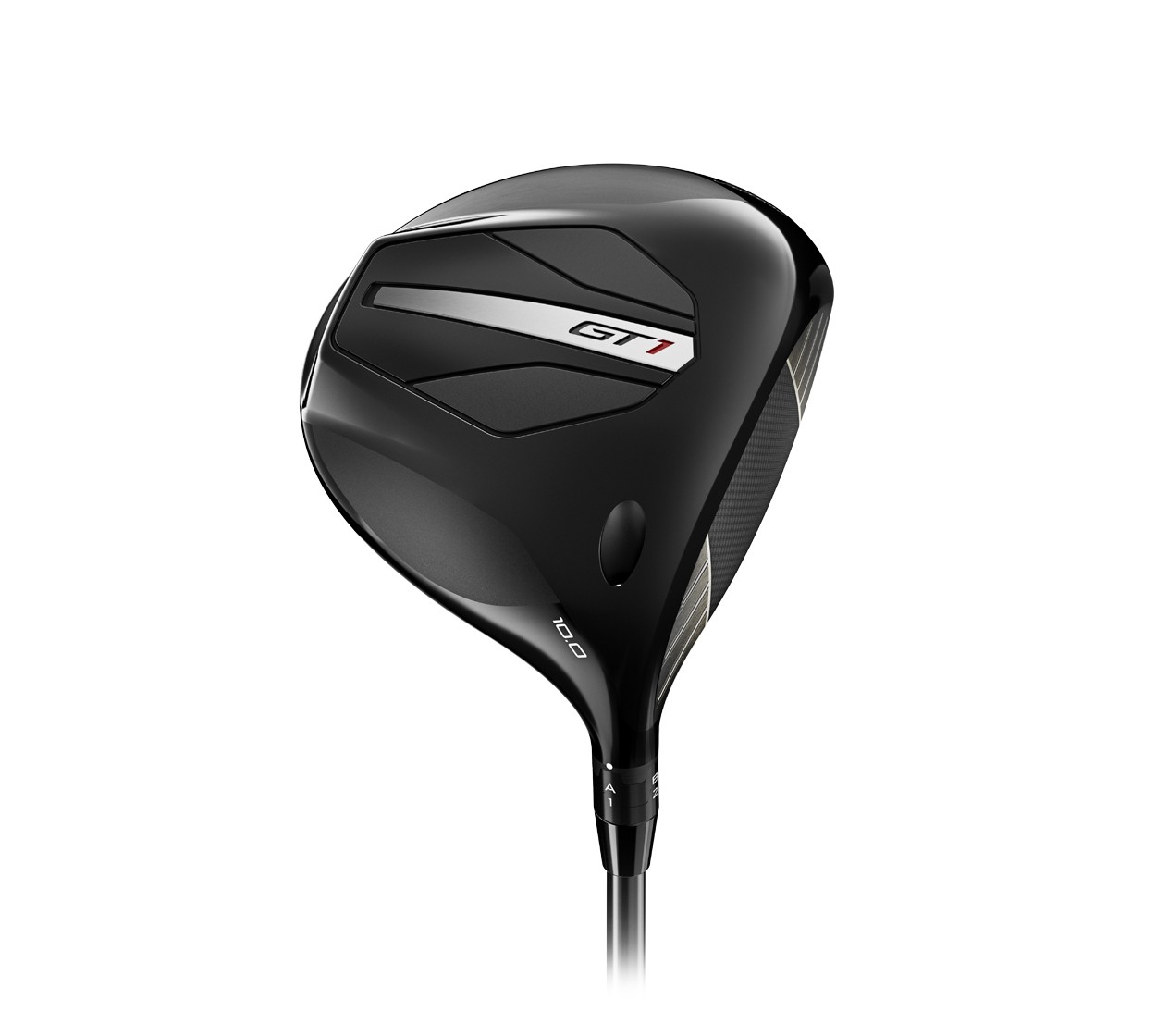
Titleist GT1 driver head. Image credit: Titleist
GT1: when easier launch is the priority
GT1 is the model to notice if you want the driver to feel more accessible rather than more demanding. That does not mean it is only for slow swingers or beginners. It means the design conversation tends to start with launch support, ease of use and making the most of the speed you already produce. For golfers who struggle to get the ball up consistently or who find some premium drivers a little too serious, this can be a very sensible place to begin.
The key buying point is not ego. It is outcome. If GT1 gives you a better launch window, tighter carry pattern and more confidence from the tee, then it is doing its job. Many golfers would play better by embracing that logic rather than choosing the head they think they are supposed to like.
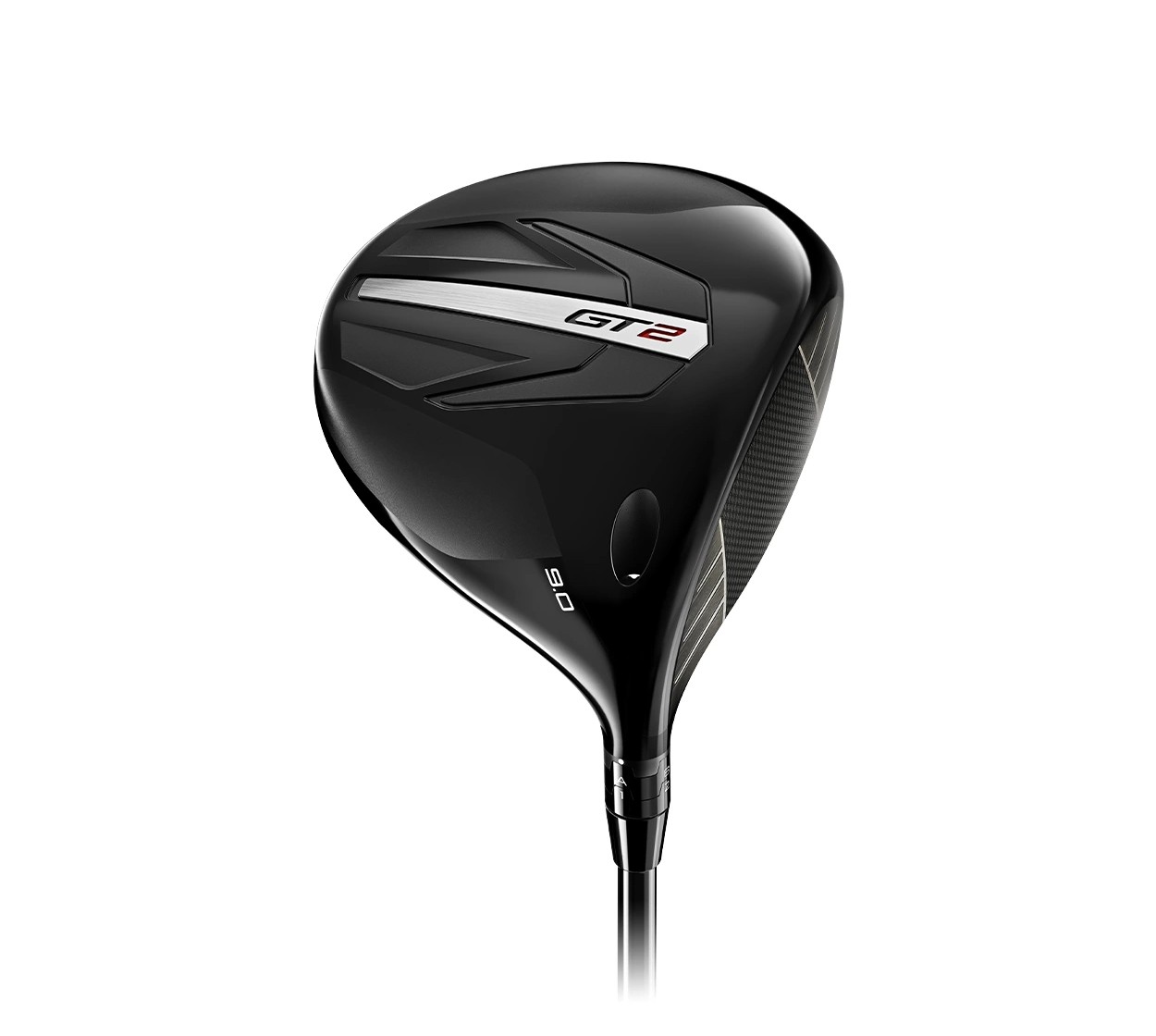
Titleist GT2 driver head. Image credit: Titleist
GT2: the broadest fit in the family
GT2 is likely to be the easiest model for many golfers to understand because it often sits in the middle in a very useful way. It can appeal to players who want forgiveness, speed and a clean Titleist look without feeling that the driver has been built around a very specific player profile. In practical buying terms, GT2 is the model many golfers should test before making any assumptions.
That makes GT2 particularly relevant for golfers moving from an older Titleist driver or from another brand entirely. If your goal is to tighten dispersion and improve the quality of your average tee shot, rather than chase one perfect strike, GT2 is a sensible benchmark.
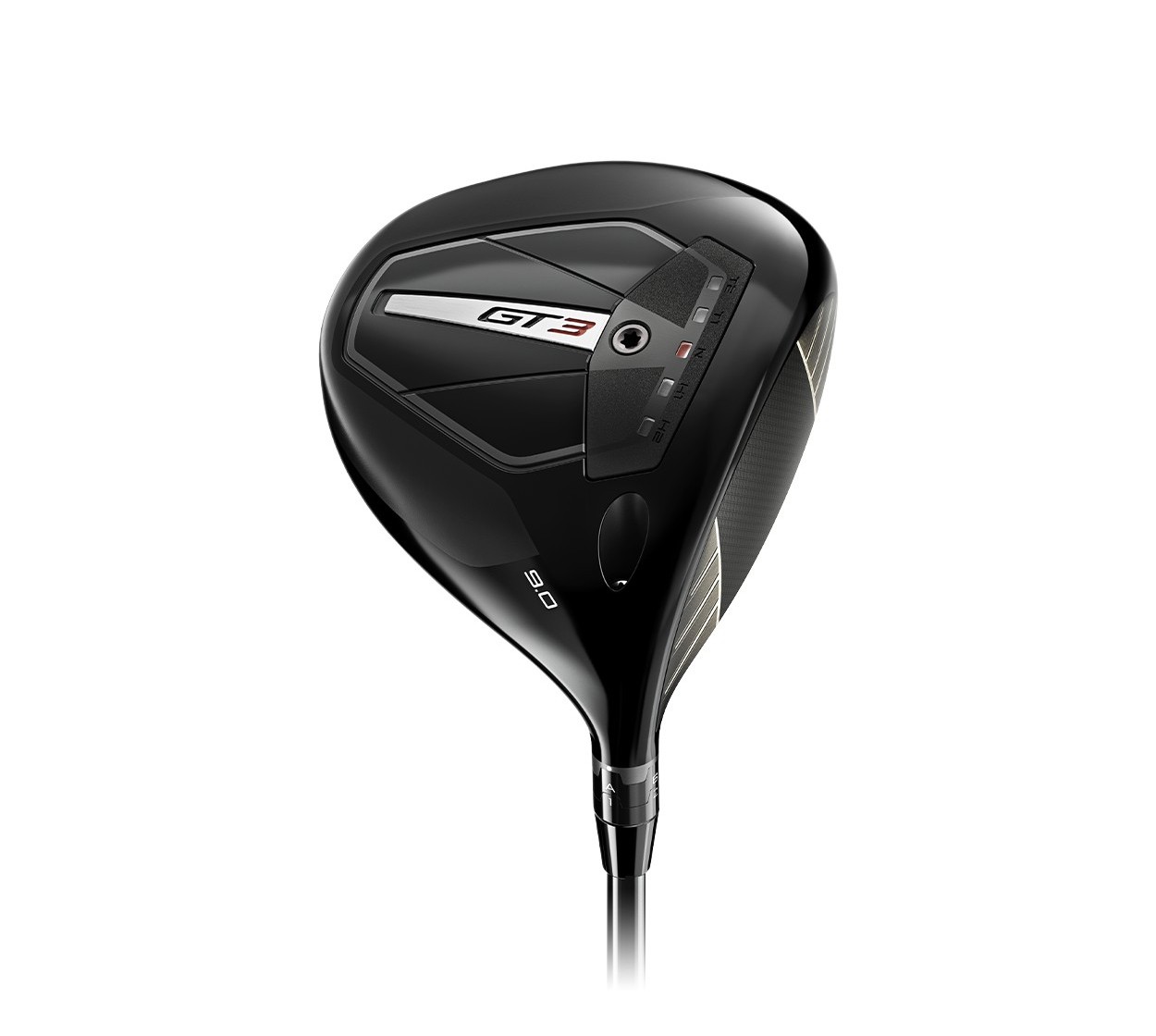
Titleist GT3 driver head. Image credit: Titleist
GT3: for more specific fitting control
GT3 tends to appeal to golfers who want a more player-shaped look and who can benefit from more precise tuning. That does not mean it is automatically better for low handicaps only, but it does mean the fitting conversation becomes more important. The golfer choosing GT3 usually wants to understand strike pattern, face delivery and what small setup changes do to start line and curvature.
Because of that, GT3 is often the model least worth buying blind. If you are interested in it, a real fitting or a structured data session is far more valuable than a quick range impression. That is where support from resources such as Launch Monitors and Golf Fitting Nottingham can help you get more from the decision.
Why the shaft and fitting process matter as much as the head
Golfers frequently compare driver heads and forget that the full result comes from the whole package. Loft, shaft weight, shaft profile, playing length and hosel settings all influence whether a driver actually works. Titleist fitting becomes especially relevant here because the brand has a strong fitting culture and a structured approach through national, regional and local options.
If you practise indoors or plan to test drivers in a simulator environment, make sure the setup is good enough to show reliable ball flight and strike information. That links the driver conversation with wider Outtabounds topics such as Impact Screens, Golf Projectors & Mounts and Hitting & Putting Mats. A driver test becomes much more useful when the room and technology are not adding confusion.
Explore the Full Titleist Series
- Titleist UK: Complete Guide to Golf Balls, Clubs and Fitting
- Best Titleist Golf Balls for Different Golfers in the UK
- Titleist Pro V1 vs Pro V1x vs AVX: Which Ball Should You Buy?
- Titleist GT Drivers Explained: GT1, GT2 and GT3 Compared
- Titleist T-Series Irons Explained: T100, T150, T250 and T350
- Titleist Vokey Wedges Explained: Loft, Bounce and Grind Basics
- Are Scotty Cameron Putters Worth It for UK Golfers?
- Is a Titleist Fitting Worth It in the UK?
- How to Build a Titleist Set: Balls, Clubs and Gapping from Tee to Green
Conclusion
The Titleist GT driver family becomes much easier to understand once you stop asking which model is best and start asking which model is built around your delivery and your preferred driver outcome. GT1 is the easier-launching route, GT2 is the broad all-round benchmark, and GT3 is the more specifically fit option. Test them in that spirit and the right choice usually becomes obvious.
[TOP_CTA_Bottom]


