

Golfers often say they want to play the best Titleist ball, but that is not really the right question. The better question is which Titleist ball suits the way you launch the ball, the type of feel you like, and the amount of spin support you actually benefit from. That distinction matters because the range is deliberately broad. Titleist is not only selling one premium tour concept in different packaging. It covers a spread from tour-level all-round performance through to softer value balls and more distance-led options.
If you want a better buying decision, start with what you notice on the course and in practice. Ball choice becomes far easier once you think about trajectory, iron stopping power, short game feel and value over time. It also helps to connect that thinking with the way you practise, whether that is on the course, on the range or through indoor sessions linked to Indoor Golf Simulators and Launch Monitors.
Explore our complete Titleist guide covering drivers, irons, golf balls and equipment insights for golfers.
See Titleist guides
Titleist golf ball range for UK golfers. Image credit: Titleist
Start with flight and feel, not marketing
The biggest ball-buying mistake is starting with reputation instead of performance preference. Pro V1 may be the most famous model, but that does not automatically make it the right one for every player. Some golfers launch it beautifully and love the softer, controlled feel. Others prefer the higher flight and firmer response of Pro V1x. Others still find that AVX gives them a more comfortable blend of distance and feel. At the more accessible end of the range, golfers may actually score better by choosing a model that suits their speed, strike pattern and budget rather than forcing themselves into a premium option.
In practical terms, think about your own tendencies. If you already hit the ball quite high, you may prefer a lower, flatter window. If you struggle to hold greens, you may want more height and stopping power. If you simply want a softer feel off the putter and better all-round value while you play regularly through the UK winter, a non-tour option could be the more rational choice.
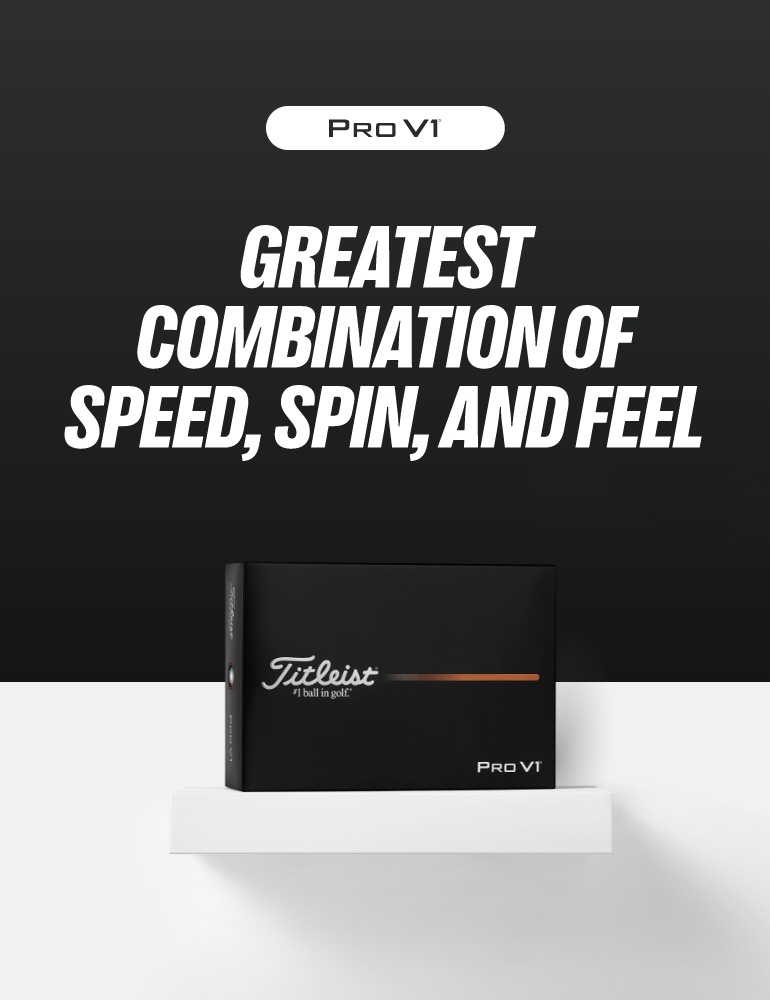
Titleist Pro V1 golf ball product artwork. Image credit: Titleist
How the main Titleist ball families differ
| Model family | General personality | Who it can suit |
|---|---|---|
| Pro V1 | Mid flight, soft feel, balanced long game and short game performance | Golfers who want premium all-round performance without the highest flight window |
| Pro V1x | Higher flight, firmer feel, more spin support into greens | Players who want more peak height and a more lively sensation off the face |
| AVX | Lower flight, soft feel, strong distance orientation with tour-inspired short game control | Golfers who want a different premium flight window and softer feel profile |
| Tour Soft | Soft-feeling all-round option | Golfers who value feel and a simpler price point |
| Velocity | Distance-led option | Golfers focused on speed and carry more than premium greenside nuance |
| TruFeel | Soft, accessible and straightforward | Golfers who prioritise comfort and value |
That does not mean each model only suits one type of player. Ball fitting is often more nuanced than handicap labels suggest. A better player can prefer a softer value ball for certain reasons, and a mid handicap player can benefit enormously from a premium ball if they care about distance control and greenside consistency. The point is that the family differences create a starting framework.
Which Titleist ball suits different golfer types
A competitive golfer or a golfer who practises regularly will often notice the benefits of the premium models most clearly. That is because the gains are not only about distance. They also show up in consistency, trajectory management, wedge control and how the ball feels during scoring shots. For golfers who play enough to recognise those details, the premium route can make excellent sense.
An improving golfer who still loses the odd ball, plays in mixed conditions and wants good feel without treating the ball as a precious object may be better served by Tour Soft, Velocity or TruFeel depending on priorities. There is no weakness in that decision. A ball you trust and can afford to use consistently is often more valuable than a premium model you feel reluctant to commit to.
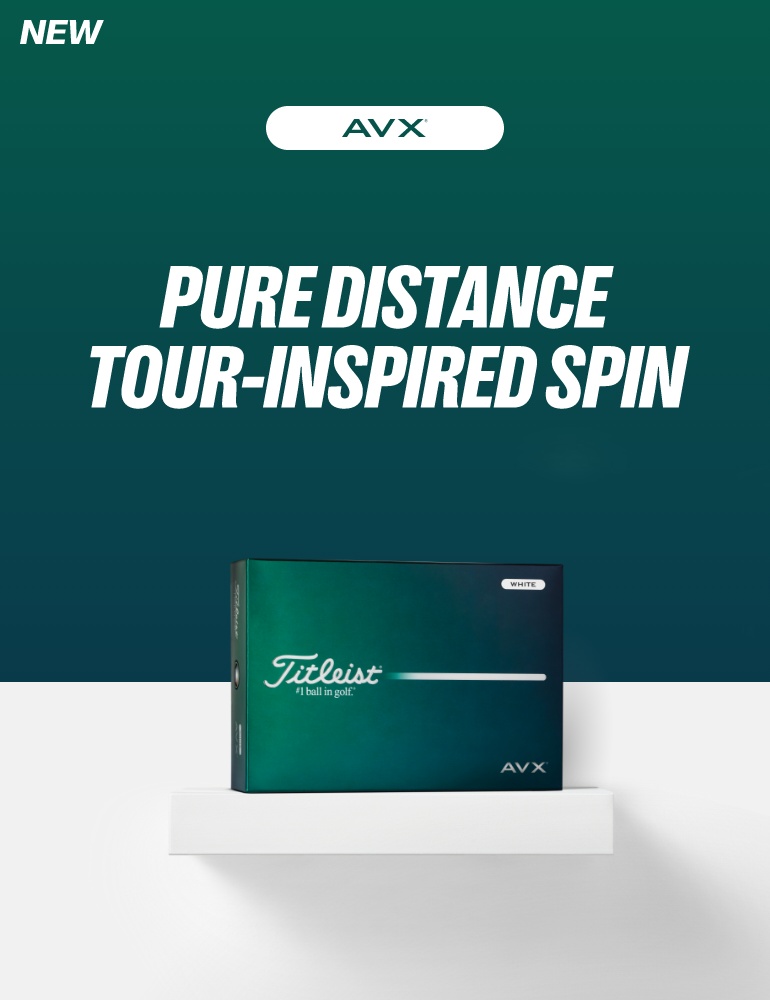
Titleist AVX golf ball product artwork. Image credit: Titleist
When premium balls are worth the money
Premium balls are worth the money when you actually use the performance. That usually means one or more of the following is true. You care about partial wedge control. You notice flight windows. You want more consistency in how the ball reacts from 100 yards and in. Or you are trying to build a more repeatable setup where the ball becomes a stable part of the system. That last point is overlooked, but it matters. If you change clubs, practise indoors or book fittings, keeping the ball choice consistent helps you interpret results more clearly.
This is also where Outtabounds resources beyond the ball category can help. If you are combining equipment research with home practice or simulator plans, How to Build a Golf Simulator in the UK, Golf Simulator Garden Rooms and Impact Screens all support clearer decision-making because they make you think about consistency, measurement and real use cases.
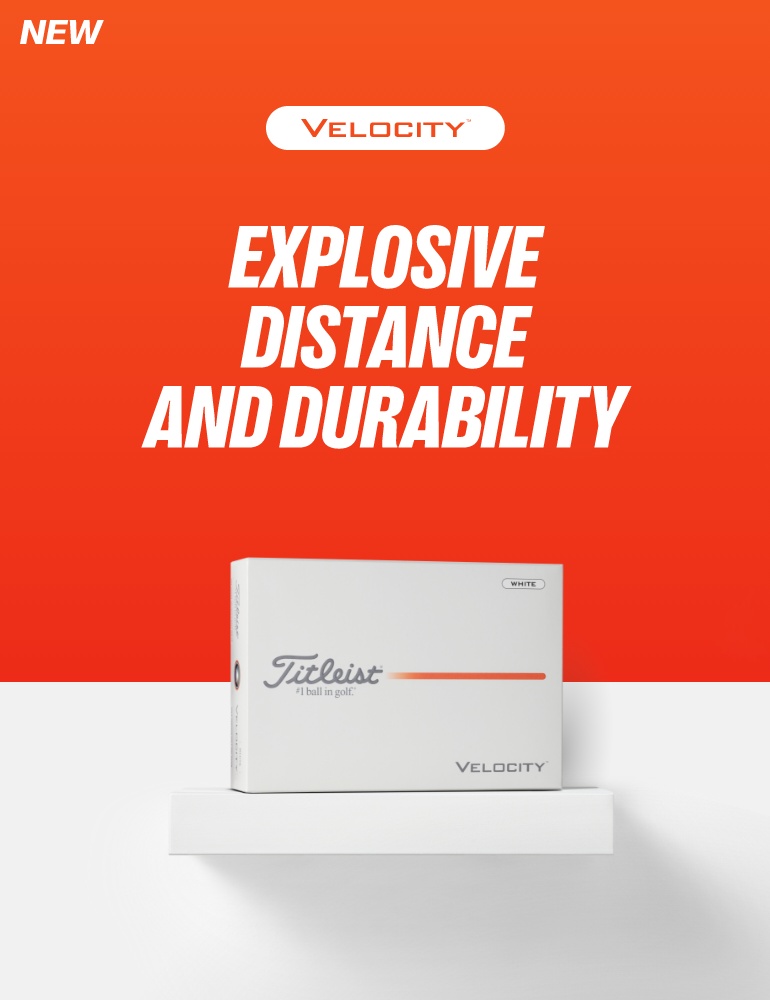
Titleist Velocity golf ball product artwork. Image credit: Titleist
Common mistakes when choosing a ball
The first mistake is copying what better players use without asking why they use it. The second is choosing entirely on softness without considering flight and spin. The third is changing models too often, which makes it hard to build useful feedback. The fourth is ignoring how the ball behaves on your scoring shots. A lot of golfers judge balls from driver first, when in reality the difference that affects scoring may show up on wedges, chips and putts.
A sensible buying process is simple. Shortlist two or three Titleist models. Use the same clubs. Compare flight, carry, stopping power and feel. Then choose one and stick with it long enough to learn something. That approach is far more useful than reading endless opinions online.
Explore the Full Titleist Series
- Titleist UK: Complete Guide to Golf Balls, Clubs and Fitting
- Best Titleist Golf Balls for Different Golfers in the UK
- Titleist Pro V1 vs Pro V1x vs AVX: Which Ball Should You Buy?
- Titleist GT Drivers Explained: GT1, GT2 and GT3 Compared
- Titleist T-Series Irons Explained: T100, T150, T250 and T350
- Titleist Vokey Wedges Explained: Loft, Bounce and Grind Basics
- Are Scotty Cameron Putters Worth It for UK Golfers?
- Is a Titleist Fitting Worth It in the UK?
- How to Build a Titleist Set: Balls, Clubs and Gapping from Tee to Green
Conclusion
The best Titleist golf ball for a UK golfer is not the one with the biggest reputation. It is the one that fits your preferred flight, feel, scoring needs and budget. Once you frame the decision that way, the range becomes easier to understand and much easier to buy from with confidence.
[TOP_CTA_Bottom]


