

Building a Titleist set is not about collecting matching logos. It is about creating a bag that works together from tee to green. That sounds simple, but plenty of golfers still buy in fragments. They choose a driver on impulse, buy irons based on looks, replace wedges only when the grooves look tired and never really think about how the ball choice connects to the rest. The result is often a bag with mixed messages.
A better route is to treat the setup as a system. That system starts with the golf ball, flows through the full swing clubs and ends with coherent distance gaps and short game roles. This article gives you that framework, and it sits naturally alongside wider Outtabounds guides such as Golf Fitting Nottingham, Indoor Golf Simulators and How to Build a Golf Simulator in the UK.
Explore our complete Titleist guide covering drivers, irons, golf balls and equipment insights for golfers.
See Titleist guides
Titleist full bag building guide from tee to green. Image credit: Titleist
Start with the golf ball
The golf ball should usually be the anchor because it influences every shot and creates consistency during fitting and practice. If you keep changing the ball, it becomes much harder to judge what the rest of the bag is doing. That does not mean you must begin with a full ball fitting, but it does mean you should settle on a ball category that reflects your real preferences for flight, feel and scoring control.
Once the ball is stable, the rest of the bag becomes easier to evaluate. Driver launch, iron descent, wedge spin and even putting feel all make more sense when the ball is not changing from session to session.
| Golfer priority | Where to begin | Why this order works |
|---|---|---|
| Broad whole-bag reset | Ball first, then driver or irons | Creates a consistent baseline for testing the larger categories |
| Tee-shot problem first | Ball, then driver fitting | Lets you judge launch and spin with fewer variables |
| Scoring focus | Ball, wedges and putter | Improves the part of the game that often affects scores fastest |
| Unclear yardage gaps | Ball, irons and wedges | Builds the middle and lower end of the bag around repeatable distances |

Titleist Pro V1 ball as a starting point for bag building. Image credit: Titleist
Build the top of the bag around real launch needs
The driver and fairway part of the bag should be built around what actually happens off the face, not around hope. A golfer who needs a more stable tee-shot pattern should prioritise that. A golfer who already drives it well but struggles with approach play may not need to start there. This is why a bag build should be problem-led.
If driver is the first issue, the GT family becomes the obvious Titleist route to explore. But the right model only matters if the loft, shaft and setup are also sensible. That is another reason structured testing matters. A lot of the best bag-building work is really about avoiding one expensive mistake at the top of the set.
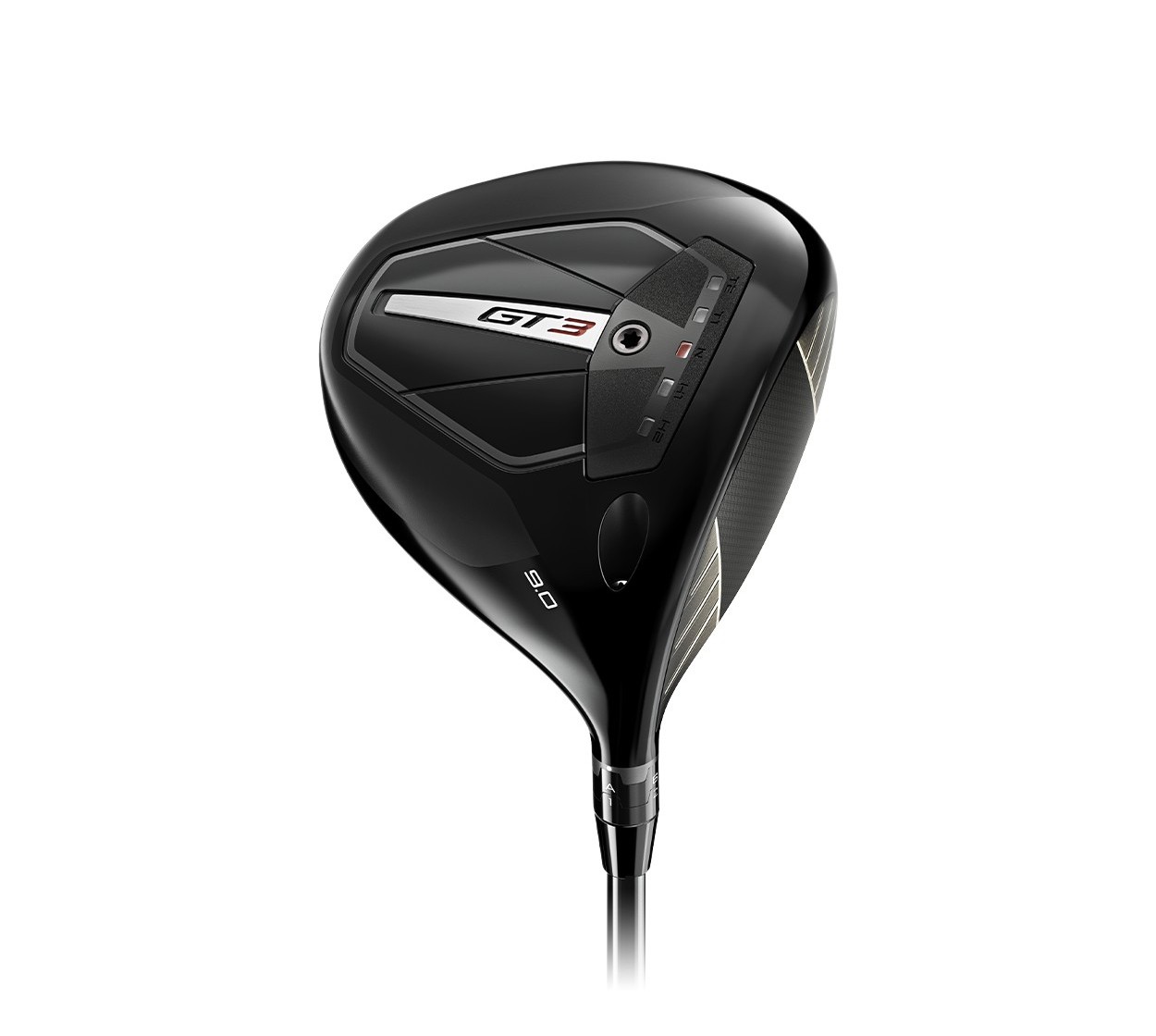
Titleist GT3 driver as part of a full bag setup. Image credit: Titleist
Use the iron set to define the middle of the bag
Irons create the bag's core identity. They determine how you see the ball at address, what launch and distance pattern you live with most often and how the transition into wedges works. With Titleist, the T-Series makes this part easier because the family already contains multiple routes from precision to forgiveness. The question is where you sit on that spectrum and whether a blended set gives you a better answer.
If long irons are a weakness, it may make sense to add more help at that end. If your scoring irons are the strength of your game, you may want more precision there. A good set build is not supposed to be neat on paper. It is supposed to be playable on the course.
Finish with wedges, putter and gapping
This is the part many golfers rush, even though it often decides whether the bag feels coherent. Your wedge lofts should sit correctly below the iron set. The bounce and grind choices should match your delivery and conditions. The putter should reflect your preferred shape and setup. All of those things influence scoring more directly than a tiny gain in raw clubhead speed.
For golfers who practise indoors, this is where a home setup can be especially helpful. Distance gapping, launch windows and start line work can all be rehearsed more often if the environment is good. That is why broader Outtabounds resources on Impact Screens, Golf Projectors & Mounts and Golf Simulator Garden Rooms fit naturally alongside bag-building research.
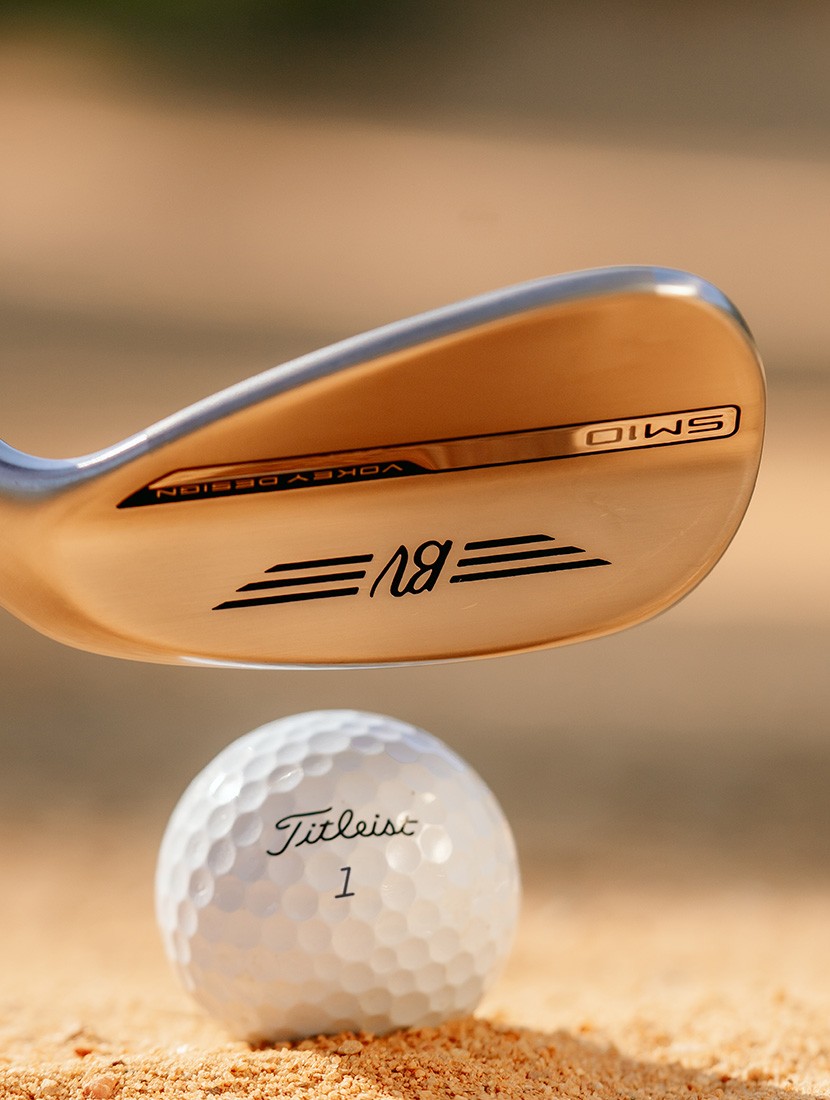
Titleist Vokey wedge in a scoring setup. Image credit: Titleist
Three sensible ways to build a Titleist setup
A golfer does not have to buy the whole bag at once. One route is the phased route, where you stabilise the ball, then fix driver or irons, then finish with wedges and putter. Another is the scoring-first route, where the ball, wedges and putter are treated as the immediate performance priorities. The third is the full fitting route, where you build the whole specification in a coherent sequence and then decide what to buy first.
Each route can work. The right one depends on your budget, how urgent the equipment change is and where the biggest on-course weakness actually sits.
What a finished Titleist bag should feel like
The best full set feels logical. There are no awkward distance overlaps. The ball flight windows make sense. The scoring clubs have clear jobs. The putter looks right. Most of all, the bag supports repeatable decisions rather than creating fresh uncertainty. That is the real goal, not brand uniformity for its own sake.
Explore the Full Titleist Series
- Titleist UK: Complete Guide to Golf Balls, Clubs and Fitting
- Best Titleist Golf Balls for Different Golfers in the UK
- Titleist Pro V1 vs Pro V1x vs AVX: Which Ball Should You Buy?
- Titleist GT Drivers Explained: GT1, GT2 and GT3 Compared
- Titleist T-Series Irons Explained: T100, T150, T250 and T350
- Titleist Vokey Wedges Explained: Loft, Bounce and Grind Basics
- Are Scotty Cameron Putters Worth It for UK Golfers?
- Is a Titleist Fitting Worth It in the UK?
- How to Build a Titleist Set: Balls, Clubs and Gapping from Tee to Green
Conclusion
To build a Titleist set well, start with the ball, match the top of the bag to your real launch needs, define the middle through sensible iron choices and finish with clear wedge and putter roles. Do that, and the bag becomes much more than a collection of premium clubs. It becomes a system.
[TOP_CTA_Bottom]


