

PXG sits in the premium end of the golf equipment market, but the brand is about more than a black finish and a higher price tag. In the UK, PXG appeals to golfers who want a custom-built club, a distinctive look and a fitting-led route rather than a quick shelf purchase.
That does not automatically make PXG right for everyone. Some golfers will love the feel, the fitting experience and the confidence the clubs give them. Others will look at the price, compare the competition and decide that a more mainstream option gives them enough performance for less money.
This guide breaks the brand down properly, from current club categories and fitting priorities to value, indoor practice and how to judge whether PXG suits your game rather than simply your curiosity.
Contents
- What PXG is and why golfers notice it
- The current PXG club categories
- Who PXG tends to suit
- PXG pricing and value in the UK
- Why fitting is central to PXG
- How PXG fits indoor golf and simulator practice
- How to buy PXG sensibly in the UK
Comparing premium clubs is easier when your practice space and data are reliable. Explore Outtabounds guides on indoor golf, simulator planning and launch data.
Explore Indoor Golf Simulators
PXG clubs and custom fitting overview. Image credit: PXG
This article forms part of the Outtabounds PXG Series.
What PXG is and why golfers notice it
PXG is a modern golf brand built around premium positioning, aggressive visual identity and a very strong belief in custom fitting. The company does not present its products as commodity clubs. It presents them as performance tools that should be built around the golfer, not forced into a standard stock setup.
For UK golfers, that usually means the PXG conversation starts with curiosity. People notice the branding, hear opinions about pricing, then start asking whether the clubs actually perform. The useful answer is that PXG can perform extremely well, but the experience depends heavily on fit, shaft choice and whether the specific model family matches the golfer in front of it.
That is one reason PXG research often overlaps with topics such as golf simulator planning and launch monitors. Golfers want real numbers, not just branding, and PXG is one of the brands that leans into that data-led process.
The current PXG club categories

PXG club fitting session and full bag setup. Image credit: PXG
PXG now covers the full bag. In practical buying terms, most UK golfers will look at drivers, fairway woods, hybrids, irons, wedges and putters, then narrow that down into a fitted build. Current product conversations usually revolve around premium long-game heads, forged and game-improvement irons, multiple wedge options and an expanding putter range that now includes zero torque models.
The club count alone is not what makes PXG interesting. The more useful point is that each category has a clear role. Some heads are built for speed and forgiveness, others for tighter shape control, and others for golfers who want the head to look compact without becoming punishing. That gives PXG a wider player fit than many people assume.
| Category | Typical PXG focus | Who it can suit |
|---|---|---|
| Drivers and woods | Speed, adjustability and premium build | Golfers who want a fitted top end of the bag with clear launch windows |
| Irons | A split between precision models and more forgiving heads | Players who want either feel and control or more help through the set |
| Wedges | CNC-milled, premium short game options | Golfers who care about gapping, turf interaction and feel |
| Putters | Traditional shapes plus zero torque designs | Golfers choosing between familiar looks and more stability through the stroke |
Who PXG tends to suit
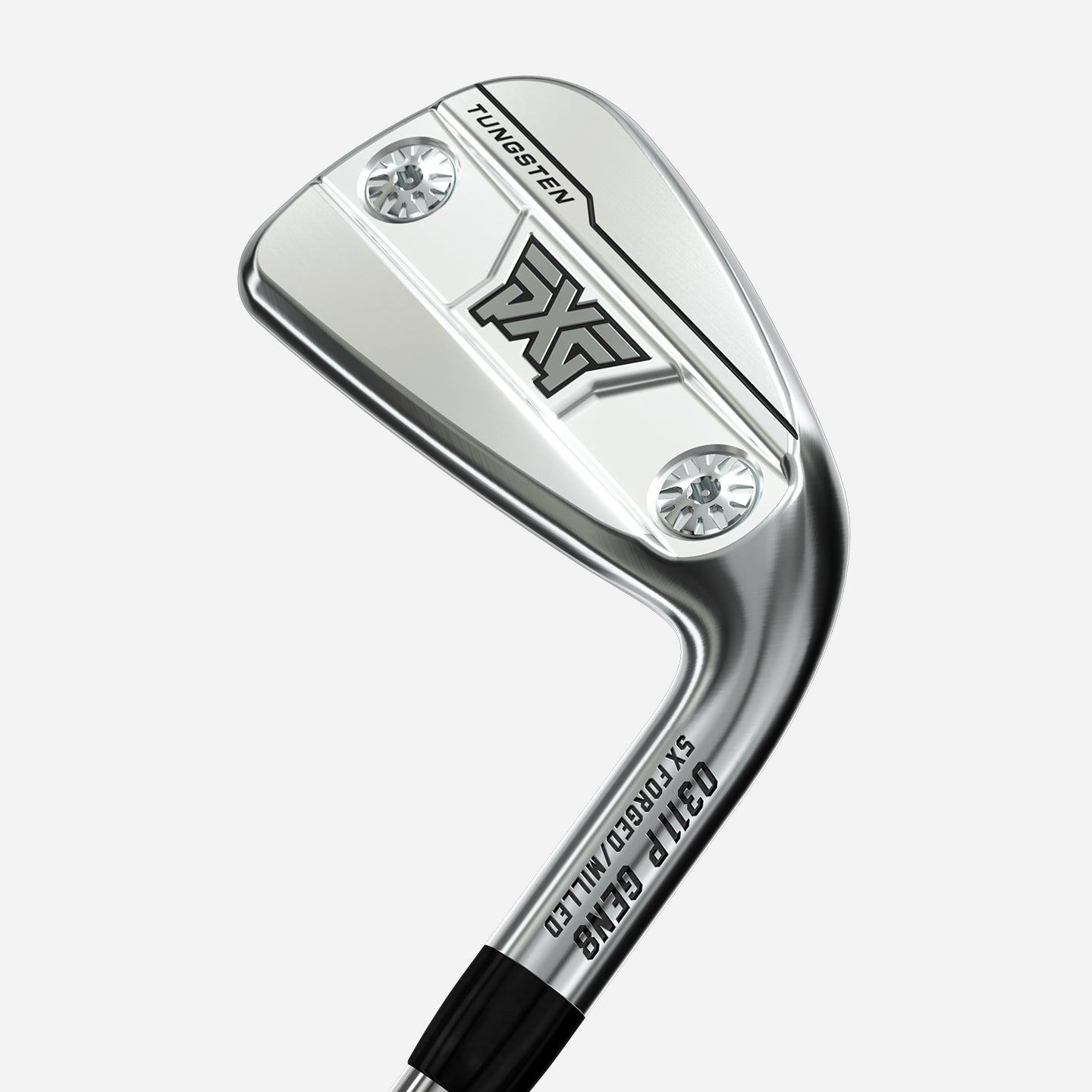
PXG iron design with premium forged shaping. Image credit: PXG
PXG tends to suit golfers who enjoy detail. If you care about how a head sits behind the ball, how a shaft profile changes timing, or how the right grip size settles your hands, PXG becomes easier to appreciate. Golfers who are happy to spend on a fitting and keep the clubs for a meaningful period often get more from the brand than golfers chasing quick deals.
It can suit a broad handicap range too. Better players may be drawn to shape, feel and tighter flight control, while improving golfers may prefer the more forgiving iron and wood families. The key is not assuming PXG is only for one type of player. The better question is whether the model, spec and budget line up properly.
That spec conversation often leads into golf shafts and golf grips. PXG is a brand where those choices can change the result dramatically, so buying by head name alone is rarely enough.
PXG pricing and value in the UK
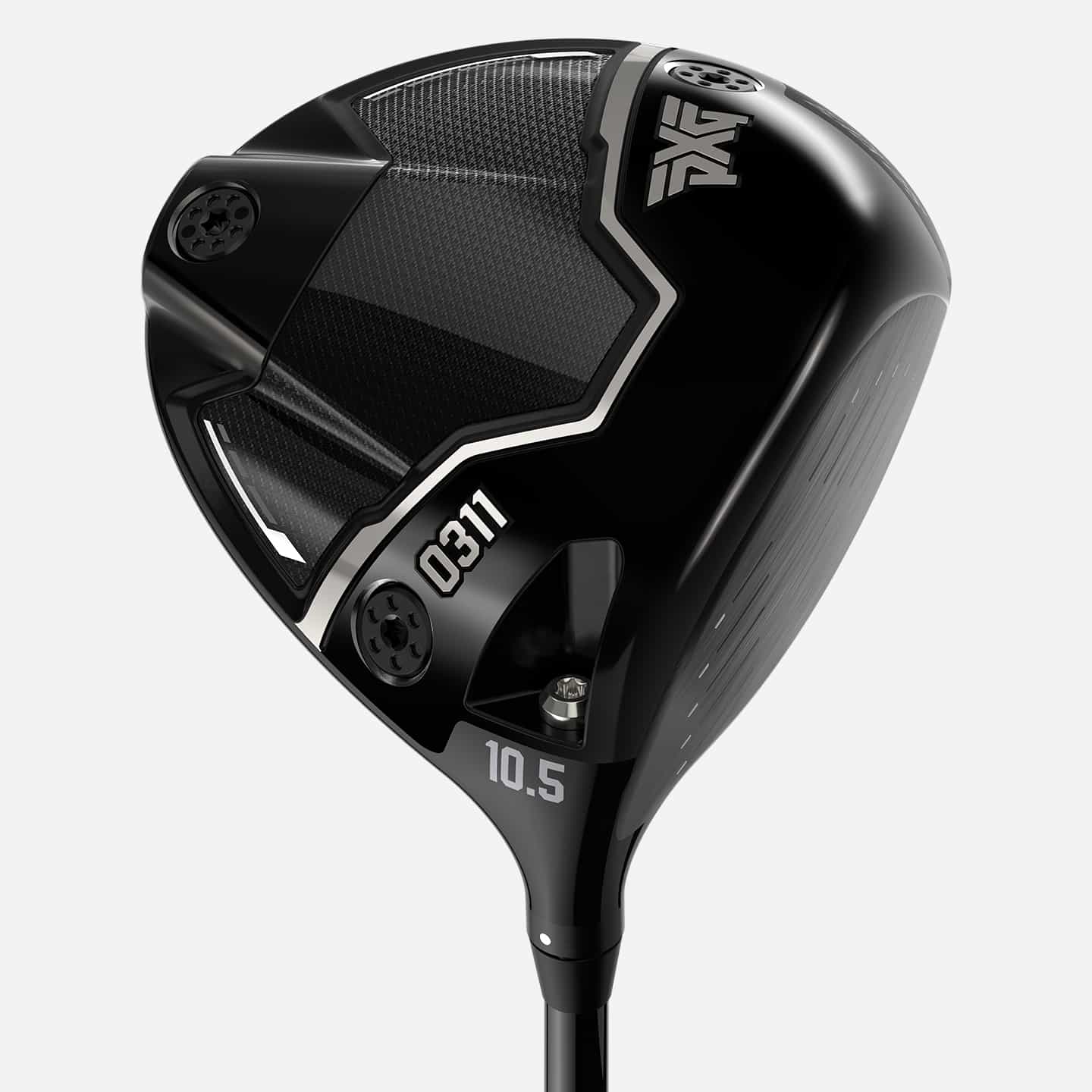
PXG driver head in black finish. Image credit: PXG
The obvious barrier for many golfers is price. PXG usually sits above mainstream stock club packages, and that makes the brand easy to dismiss if you only compare shelf numbers. A fairer way to judge value is to separate product cost from buying process. You are not only paying for a head. You are often paying for a more individual build, more premium component options and a brand built around the idea that fit is part of the product.
That does not mean the premium is always justified. If a golfer has not yet learned what launch window, shaft weight, lie angle or grip size they prefer, paying top-end money too early can be wasteful. PXG can be best when the golfer already knows they value nuance, or is ready to use a detailed fitting to narrow the decision properly.
It can also be sensible to compare the cost of a fully fitted new build with the cost of improving a current set through golf club reshafting or grip changes. Sometimes a better build is the right answer. Sometimes a better spec inside the clubs you already own is enough.
Why fitting is central to PXG
PXG makes the most sense when you treat fitting as part of the buying decision, not a sales add-on. The brand is built around the idea that golfers should be matched to loft, lie, shaft, head shape, swing weight and feel rather than pushed toward a default stock build. That is where the brand can justify itself.
A good fitting should answer practical questions. Which head keeps speed on your poor strikes? Which shaft helps you square the face without feeling heavy? Does a smaller grip increase tension, or does a larger one calm the hands down? How does the strike pattern change when you alter lie angle or weight?
If a session does not answer those kinds of questions, the fitting has not done enough work. PXG is at its best when the golfer leaves with a spec they understand, not just a receipt.
How PXG fits indoor golf and simulator practice
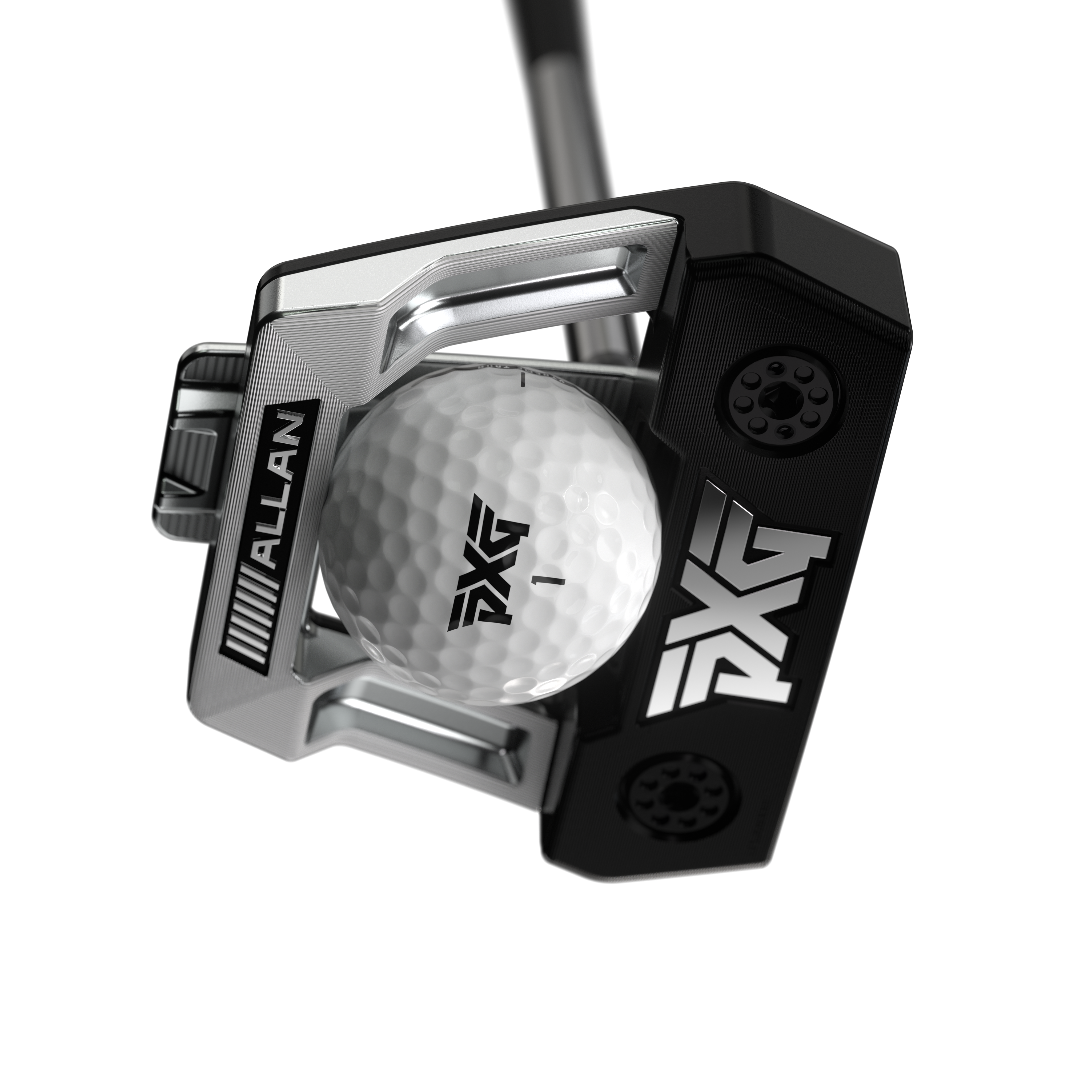
PXG putting technology and premium finish. Image credit: PXG
PXG clubs can work very well in an indoor golf simulator environment because the brand leans heavily on measurable differences. Indoor sessions help golfers compare launch, spin, start line, strike location and gapping without relying on guesswork from a windy range session.
That said, indoor numbers only help if the setup is good. Hitting from a poor mat into a cramped bay with unreliable tracking can send golfers toward the wrong conclusion. The room, the software and the data source all need to be good enough to support the club decision.
For golfers building a home practice environment, PXG research often pairs well with planning around room layout, screen choice and the quality of the launch data you can trust. It is not about turning the room into a showroom. It is about making sure your practice environment helps you compare clubs properly.
How to buy PXG sensibly in the UK
Start by being honest about why you are interested. If the attraction is purely aesthetic, admit that and price it accordingly. If the attraction is performance, commit to the fitting process and judge every category separately. A PXG driver might suit you brilliantly while the irons do not, or the putter might be the part of the range that stands out most.
Second, think in terms of outcomes rather than hype. Better dispersion, improved strike quality, tighter wedge gapping or more confidence on short putts are useful outcomes. Owning an expensive brand without a clear gain is not.
Finally, buy a spec you understand. The more expensive the club, the more important that becomes. Know why the shaft is in the club, know why the loft was chosen and know whether the grip helps your hands sit naturally. That is how PXG becomes a smart purchase rather than an emotional one.
Explore the Full PXG Series
- PXG UK: Complete Guide to Clubs, Fitting and Who the Brand Suits
- Best PXG Drivers in the UK: Black Ops, Lightning and Which Head Fits You
- PXG Irons Explained: GEN8, Black Ops and How to Choose the Right Set
- PXG Fairway Woods and Hybrids: Which Models Make Sense for Your Bag?
- PXG Wedges Explained: Loft Gapping, Bounce and Who They Suit
- PXG Putters Explained: Blade, Mallet and Zero Torque Options
- Are PXG Clubs Worth the Money? Premium Pricing Explained
- PXG Fitting in the UK: What to Expect and How to Get Better Value
- Are PXG Clubs Good for Indoor Golf and Simulator Practice?
Conclusion
PXG is not a niche brand for one type of golfer and it is not a magic answer either. It is a premium, fitting-led brand that can be excellent when the model, build and player line up.
For UK golfers, the smartest way to approach PXG is to use the brand as a starting point for a proper equipment conversation. Test it, fit it, compare it honestly and decide whether the result is strong enough to justify the investment.


