

PXG putters now cover a wider range of tastes than many golfers expect. The brand offers traditional looking heads, high-MOI mallets and a growing zero torque conversation for golfers who want more resistance to face twist through the stroke.
That makes PXG interesting because putter buying is deeply personal. Some golfers want a familiar blade look. Others want more visual help, more forgiveness or a head that encourages a quieter face through impact.
Comparing premium clubs is easier when your practice space and data are reliable. Explore Outtabounds guides on indoor golf, simulator planning and launch data.
Explore Indoor Golf Simulators
PXG putter range and zero torque conversation. Image credit: PXG
Blade, mallet and zero torque are different decisions
The first decision is shape. A blade-style putter usually appeals to golfers who like a cleaner look and more traditional visual framing. A mallet often gives more alignment help and a stronger feeling of stability. Zero torque models take that one step further by trying to reduce twisting and keep the face tracking more square with less manipulation.
None of those categories is universally better. The useful question is how the head helps you set up, aim and control pace. If a putter makes you feel organised at address and keeps impact quality consistent, it deserves serious attention.
| Putter type | What golfers often like about it | Possible trade-off |
|---|---|---|
| Blade | Traditional look, compact shape, plenty of feedback | Can feel less stable on misses for some players |
| Mallet | High stability, stronger alignment cues | Larger footprint does not suit every eye |
| Zero torque | Helps reduce face twist and encourages a quieter stroke | The setup and feel can seem unfamiliar at first |
Why PXG zero torque putters stand out
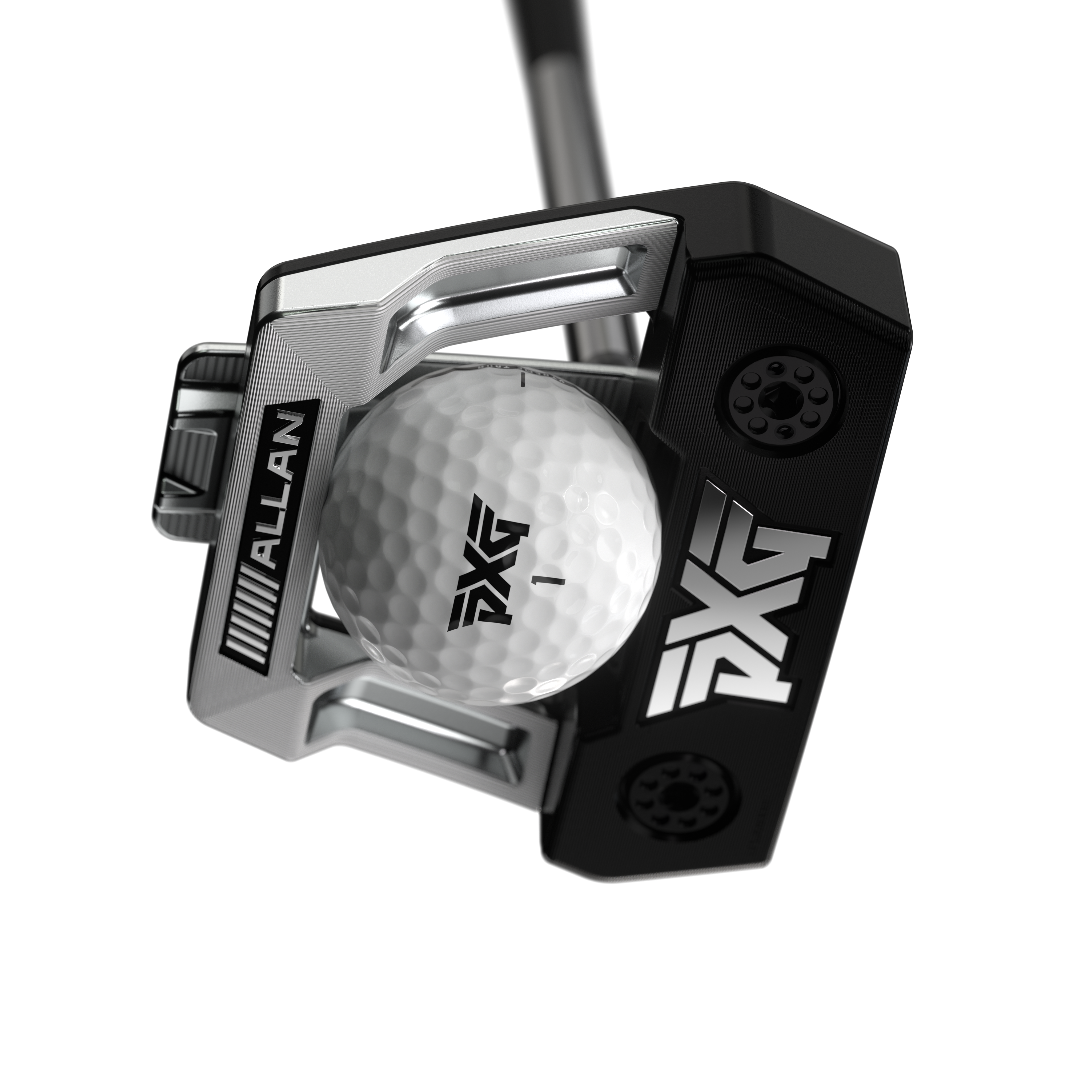
PXG Allan putter with zero torque design. Image credit: PXG
PXG has leaned into zero torque technology as part of its modern putter story. The appeal is straightforward: if the design helps the face stay squarer with less hand action, golfers who struggle with delivery can become more consistent.
That does not mean zero torque is only for poor putters. Some good players like it because it simplifies the stroke and reduces the urge to manipulate the face late. Others still prefer a more conventional blade or mallet because it gives them a clearer sense of touch and rotation.
Head shape still influences the result
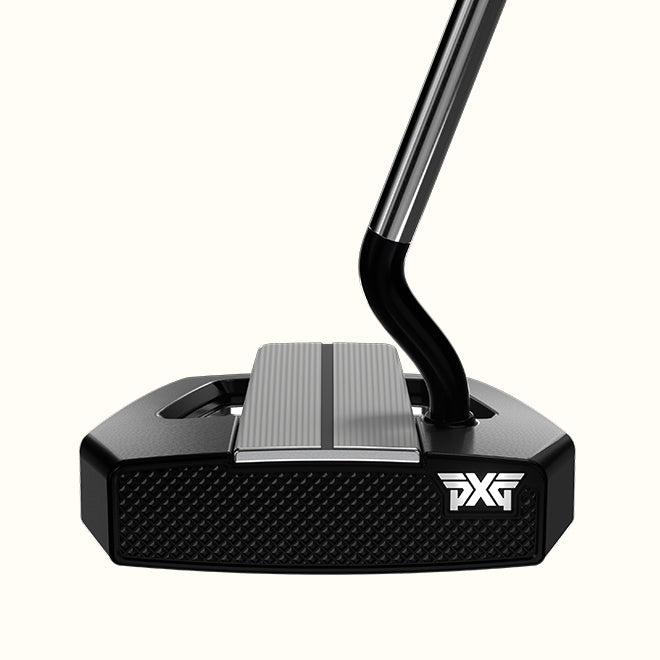
PXG putter hosel and face alignment details. Image credit: PXG
Even within a single technology family, shape matters. A larger head can make alignment easier. A more compact one can feel less cumbersome on short putts. The same golfer may like the idea of zero torque but prefer one PXG model over another because the framing fits their eye better.
Grip choice deserves attention too. Putter feel changes quickly when the grip is too small, too thick or shaped in a way that does not support your hand position, which is why golf grips remain relevant even in the putting conversation.
How to test a PXG putter properly
Testing a putter is not about holing one 20-footer in the shop. Start with aim, face contact and pace control from short and medium range. If the head looks awkward behind the ball or you keep fighting the face, that is useful information straight away.
Indoor practice can help here too. A good indoor golf simulator space or controlled putting area lets you compare start line and pace without wind or variable greens affecting everything.
While putter fitting is not the same as a full-swing session, data from launch monitors and specialist fitting tools can still help explain loft, lie and impact tendencies if you want a more structured answer than feel alone.
Which PXG putter route makes sense?
Choose a conventional blade or mallet if you already like your release pattern and mainly want a putter that fits your eye and improves confidence. Choose zero torque if you want more face stability and you are open to a slightly different setup experience in exchange for that support.
The smart decision is to judge the putter on how it behaves in your hands, not on trend. PXG has enough variety now that you can choose a concept that genuinely matches your stroke rather than forcing yourself into one.
Explore the Full PXG Series
- PXG UK: Complete Guide to Clubs, Fitting and Who the Brand Suits
- Best PXG Drivers in the UK: Black Ops, Lightning and Which Head Fits You
- PXG Irons Explained: GEN8, Black Ops and How to Choose the Right Set
- PXG Fairway Woods and Hybrids: Which Models Make Sense for Your Bag?
- PXG Wedges Explained: Loft Gapping, Bounce and Who They Suit
- PXG Putters Explained: Blade, Mallet and Zero Torque Options
- Are PXG Clubs Worth the Money? Premium Pricing Explained
- PXG Fitting in the UK: What to Expect and How to Get Better Value
- Are PXG Clubs Good for Indoor Golf and Simulator Practice?
Conclusion
PXG putters are not a one-note category. The brand now gives golfers a real choice between traditional looks, high-stability mallets and zero torque designs.
Pick the model that helps you aim, start the ball on line and control distance with the least friction. That is the putter decision that usually lasts.


