

PXG irons are no longer just a single premium talking point. The range now spans golfers who want sharper feel and control, players who need help launching the ball and those who want a modern game-improvement option without giving up a premium build.
That is good news, but it also means buying PXG irons is more complex than saying you want the latest model. The right set depends on strike quality, preferred shape, gapping needs and how you want the long and short end of the set to behave.
Comparing premium clubs is easier when your practice space and data are reliable. Explore Outtabounds guides on indoor golf, simulator planning and launch data.
Explore Indoor Golf Simulators
PXG iron range overview. Image credit: PXG
How to split the PXG iron families
In simple terms, PXG irons divide into heads that lean more toward precise feel and heads that lean more toward easy speed and forgiveness. Current conversation often centres on GEN8 for golfers who want premium fitting flexibility and on Black Ops for golfers who want game-improvement help without a clumsy look.
The useful buying habit is to stop thinking about irons as one block. You may prefer one type of head in the mid and short irons, while needing more help in the long irons. That is why combo builds remain a sensible option for many golfers.
| PXG iron route | What it tends to prioritise | Who it often suits |
|---|---|---|
| GEN8 style build | Feel, fitting precision and stronger player customisation | Golfers who want a premium fitted iron with more nuance in build decisions |
| Black Ops irons | Easy launch, speed and help across the face | Golfers who want game-improvement performance in a premium package |
| Driving iron option | Lower, stronger flight at the top end | Golfers who want a specific long-iron or tee-shot tool |
What GEN8 brings to the discussion
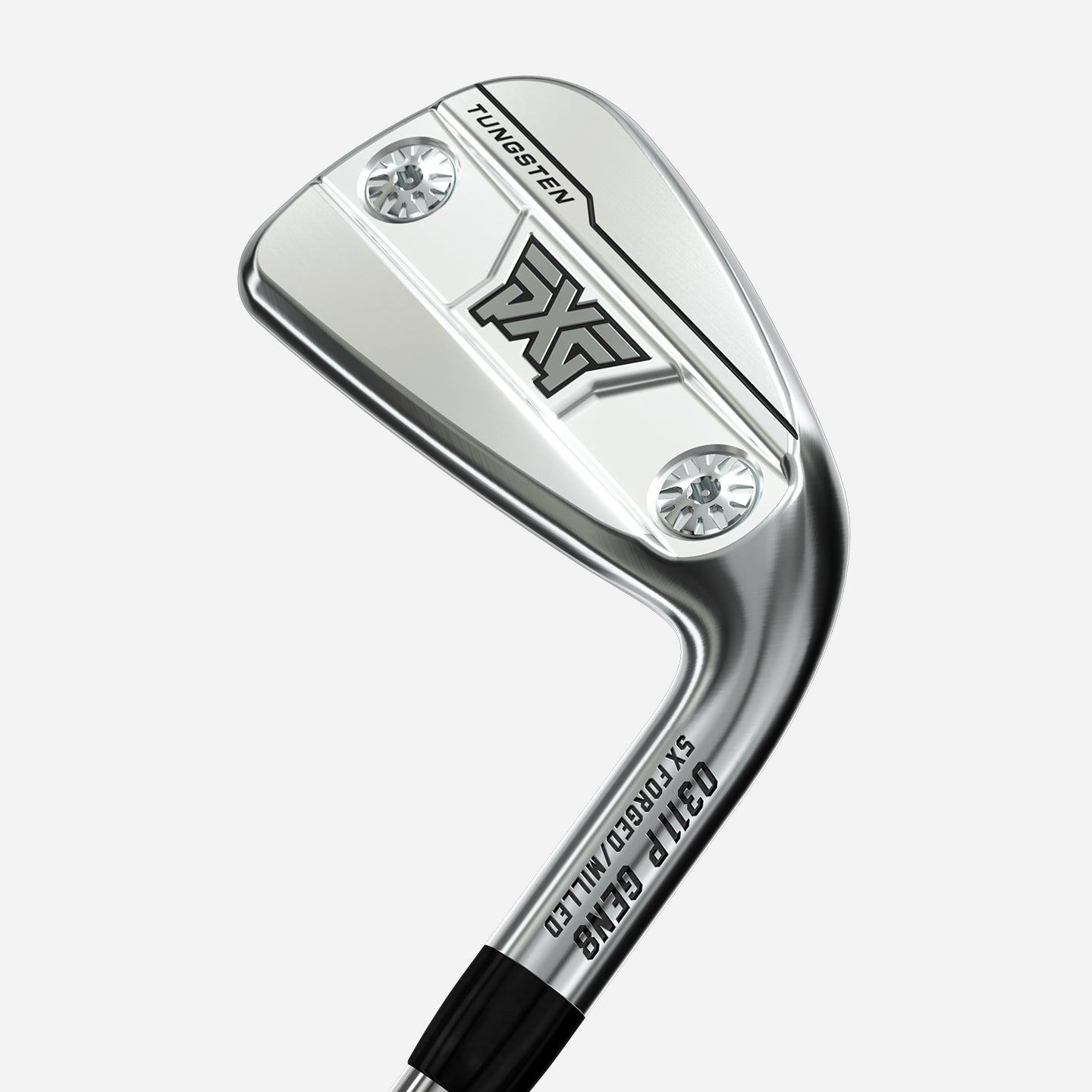
PXG GEN8 iron close-up. Image credit: PXG
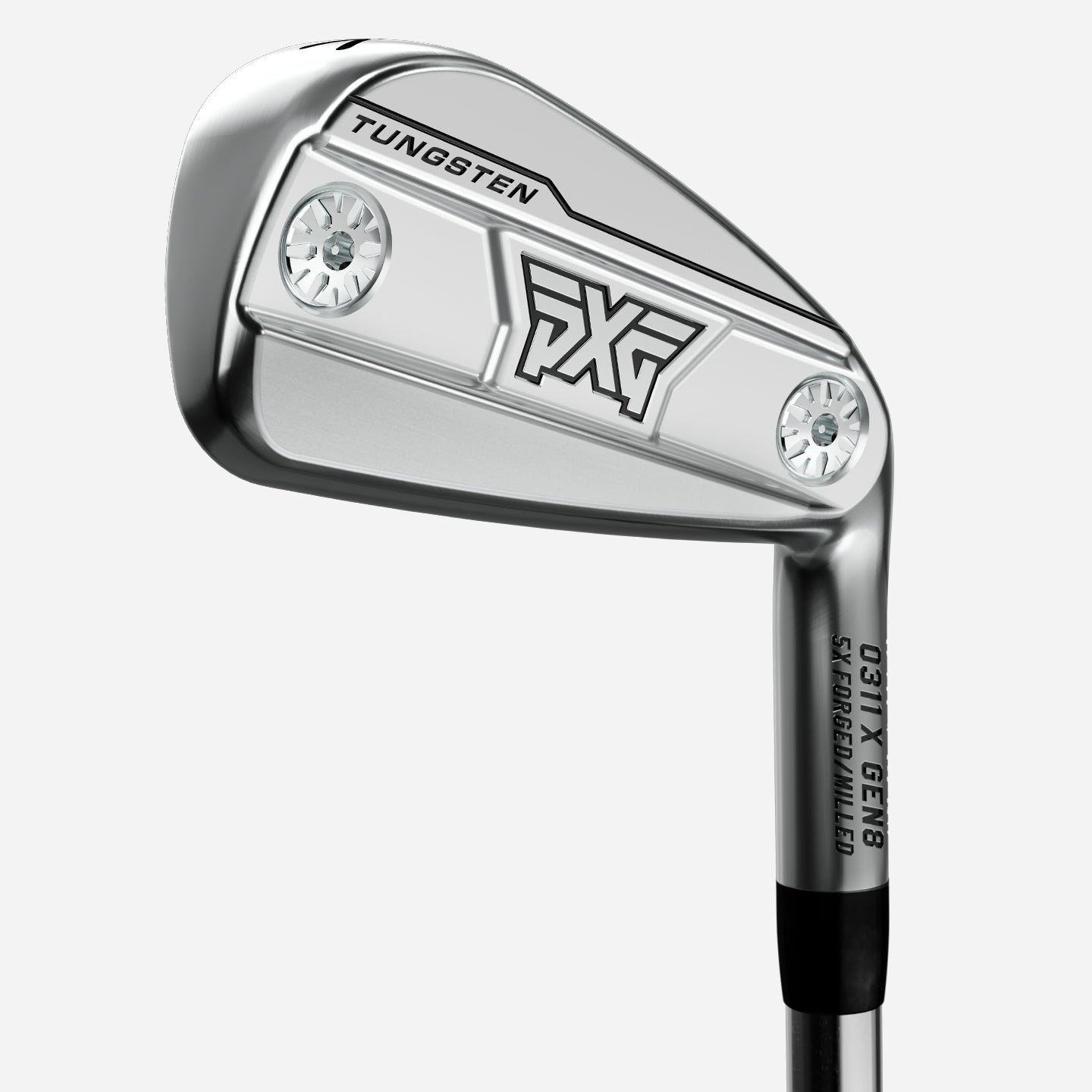
GEN8 irons make sense for golfers who want PXG to feel fully premium. The attraction is not only the head. It is the combination of feel, build quality and the ability to use weighting, shaft selection and lie angle to create a more personal result.
That does not mean GEN8 is automatically better for every player. Some golfers simply need more launch help and more speed retention on misses than a cleaner players-style conversation provides. The best iron is the one that supports your normal strike, not the one that flatters your ego on the rack.
What Black Ops irons do differently
PXG driving iron and long iron setup. Image credit: PXG
Black Ops irons are the part of the PXG story that broadens the brand’s appeal. They offer the kind of help many club golfers genuinely need: easier launch, faster ball speed and more forgiveness when contact drifts away from the middle.
That can be especially useful for golfers who like the PXG brand but previously assumed the range was too demanding or too tied to low handicappers. In reality, a forgiving PXG iron can be a strong option for players who want premium build quality without making the game harder than it already is.
The build details are where PXG irons really change
Iron performance is shaped heavily by the build. Shaft weight, bend profile, lie angle and grip size all influence strike quality and start line, which is why golf shafts and golf grips deserve more attention than many golfers give them.
A lighter shaft can help one golfer launch the ball better while making another lose face control. A lie change can tighten direction for one player and make another aim wrong. PXG irons only pay off properly when the spec lines up with how you deliver the club.
If your current set already fits you reasonably well, compare the cost of a new build with a targeted change such as golf club reshafting. Sometimes the best route is a better iron. Sometimes it is a better build around the iron you already own.
Why indoor iron testing is useful

PXG iron fitting with data capture. Image credit: PXG
Irons are one of the clearest categories for indoor testing because the strike patterns and gapping differences show up quickly. In a well set up indoor golf simulator, you can compare carry gaps, descent angles and left-to-right control without guessing.
Reliable launch monitors are especially helpful when you are trying to decide between a more forgiving head and a more precise one. You can see whether the extra control is real or whether the forgiving iron simply keeps more shots in play.
How to choose the right PXG set
Start with your biggest need. If you lose shots through weak long-iron contact, prioritise help at the top end. If your scoring irons feel vague and you struggle with distance control, look more closely at heads and shafts that improve precision and feel.
Be open to a split setup too. Plenty of good iron sets are not built from one model from 4-iron to wedge. The best set is the one that gives you sensible gapping and confidence through the whole bag.
Explore the Full PXG Series
- PXG UK: Complete Guide to Clubs, Fitting and Who the Brand Suits
- Best PXG Drivers in the UK: Black Ops, Lightning and Which Head Fits You
- PXG Irons Explained: GEN8, Black Ops and How to Choose the Right Set
- PXG Fairway Woods and Hybrids: Which Models Make Sense for Your Bag?
- PXG Wedges Explained: Loft Gapping, Bounce and Who They Suit
- PXG Putters Explained: Blade, Mallet and Zero Torque Options
- Are PXG Clubs Worth the Money? Premium Pricing Explained
- PXG Fitting in the UK: What to Expect and How to Get Better Value
- Are PXG Clubs Good for Indoor Golf and Simulator Practice?
Conclusion
PXG irons are most useful when you match the family and build to the job you actually need done. Some golfers will want the premium control of GEN8. Others will score better with the help built into Black Ops.
Choose with honesty, fit the details properly and judge the set on gapping, strike quality and playable ball flight rather than on status alone.


