

PXG fitting in the UK appeals to golfers who want more than a quick demo day answer. The brand has built much of its reputation around the idea that the club should be matched to the golfer through data, observation and careful build choices.
That sounds good in theory, but the useful question is what actually happens in a fitting and how you tell whether the session produced real insight rather than a polished sales pitch.
Comparing premium clubs is easier when your practice space and data are reliable. Explore Outtabounds guides on indoor golf, simulator planning and launch data.
Explore Indoor Golf Simulators
PXG fitting in the UK. Image credit: PXG
What usually happens in a PXG fitting
A proper PXG fitting should begin with your current clubs, ball flight tendencies and what you want to improve. From there, the fitter can narrow head styles, loft ranges and shaft profiles before testing different build combinations.
The strongest sessions feel structured. You are not hitting random clubs. You are answering a sequence of questions: what launch window works, which head keeps your misses playable, what shaft helps timing and what spec changes tighten the pattern.

PXG fitting process and player testing. Image credit: PXG
What to bring into the session
Bring your current clubs, a realistic view of your strengths and weaknesses and a sense of budget. If you know your common miss, tell the fitter. If you hate a particular look at address, say so. Those details save time and stop the session drifting into generic testing.
It also helps to know whether you want a single category fitted or a whole bag review. A driver session has a very different pace from an iron or wedge session, and a full-bag fitting needs more patience.
The numbers you should pay attention to
You do not need to become obsessed with every metric, but you should understand the broad pattern. Ball speed, launch, spin, peak height, descent angle and dispersion are useful because they explain whether the club is helping or simply producing a flashy one-off shot.
That is why good fittings rely on launch monitors. The screen should support the conversation, not overwhelm it. You want a fitter who can translate the data into plain buying language.
If the session involves several shafts or grip sizes, ask why. Details around golf shafts and golf grips can change tempo, strike and face control quickly, so the reason for each change should be clear.
How to get better value from the fitting
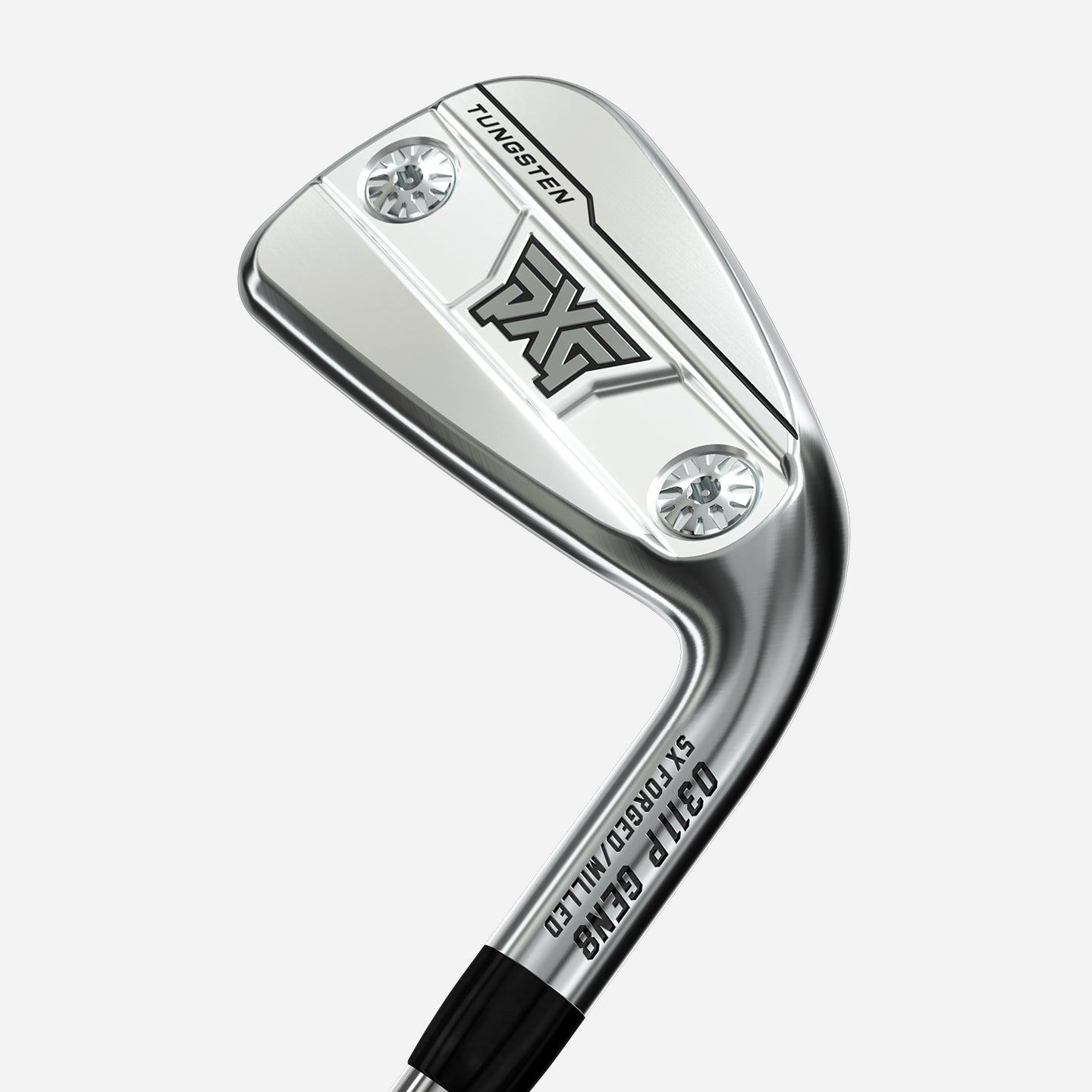
PXG iron fitting and spec discussion. Image credit: PXG
The easiest way to get better value is to arrive with a problem you want solved. Better dispersion with the driver, better gapping through the irons, more stable contact with wedges, or a putter that aims more clearly. Specific goals create more useful sessions.
Another value tip is to compare the fitted result with your current clubs honestly. If the gains are meaningful, great. If the gains are small, ask whether a partial change such as golf club reshafting or a grip change could close the gap more efficiently.
How indoor practice links to PXG fitting
Many golfers continue the fitting conversation through indoor practice. A reliable indoor golf simulator space can help you confirm gapping, track strike patterns and see whether the fitted club keeps behaving the way it did in the session.
That follow-up is helpful because fittings should not exist in isolation. The more you can connect the fitted club to real practice and real play, the stronger the decision becomes.
Signs of a good PXG fitting
A good session leaves you with clarity. You should know which head worked, why the shaft was chosen, what the loft or lie changes did and whether the result was strong enough to justify the purchase.
If you leave only knowing that the brand felt premium, you did not get enough from the fitting. The session should create understanding, not just excitement.
Explore the Full PXG Series
- PXG UK: Complete Guide to Clubs, Fitting and Who the Brand Suits
- Best PXG Drivers in the UK: Black Ops, Lightning and Which Head Fits You
- PXG Irons Explained: GEN8, Black Ops and How to Choose the Right Set
- PXG Fairway Woods and Hybrids: Which Models Make Sense for Your Bag?
- PXG Wedges Explained: Loft Gapping, Bounce and Who They Suit
- PXG Putters Explained: Blade, Mallet and Zero Torque Options
- Are PXG Clubs Worth the Money? Premium Pricing Explained
- PXG Fitting in the UK: What to Expect and How to Get Better Value
- Are PXG Clubs Good for Indoor Golf and Simulator Practice?
If you are fitting for a full set, ask for a clear take-home summary. Knowing the recommended lofts, lies, shaft model, weight and grip size makes later comparison much easier and stops the session fading into a vague memory of what felt good on the day.
Conclusion
PXG fitting in the UK can be very useful when it is treated as a decision-making process rather than a showroom experience.
Arrive prepared, ask clear questions and judge the session by the quality of the explanation as well as the quality of the club. That is how you get better value from premium fitting.


