

PXG drivers attract attention because they look different, sit in a premium price band and are marketed around speed, adjustability and fit. For UK golfers, the real buying question is simpler: which PXG driver head actually helps you hit better tee shots?
That answer depends on launch, spin, strike pattern and how much help you need on off-centre strikes. The best head is not always the newest or the one with the strongest marketing line. It is the one that gives you the most playable ball flight with the fewest ugly misses.
Comparing premium clubs is easier when your practice space and data are reliable. Explore Outtabounds guides on indoor golf, simulator planning and launch data.
Explore Indoor Golf Simulators
PXG driver range for UK golfers. Image credit: PXG
The main PXG driver conversation
At the moment, most PXG driver conversations centre on heads that balance speed and forgiveness in different ways. Some players want a more stable all-round option. Others want a lower-spinning shape that keeps launch down and gives stronger players more control over curvature.
That is why you should start with pattern rather than brand loyalty. If your miss is high spin and a wipe to the right, the best PXG head for you may be very different from the one that suits a player who launches it too low and struggles to keep the ball in the air.
| Need from the driver | What to look for in a PXG head | Typical golfer profile |
|---|---|---|
| Maximum stability | Larger footprint, more back-weighted forgiveness | Golfer who wants help across the face and less punishment on misses |
| Lower spin control | More neutral or forward-biased setup | Stronger ball striker who already creates plenty of speed |
| Easier launch | Loft and shaft build that help the ball climb properly | Golfer who loses carry through low launch or weak strike |
Black Ops and Lightning in practical terms
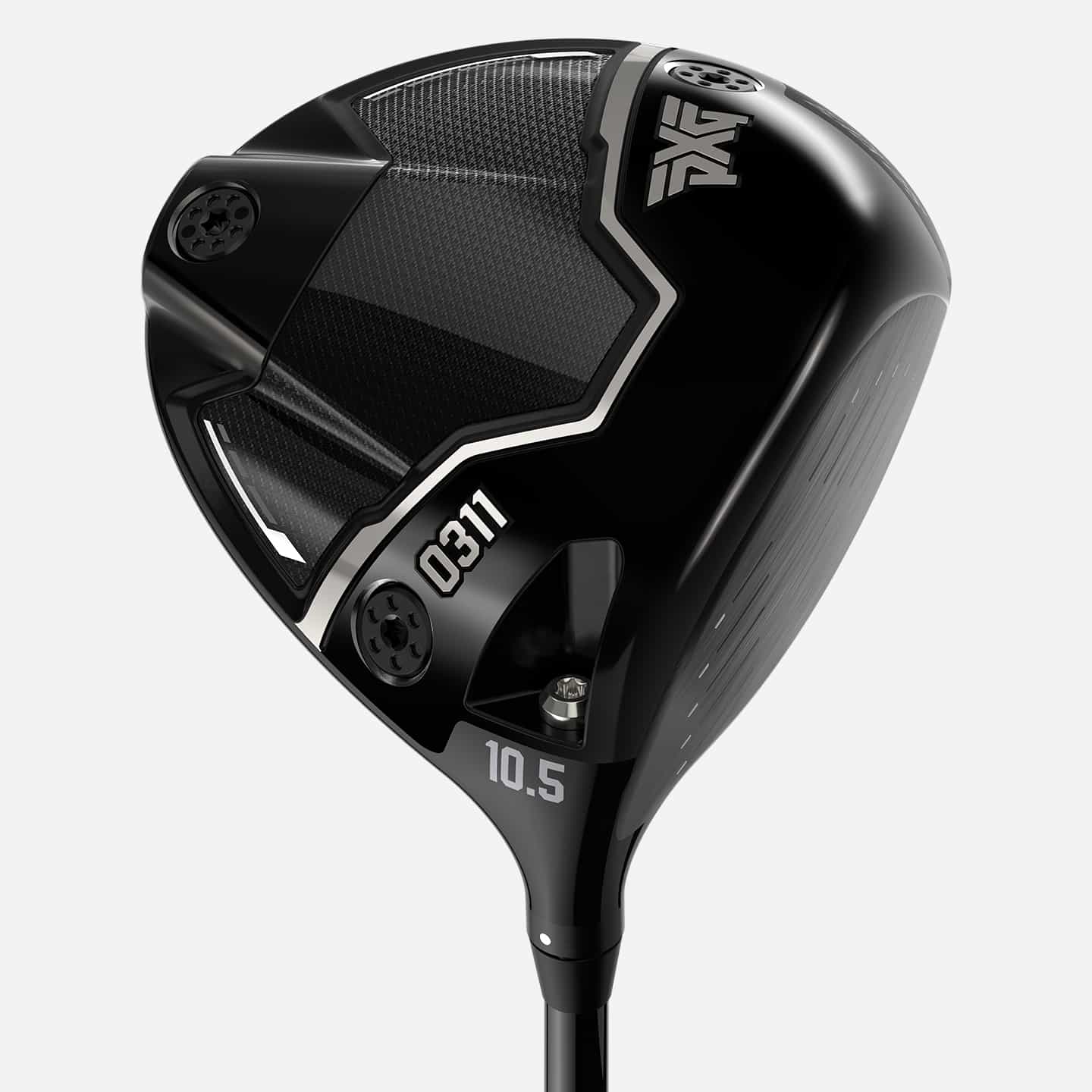
PXG Black Ops driver head close-up. Image credit: PXG
PXG driver families tend to split between all-round playable heads and options that lean more clearly toward specific launch windows. In practical terms, a head like Black Ops fits golfers who want premium ball speed with a wide playing window, while the newer Lightning conversation appeals to golfers chasing speed and forgiveness with a modern high-energy look.
That still does not remove the need to test. Two heads can look close on paper and behave very differently in your hands once you layer in loft, sleeve setting and shaft profile. A driver that looks brilliant in a product description can fall apart if the face delivery does not match the build.
Do not buy a PXG driver head without thinking about the shaft
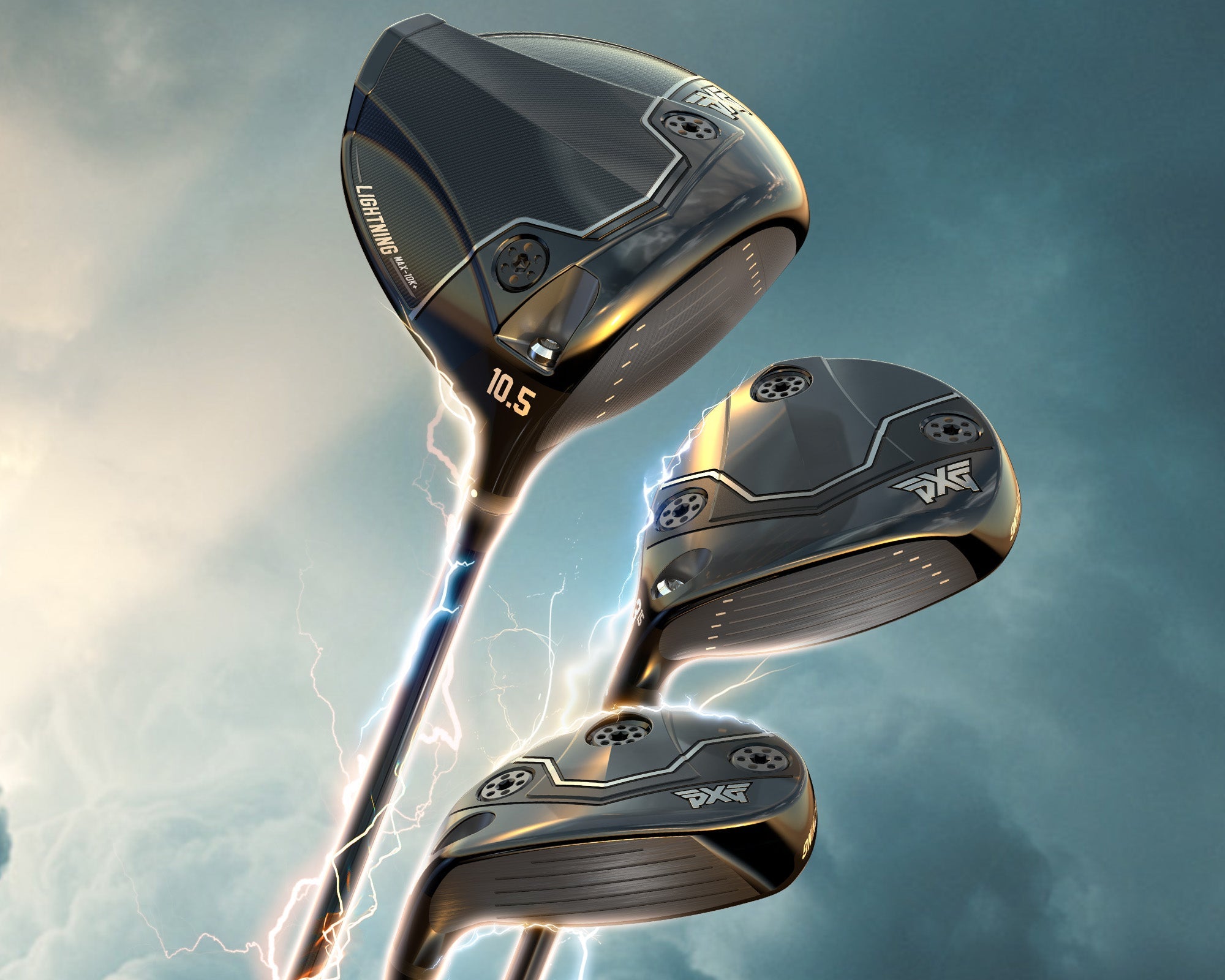
PXG Lightning woods collection. Image credit: PXG
Driver buying is often framed as a head choice, but the shaft can shape the result just as much. Tempo, release pattern and preferred feel all influence what works. That is why premium driver research quickly overlaps with golf shafts.
The right shaft can help you control strike location, face delivery and launch window. The wrong one can make a good head feel harsh, vague or overly lively. If you are spending PXG money, you should expect the shaft choice to be treated seriously.
Grip choice should not be ignored either. A poor size can make the club feel unstable or encourage too much tension, so it is worth considering golf grips as part of the full build rather than a late-stage detail.
How indoor testing helps with PXG drivers

PXG fitting bay and driver testing. Image credit: PXG
A PXG driver is a perfect example of why indoor fitting can be useful. In a good indoor golf simulator or fitting bay, you can compare launch, spin, peak height, carry and left-to-right pattern without the weather distorting the picture.
That is where launch monitors earn their place. Instead of falling for one long shot, you can look at averages and, just as importantly, your poor strikes. Many driver fittings are won by the head that makes your bad swing less damaging, not by the head that produces one perfect bullet.
When a new PXG driver is worth it
A new PXG driver can be worth the money if your current tee club is clearly the weak point in the bag. Poor fit, weak strike location, unreliable spin or a shape you no longer trust can all justify a change.
It is less sensible if you are mainly bored with your driver and hoping new branding will fix delivery issues. The driver should solve a performance problem or unlock a clearer fit, not simply give you a new toy.
If your current head is still structurally good, one practical comparison is whether a shaft change or golf club reshafting route could close the gap for less. Sometimes the improvement comes from the build rather than the badge.
Explore the Full PXG Series
- PXG UK: Complete Guide to Clubs, Fitting and Who the Brand Suits
- Best PXG Drivers in the UK: Black Ops, Lightning and Which Head Fits You
- PXG Irons Explained: GEN8, Black Ops and How to Choose the Right Set
- PXG Fairway Woods and Hybrids: Which Models Make Sense for Your Bag?
- PXG Wedges Explained: Loft Gapping, Bounce and Who They Suit
- PXG Putters Explained: Blade, Mallet and Zero Torque Options
- Are PXG Clubs Worth the Money? Premium Pricing Explained
- PXG Fitting in the UK: What to Expect and How to Get Better Value
- Are PXG Clubs Good for Indoor Golf and Simulator Practice?
Conclusion
The best PXG driver in the UK is the one that gives you a playable launch window, stable strike pattern and a tee shot you are willing to trust under pressure.
Start with your miss, test the head and shaft together, and judge the result on averages rather than excitement. That approach gives you a better chance of finding the right PXG driver rather than the loudest one.


