

PXG clubs can work very well indoors, but not for the shallow reason many golfers first assume. The benefit is not that PXG is somehow designed only for simulator bays. The benefit is that PXG clubs are often bought through a fitting-led, specification-heavy process, and indoor environments are excellent for testing those details properly.
When you combine a good fitting bay with reliable data, PXG becomes easier to judge on real ball flight, strike pattern and gapping rather than image. That is especially helpful for a premium brand where every buying mistake is more expensive.
Comparing premium clubs is easier when your practice space and data are reliable. Explore Outtabounds guides on indoor golf, simulator planning and launch data.
Explore Indoor Golf Simulators
PXG clubs for indoor golf and simulator practice. Image credit: PXG
Why PXG and indoor practice often pair well
PXG buying decisions usually depend on details such as launch window, shaft fit, head stability and feel. Indoor practice makes those differences easier to isolate because you can compare clubs in a consistent setting.
In a good indoor golf simulator, you can test without wind, uneven turf or changing weather disrupting the picture. That helps golfers see whether the club is really improving start line, strike and carry.

PXG club fitting in an indoor environment. Image credit: PXG
Which PXG categories show the clearest indoor benefits
Drivers and irons are often the easiest categories to judge indoors because launch, spin and gapping differences appear quickly. A driver fitting can show whether a head is controlling your bad swings better. Iron testing can show whether a more forgiving head is helping enough to justify the change.
Wedges are still useful indoors for loft structure and full-swing carry windows, although real turf feedback remains important for sole interaction. Putters can also benefit from controlled indoor testing, especially when comparing conventional heads with zero torque designs.
| Category | What indoor testing reveals well | What still needs real-world confirmation |
|---|---|---|
| Driver | Launch, spin, carry, dispersion | How confidence holds up on the course |
| Irons | Carry gaps, strike quality, flight control | Turf interaction and visual comfort under pressure |
| Wedges | Distance structure and contact pattern | Bounce and sole behaviour on real turf and sand |
| Putters | Start line, strike consistency and pace tendencies | Green-reading and pace on variable surfaces |
Data is only useful if the setup is good
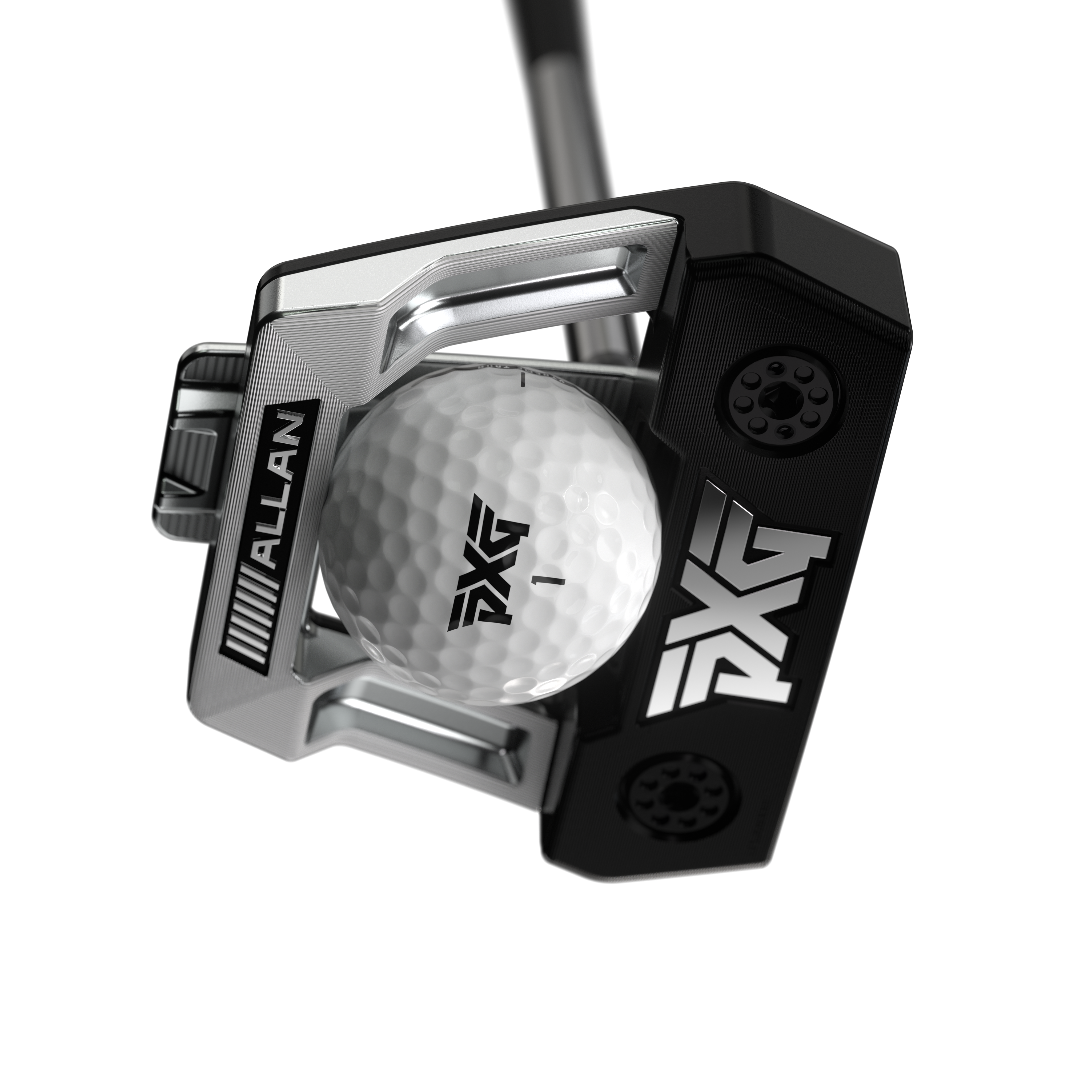
PXG premium club design and indoor testing. Image credit: PXG
Indoor testing only helps when the room is trustworthy. Reliable launch monitors, enough space to swing freely and sensible software setup all influence the quality of the answer.
If the bay is cramped or the tracking is unreliable, you can end up blaming or praising a club for the wrong reasons. That is why equipment research and room planning often belong in the same conversation.
Build details show up quickly indoors
Indoor sessions are especially good for exposing build issues. A poor shaft fit can show up in strike location and face control almost immediately, which is why golf shafts deserve proper attention in a PXG discussion.
The same goes for golf grips. A grip that is too small or too large can change hand tension and face delivery, and indoors you often feel that difference more clearly because the testing is more controlled.
When PXG is a strong indoor-practice choice
PXG is a strong indoor-practice choice when you want to use the room for equipment learning as well as ball-striking practice. Golfers who enjoy comparing settings, seeing their numbers and refining the build often get a lot from the combination of PXG and structured indoor work.
It is less compelling if the room is only being used for casual entertainment and the clubs are being bought on brand image alone. The better the practice structure, the more useful PXG tends to become.
How to judge the result
Judge PXG indoors on averages, not highlights. Look for tighter dispersion, more reliable gapping, better strike location and more repeatable start lines. If those improve clearly, the club is earning its place.
Then confirm the change in real play. Indoor data is excellent for decision support, but course performance is still the final judge.
Explore the Full PXG Series
- PXG UK: Complete Guide to Clubs, Fitting and Who the Brand Suits
- Best PXG Drivers in the UK: Black Ops, Lightning and Which Head Fits You
- PXG Irons Explained: GEN8, Black Ops and How to Choose the Right Set
- PXG Fairway Woods and Hybrids: Which Models Make Sense for Your Bag?
- PXG Wedges Explained: Loft Gapping, Bounce and Who They Suit
- PXG Putters Explained: Blade, Mallet and Zero Torque Options
- Are PXG Clubs Worth the Money? Premium Pricing Explained
- PXG Fitting in the UK: What to Expect and How to Get Better Value
- Are PXG Clubs Good for Indoor Golf and Simulator Practice?
Conclusion
PXG clubs can be very good for indoor golf and simulator practice because the brand’s fitting-led philosophy matches the strengths of a controlled testing environment.
Use the room to compare honestly, understand the build and make better buying decisions. If you do that, indoor practice becomes one of the smartest ways to judge whether PXG is right for you.


