

Fairway woods and hybrids are often where bag setup becomes messy. Golfers buy a 3-wood because they think they should have one, then rarely hit it well. Or they carry a hybrid that overlaps with both the fairway and the longest iron.
PXG gives golfers several premium options in this part of the bag, but the correct choice depends less on the model name and more on launch needs, strike pattern and what job the club is meant to do.
Comparing premium clubs is easier when your practice space and data are reliable. Explore Outtabounds guides on indoor golf, simulator planning and launch data.
Explore Indoor Golf Simulators
PXG fairway woods and hybrids setup. Image credit: PXG
Start with the job, not the category
Before you compare heads, decide what you need from the slot. Do you want a club for tee shots on tight holes, a second-shot club into par fives, a rescue option from light rough or a safer replacement for a long iron?
Those jobs do not always belong to the same club type. A fairway wood can be brilliant from a tee peg but awkward from the deck for some golfers. A hybrid can launch more easily from imperfect lies and still be less intimidating for players who dislike the look of a larger wood.
| Club type | Best used for | Common mistake |
|---|---|---|
| Fairway wood | Tee shots, high-launch approaches, covering long yardages | Buying too little loft and turning it into a mini-driver you cannot launch |
| Hybrid | Recovery shots, long approaches, replacing difficult long irons | Choosing one that overlaps badly with both fairway wood and iron yardages |
| Driving iron | Lower flight, windy conditions, tee-shot control | Assuming it is easier than a hybrid when it often demands better strike quality |
How PXG fairway woods fit the bag

PXG Lightning fairway wood. Image credit: PXG
PXG fairway woods suit golfers who want a premium top-end build and a more stable long-game setup than their current bag provides. The best candidates are players who can strike a fairway wood with reasonable consistency and want high launch with playable distance.
The bigger question is loft. Many club golfers chase a strong-lofted 3-wood when a higher-lofted fairway would launch better, land softer and be easier to use from the turf. The label on the sole is less important than the flight you can actually create.
Where PXG hybrids often make more sense
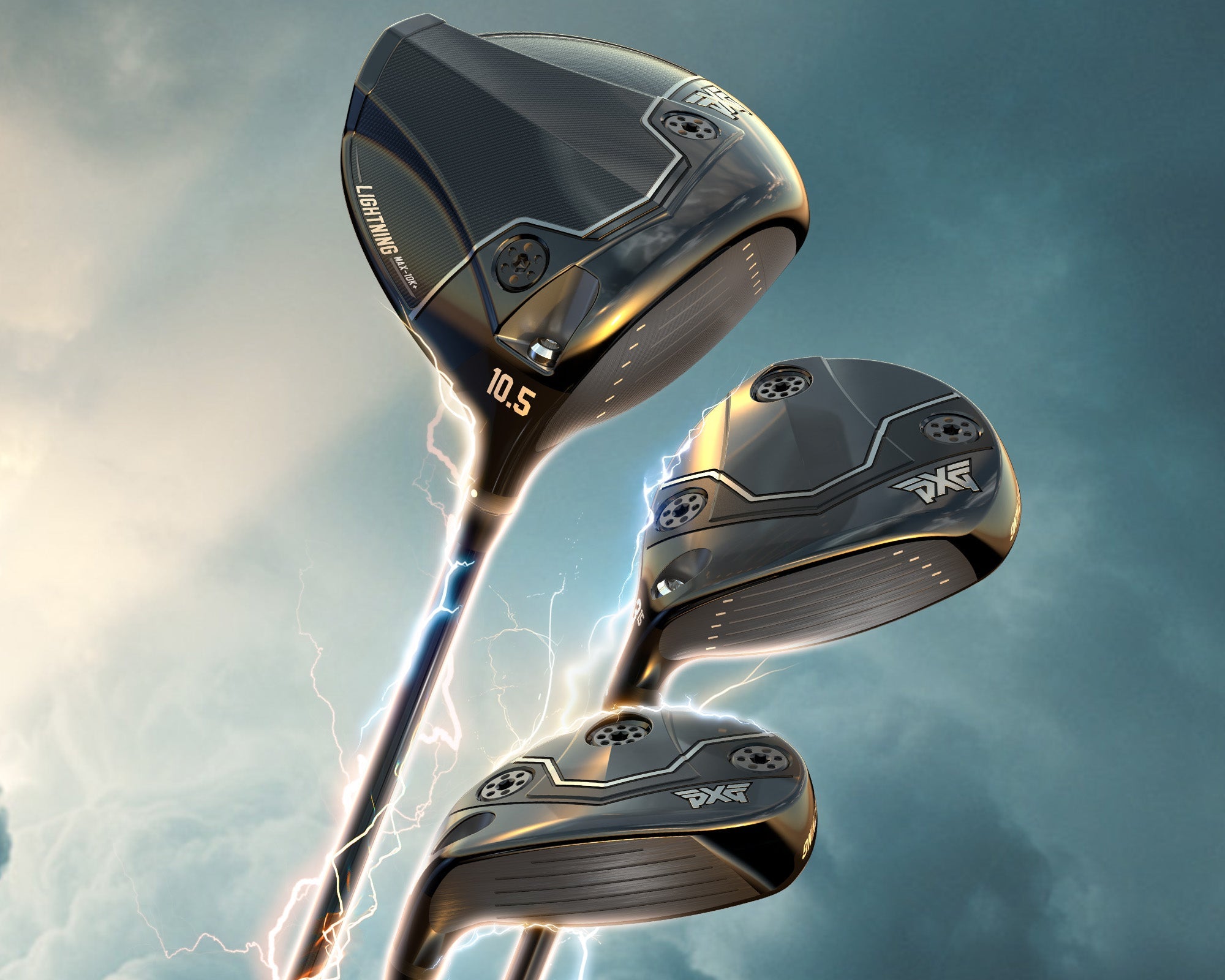
PXG long-game clubs and hybrid conversation. Image credit: PXG
PXG hybrids often suit golfers who want help. That is not a criticism. Help is useful. A good hybrid can bridge the gap between fairway woods and irons while making poor lies less intimidating and imperfect contact less destructive.
If you struggle with long irons, a hybrid is usually the more honest answer. It can produce launch and carry that many golfers simply cannot create with a driving iron or low-lofted fairway.
Why gapping is more important than branding here
This end of the bag should be built through yardage spacing, not by collecting categories. That is why indoor gapping sessions with launch monitors are so useful.
You want each club to occupy its own distance window and shot purpose. If a PXG 5-wood, hybrid and longest iron all carry within a few yards of each other, the set is not helping you.
Testing in a reliable indoor golf simulator can reveal whether a club actually fills a gap or only looks good in isolation. That is often the fastest way to stop buying long-game clubs that create confusion rather than structure.
Do not ignore the build
Top-end clubs are heavily influenced by build details. Weight, shaft profile and grip feel all influence how confident the club feels during transition and through impact, so golf shafts and golf grips should be part of the conversation.
A fairway or hybrid that feels a touch too heavy, too loose or too upright can quickly become the club you stop pulling. Premium heads do not fix a build that does not suit you.
Which PXG route makes sense for your bag?
Choose a PXG fairway wood if you want long carry, a strong option from the tee and enough strike quality to use it properly from the turf. Choose a PXG hybrid if you want easier launch, better playability from mixed lies and a more forgiving bridge into your irons.
Choose both only if the yardage structure supports it. The whole point of this end of the bag is to simplify decisions on the course, not to add more clubs that feel nice in testing and awkward in real play.
Explore the Full PXG Series
- PXG UK: Complete Guide to Clubs, Fitting and Who the Brand Suits
- Best PXG Drivers in the UK: Black Ops, Lightning and Which Head Fits You
- PXG Irons Explained: GEN8, Black Ops and How to Choose the Right Set
- PXG Fairway Woods and Hybrids: Which Models Make Sense for Your Bag?
- PXG Wedges Explained: Loft Gapping, Bounce and Who They Suit
- PXG Putters Explained: Blade, Mallet and Zero Torque Options
- Are PXG Clubs Worth the Money? Premium Pricing Explained
- PXG Fitting in the UK: What to Expect and How to Get Better Value
- Are PXG Clubs Good for Indoor Golf and Simulator Practice?
Conclusion
PXG fairway woods and hybrids can be excellent, but the right decision is always a bag-building decision first.
Think in terms of jobs, launch windows and gapping, then fit the build around those goals. That approach gives you a long-game setup that earns its place.


