

Direct-to-consumer golf has gone from niche curiosity to a serious buying route for UK golfers. Instead of defaulting to the biggest retail brands, more players are now comparing online-first companies that promise cleaner design, tighter product ranges and better value. Caley sits firmly in that conversation.
The challenge is that 'value' can mean different things. For some golfers it means the lowest price. For others it means the best blend of looks, fit options, confidence and long-term satisfaction. This guide compares Caley with Takomo and other direct-to-consumer routes in the way that most golfers actually make the decision.
Explore indoor golf, launch monitor feedback and equipment advice from Outtabounds so you can compare clubs and make a smarter buying decision.
Explore Indoor Golf
Caley Golf versus direct-to-consumer brands hero image. Image credit: Caley Golf
Why direct-to-consumer brands are so appealing
The appeal is clear. Golfers want quality club design without paying for every layer of traditional retail overhead. A direct route can make modern irons, wedges and custom builds feel more attainable, especially when mainstream prices keep rising and product ranges keep growing more complex.
These brands also tend to present a more focused story. Instead of launching huge families every year, they often work around a smaller number of clearly defined product types. That can be a real advantage for golfers who want a shorter, smarter buying path.
Where Caley usually stands out
Caley often stands out on simplicity and immediate value. The range is compact, the iron story is easy to understand and the wider product ladder into wedges and utility clubs makes the brand feel coherent. For a golfer who wants to get to a sensible shortlist quickly, that is a real plus.
Caley also appeals to buyers who want a clean visual identity in the bag. The brand's design language tends to feel modern and uncluttered, which matters more than some golfers admit. Confidence at address is part of value.
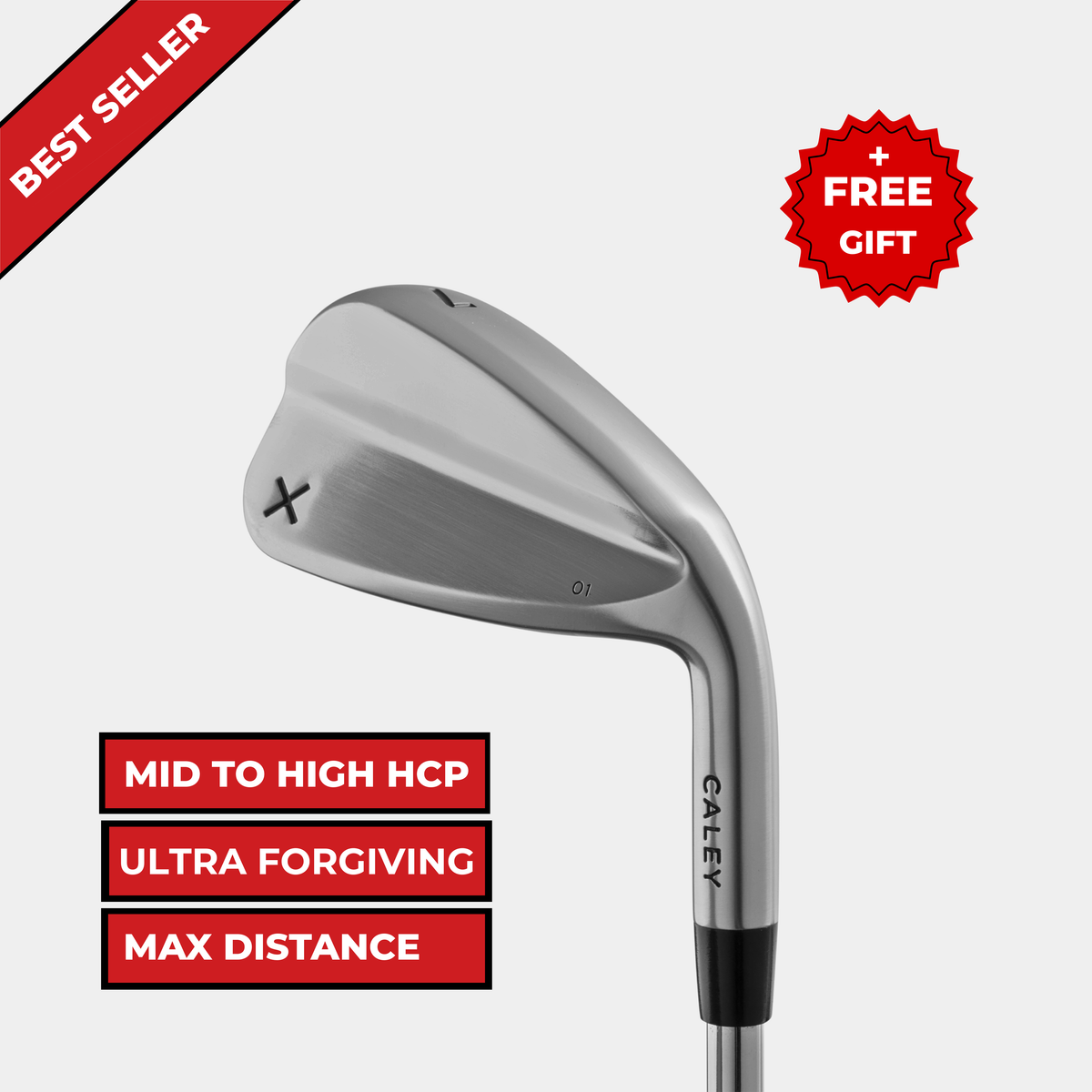
Caley iron set direct-to-consumer comparison image. Image credit: Caley Golf
Where Takomo changes the conversation
Takomo Golf is often the first comparison because it has become so prominent in the iron category. Takomo buyers are usually looking for forged feel, compact shaping and a highly focused iron-first proposition. That means the comparison with Caley is not always one-to-one. The better question is which buying logic suits your game better.
If you want a very refined iron conversation and are comfortable narrowing the choice around a more specific players profile, Takomo can be extremely appealing. If you want a simpler bridge between help, speed and a broader bag build, Caley may feel more accessible.
That is why the comparison should start with player needs rather than brand popularity. A golfer who wants easier launch and more visible forgiveness is not solving the same problem as a golfer chasing a more traditional forged feel.
How Caley compares with more fitting-led equipment stories
Some golfers are not really choosing between Caley and another online store. They are choosing between a direct purchase and a more fitting-led journey. That is where pages like Avoda Golf become useful comparison material. The more a golfer values detailed build logic, tighter dispersion and a deeper fitting process, the more the conversation shifts away from simple online value.
Caley can still win that comparison for the right buyer, especially if the golfer already knows what they need. But it is worth being honest about whether the real need is a club purchase or a better diagnosis of your equipment.
| Buying priority | Caley often suits | Another route may suit better |
|---|---|---|
| Simple shortlist | Golfers wanting a clear, compact range | Golfers wanting many specialist head variations |
| Value and accessibility | Golfers prioritising sensible overall spend | Golfers willing to pay more for a deeper fitting journey |
| Bag coherence | Golfers wanting irons, wedges and utility options in one ecosystem | Golfers mixing products brand by brand |
| High-detail fit process | Golfers with known specs already | Golfers who still need heavy guidance on fit variables |
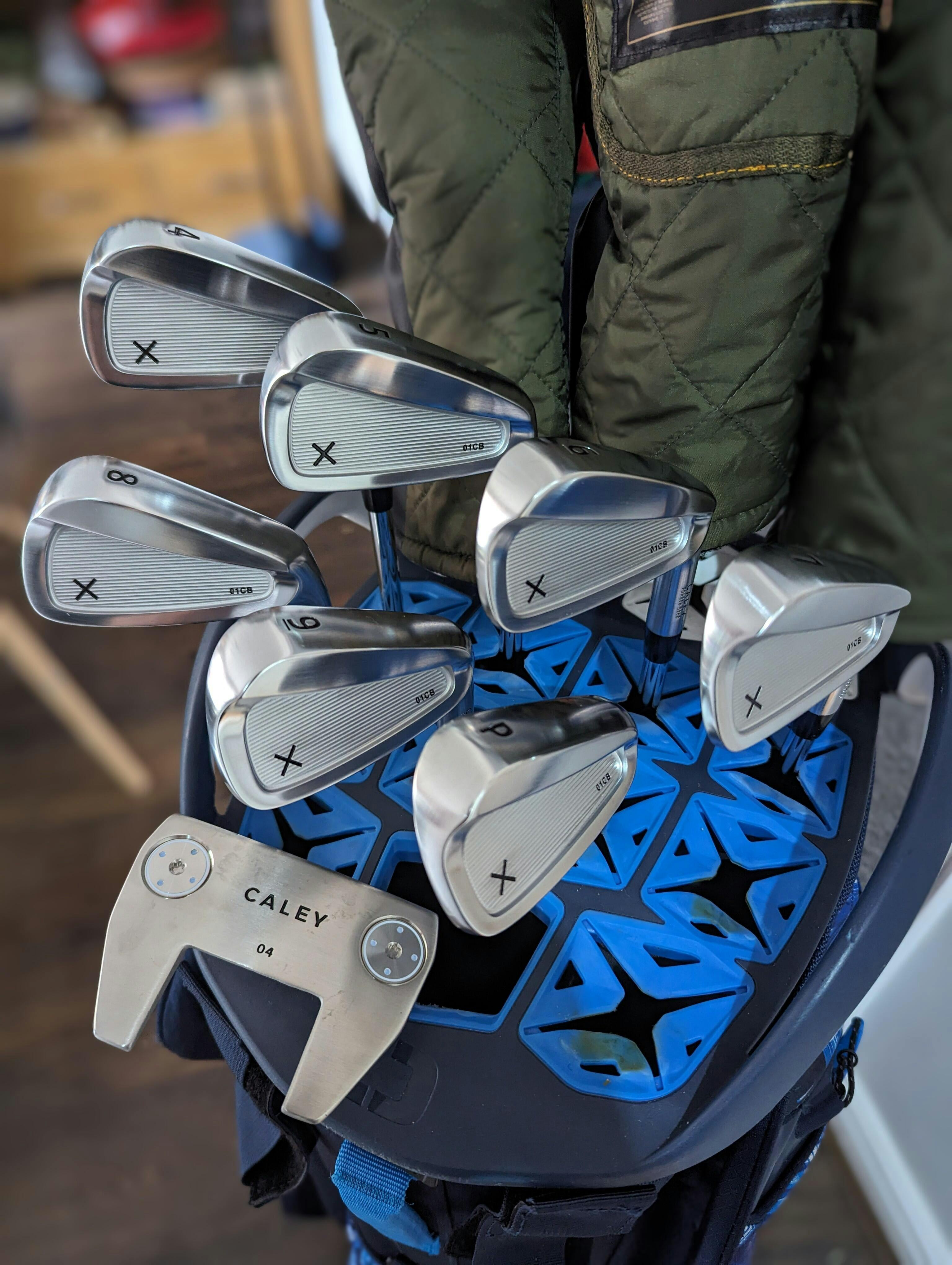
Caley Golf clubs in a bag. Image credit: Caley Golf
What value really means in a direct-to-consumer comparison
The best-value option is not always the cheapest club. It is the club that solves the problem with the least wasted spend. If Caley gives you the right category, sensible build options and a bag plan that finally makes sense, it may be better value than a cheaper purchase that leaves you replacing clubs again next season.
Likewise, a more expensive alternative can still be better value if the fitting depth prevents a bad decision. That is why direct-to-consumer comparison has to include confidence, not just price.
Indoor validation helps here. Using technology and a structured indoor golf simulators environment can show whether your current clubs are actually the issue and what sort of replacement would improve the picture.
Questions to ask before you choose Caley or another brand
Do you know whether you need forgiveness, speed support or more control? Do you know your preferred shaft weight? Are your current misses caused by the head, the spec or your delivery? Do you want a broad fitting journey or a simple online purchase with fewer steps?
Those questions quickly separate golfers who are ready to buy from golfers who are still collecting the information needed to buy well. The answer may still be Caley, but the process becomes sharper.
If part of the attraction is building a home testing environment around future equipment choices, pages like how to build a golf simulator in the UK add useful context because they connect club buying with the environment used to validate it.
So when does Caley make the most sense?
Caley makes the most sense when you want a sensible, focused route into modern golf equipment and already have enough self-knowledge to choose the right category. It is strong for golfers who like clean design, appreciate a coherent bag story and do not want to pay premium retail pricing simply for brand familiarity.
It is less compelling if you still need a full diagnostic fitting process or if your preferences are so specific that a narrower online route starts to feel restrictive.
Explore the Full Caley Golf Series
- Caley Golf UK: Complete Guide to Irons, Wedges, Putters and Buying Direct
- Caley 01 vs 01T vs 01CB Irons: Which Model Suits Your Game?
- Are Caley Golf Irons Worth It for UK Golfers?
- Caley Golf Wedges Explained: Gapping, Loft Options and Who They Suit
- Caley 01X Utility Iron Guide: Who Should Use One and When?
- Caley Golf Putters Explained: Feel, Shape and Buying Considerations
- Caley Golf Custom Fitting and Custom Orders: What UK Golfers Should Know
- How to Build a Smart Caley Golf Set: Irons, Wedges, Utility and Putter
- Caley Golf vs Takomo and Other Direct-to-Consumer Brands: How to Compare Value
Final thoughts
Caley versus Takomo and other direct-to-consumer brands is not a popularity contest. It is a fit question. The best brand is the one whose product logic, buying route and level of support line up with what your golf game actually needs.
If you want simplicity, clear value and a broad-enough range to build a practical bag, Caley is a strong contender. If you need deeper fitting guidance or a different style of iron story, another route may suit you better.


