

The question 'Are Caley Golf irons worth it?' sounds simple, but it depends on how you buy clubs and what you value most. Some golfers want the reassurance of a large fitting cart, a recognised retail brand and a chance to hit multiple heads side by side. Others care more about getting strong performance, cleaner design and sensible value without paying full retail shop pricing.
Caley sits right in that tension point. For many UK golfers, the brand looks appealing because it offers a direct-to-consumer route into modern iron design without the usual price inflation. The challenge is working out whether the savings and simplified range outweigh the reduced opportunity to test before you buy.
Explore indoor golf, launch monitor feedback and equipment advice from Outtabounds so you can compare clubs and make a smarter buying decision.
Explore Indoor Golf
Caley Golf irons value guide hero image. Image credit: Caley Golf
Why Caley appeals in the first place
The appeal is not mysterious. Caley offers a focused range, straightforward styling and a route to modern performance that feels more accessible than many mainstream iron launches. A golfer can usually understand the broad range logic quite quickly: there is a more forgiving model, a players-distance option and a more compact cavity-back option.
That clarity helps. When buyers feel overwhelmed by large product families and endless spec terminology, a tighter range becomes a genuine advantage. It shortens the buying cycle and makes it easier to match the product to the golfer rather than getting stuck comparing tiny differences across seven nearly identical heads.
For UK golfers in particular, value conversations have become sharper. More players are happy to buy online if the product category is clear enough, the build quality looks right and the savings are meaningful enough to justify the trade-off.
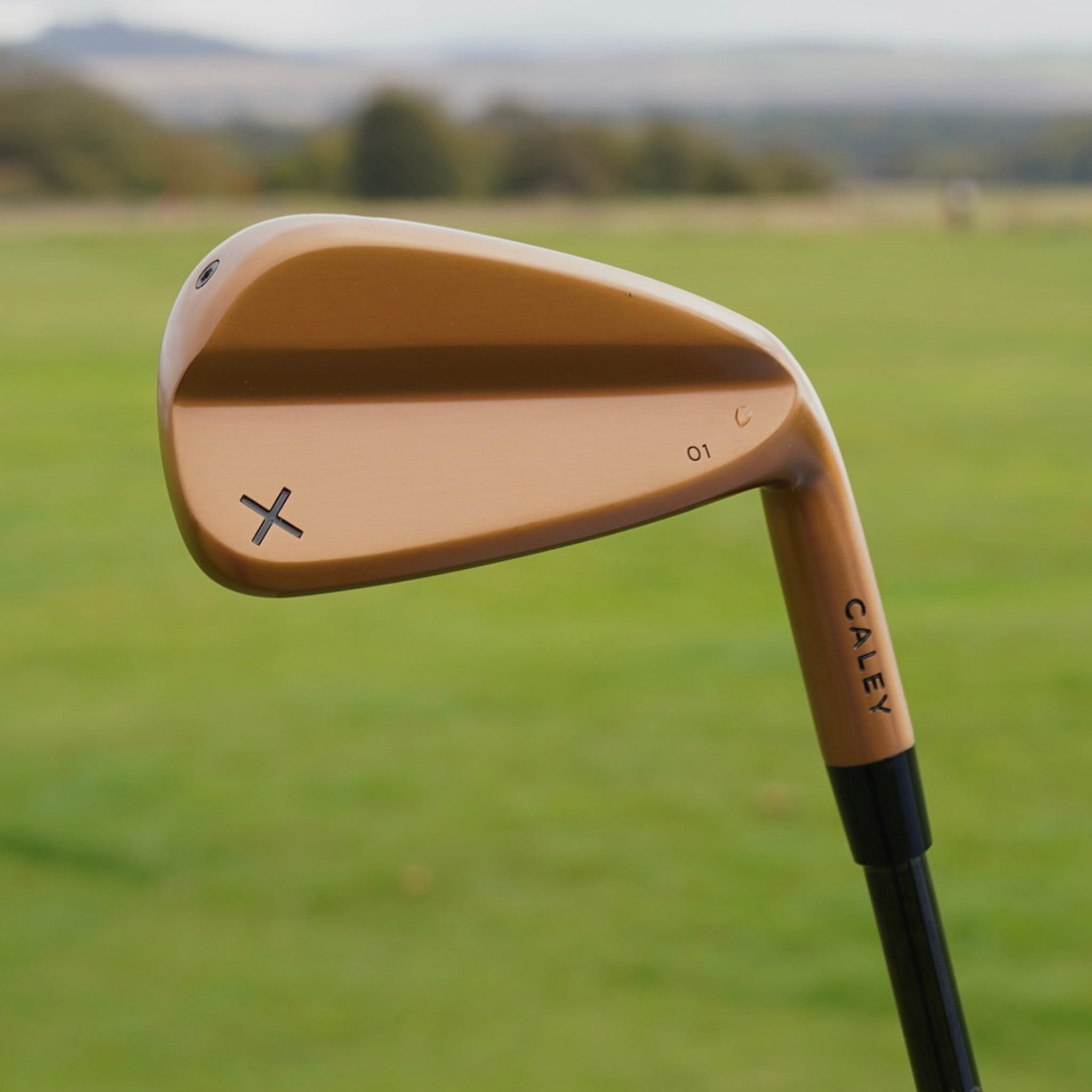
Caley copper iron finish product image. Image credit: Caley Golf
Where Caley irons can offer genuine value
Caley irons tend to make the strongest value argument for golfers who already understand their game reasonably well. If you know whether you prefer help or control, have a decent idea of shaft weight, and do not need a full afternoon comparing five brands, the direct route becomes far more attractive.
They can also represent strong value for golfers coming out of older equipment. Many players stay in a worn or mismatched set for too long, not because they love the clubs, but because current retail pricing feels hard to justify. A brand like Caley can reopen the conversation and make a full-set upgrade feel realistic again.
Another part of the value case is range simplicity. There is commercial value in not wasting time. A shortlist of sensible models can be worth a lot to golfers who want better equipment without turning the process into a hobby of its own.
The trade-offs you should be honest about
Value is never free. The biggest trade-off is testing access. If you buy direct, you are taking on more responsibility for the decision. That means understanding your current ball flight, your miss pattern and the type of head you actually swing best, not just the one you admire online.
There is also less room for casual indecision. Buying clubs after ten swings in a bay is not always ideal, but it does help many golfers avoid obvious mistakes. With direct-to-consumer brands, the smartest buyers usually arrive with better information rather than more optimism.
You should also read the terms around different product categories carefully. Standard-stock irons and custom-built options are not the same kind of purchase, and neither are wedges, utility irons or putters. Good value only stays good if the product and the buying terms match the level of certainty you actually have.
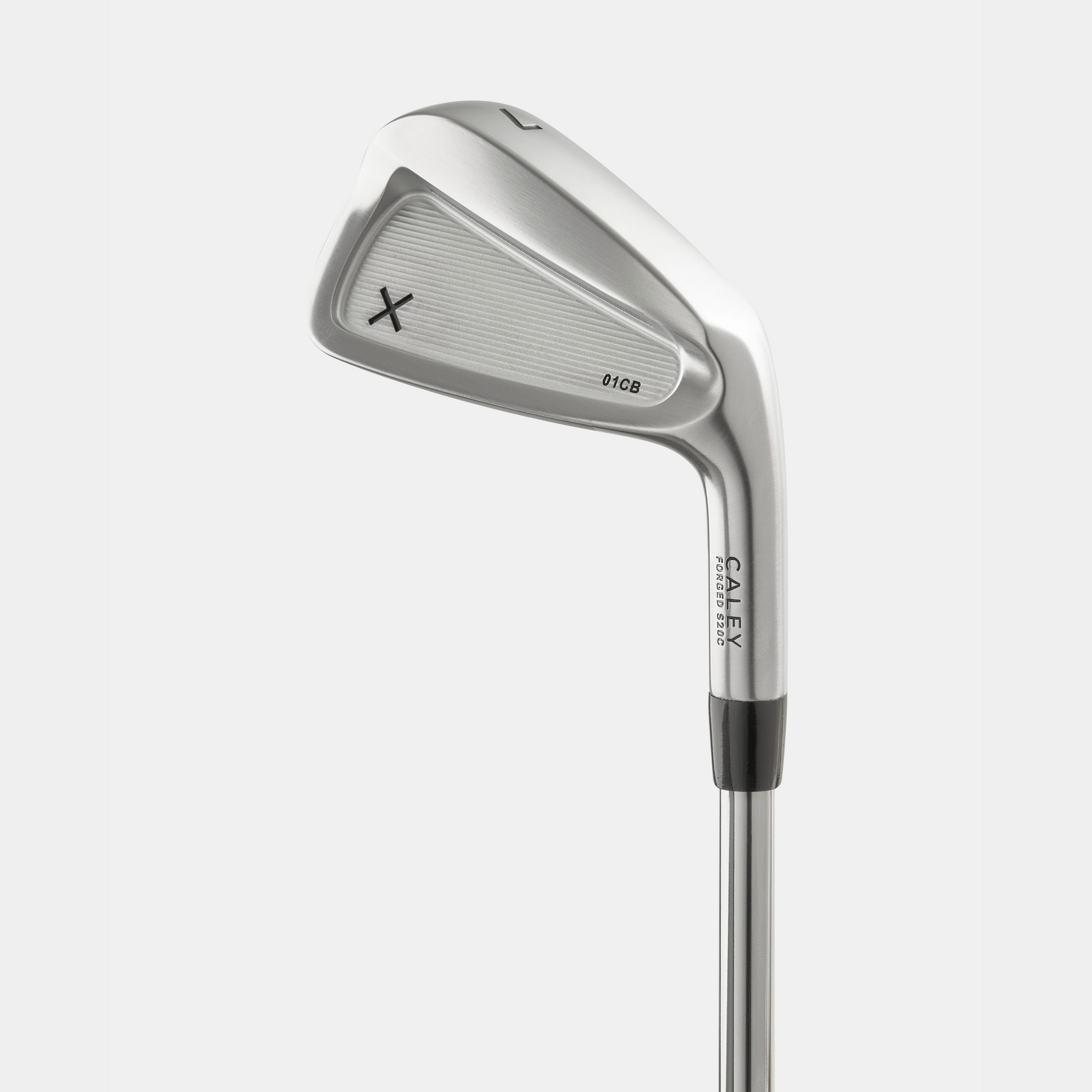
Caley forged cavity back iron image. Image credit: Caley Golf
Who is most likely to say Caley was worth it?
Golfers who tend to like Caley's proposition usually share a few traits. They know roughly what head category suits them. They do not need the badge value of a major retail brand. They care about performance, but they also care about keeping the whole purchase sensible. They are willing to use data, online fitting tools and prior equipment experience to guide the decision.
Improving golfers can also find value here if they stay realistic. A mid-handicap player who chooses the right model for current needs can end up with a far better outcome than a lower-handicap aspirational purchase that looks exciting but punishes normal strikes.
This is why a baseline session around golf fitting or a data-led practice environment can help so much. You do not always need access to the exact head. Sometimes you just need a reliable picture of what kind of head your swing actually needs.
Who should slow down before buying?
If you do not know your current carry gaps, launch pattern or strike tendency, slow down. If you have a long history of directional misses that could be linked to lie angle, slow down. If you are switching shaft weight dramatically without understanding why, slow down. The brand may still be right for you, but the buying sequence needs improvement first.
Golfers returning from injury, major swing changes or a big drop in speed should also be cautious about jumping straight to an online order. A head that suited you three years ago may not be the best answer now.
Even practical workshop services can change the equation. Something as simple as golf club regripping, a shaft replacement or a club repairs assessment can reveal that part of the problem lies in your current build rather than the head category itself.
How to judge value properly, not emotionally
Start with the clubs that currently cost you the most shots. Maybe that is a 5-iron you never trust, or a 7-iron that launches too flat, or a set that gives you inconsistent front-to-back numbers. Then compare what the new purchase is supposed to improve. Better peak height? Better strike retention? More confidence looking down? A cleaner long-iron transition?
From there, judge the cost against the likely gain. If the new set improves your normal strike window, gives you more playable long irons and removes the need for multiple guesswork purchases, the value story becomes much stronger. If you are mostly paying for novelty, the answer is weaker.
Indoor testing can sharpen this quickly. A session inside the world of indoor golf simulators or launch data gives you evidence instead of instinct, which is especially helpful when comparing Caley with other online-first options.
Caley versus other direct-to-consumer options
Caley is not alone in this category. That is good news for golfers, because it creates real comparison pressure. Brands such as {L('Takomo Golf', support_links['Takomo Golf'])} and more fitting-led conversations such as {L('Avoda Golf', support_links['Avoda Golf'])} broaden the market and help golfers think more clearly about what sort of buying process they actually want.
Caley tends to feel strongest when you want a good-looking, performance-oriented club without the overhead of a large retail route. The more you value range simplicity and sensible value, the stronger the case becomes.
Explore the Full Caley Golf Series
- Caley Golf UK: Complete Guide to Irons, Wedges, Putters and Buying Direct
- Caley 01 vs 01T vs 01CB Irons: Which Model Suits Your Game?
- Are Caley Golf Irons Worth It for UK Golfers?
- Caley Golf Wedges Explained: Gapping, Loft Options and Who They Suit
- Caley 01X Utility Iron Guide: Who Should Use One and When?
- Caley Golf Putters Explained: Feel, Shape and Buying Considerations
- Caley Golf Custom Fitting and Custom Orders: What UK Golfers Should Know
- How to Build a Smart Caley Golf Set: Irons, Wedges, Utility and Putter
- Caley Golf vs Takomo and Other Direct-to-Consumer Brands: How to Compare Value
Final thoughts
Caley Golf irons can absolutely be worth it for UK golfers, but they make most sense when the buyer brings some self-knowledge to the table. The clubs look attractive because the value proposition is clear. The outcome is best when the golfer is equally clear about what their game needs.
If you want a shorter shortlist, modern performance and a cleaner price-to-performance story, Caley is a credible option. If you still need help figuring out your launch, strike and fit variables, get the data first and make the purchase second.


