

Caley Golf is best known for irons, but putters are still a valuable part of the conversation because they show how a brand thinks about feel, confidence and visual simplicity. If you are researching Caley putters, you are probably not looking for a huge family tree of shapes. You are looking for a clean answer on whether the current offering gives enough quality and confidence to justify a direct purchase.
That makes this category different from the iron discussion. Putters are intensely personal. Feel, shape, alignment and the way the head frames the ball often matter more than broad performance promises. A putter can be technically sound and still fail if it does not suit your eye.
Explore indoor golf, launch monitor feedback and equipment advice from Outtabounds so you can compare clubs and make a smarter buying decision.
Explore Indoor Golf
Caley Golf putter guide hero image. Image credit: Caley Golf
What kind of putter proposition Caley currently offers
The public Caley putter story appears more streamlined than the iron range, and that can actually be helpful. Instead of overwhelming golfers with endless neck, flange and alignment variations, the brand leans into a cleaner putter proposition built around traditional shape preferences and a straightforward buying decision.
For many golfers, that simplicity is welcome. A putter does not need to arrive with a twenty-model family to be appealing. It needs to sit well behind the ball, produce a feel you can repeat under pressure and give you enough visual confidence to commit to the line.

Caley putter front product image. Image credit: Caley Golf
Why blade-style putters still attract serious attention
Blade putters continue to appeal because they are clean, compact and easy for many golfers to aim. Players who prefer a traditional silhouette often feel they can see the face more clearly and relate the leading edge more naturally to the target line. That can be more important than any technical story attached to the head.
A blade also tends to offer a more direct sense of strike quality. Golfers who like feedback often see that as a benefit rather than a drawback. They want to know exactly where the contact came from and how the ball left the face.
That does not mean blades suit everyone. Golfers who rely heavily on alignment features or who prefer a larger, more stable footprint may still lean towards mallets. The key is visual trust. If the putter helps you start the ball where you intend, the rest of the design conversation becomes easier.
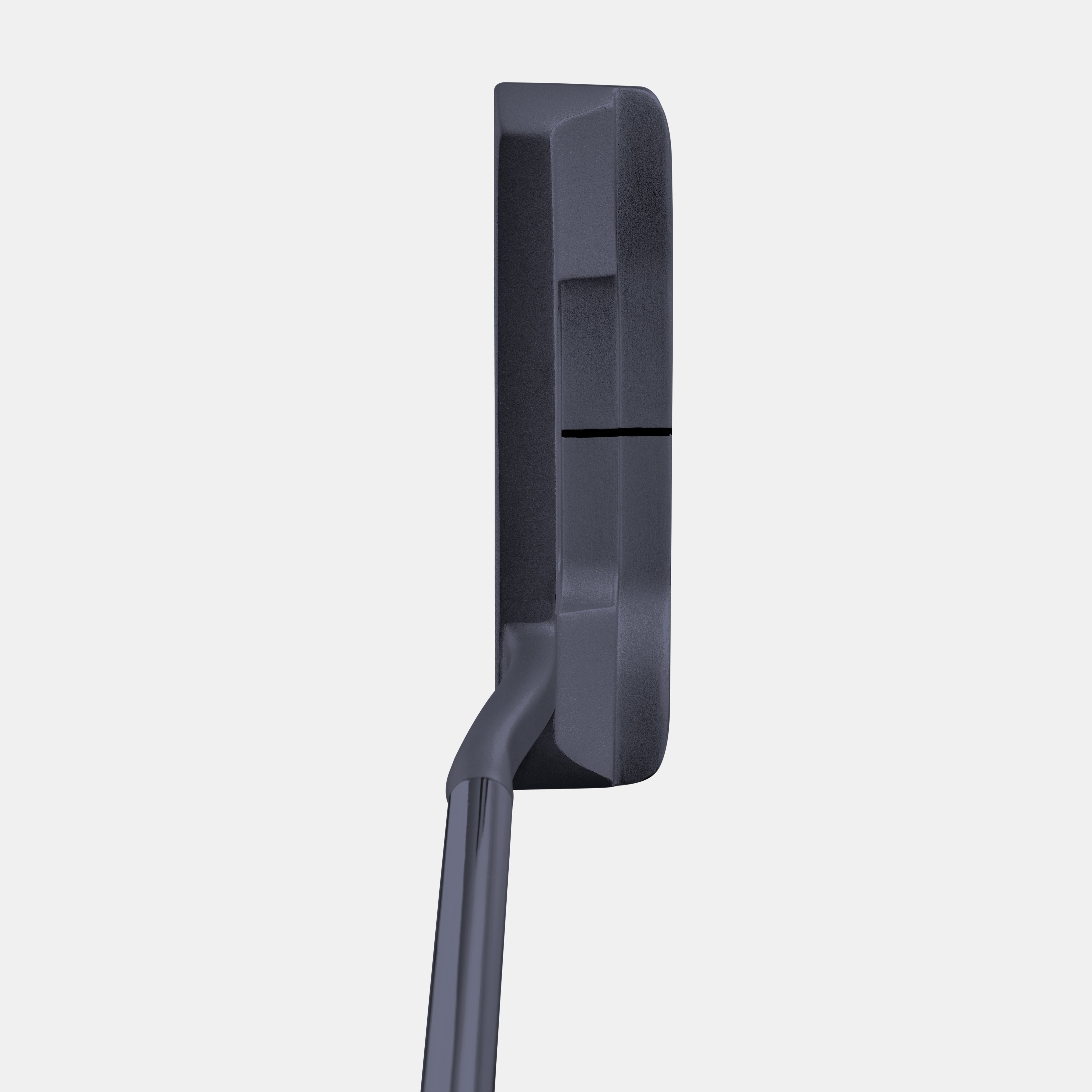
Caley putter side profile image. Image credit: Caley Golf
Feel is the real buying decision
With putters, golfers often talk about shape first and feel second, but the real decision usually goes the other way. A putter that looks good but feels vague can lose its appeal very quickly. Conversely, a putter that delivers a crisp, repeatable strike can earn trust even if the appearance takes a little getting used to.
Feel covers more than softness. It includes pace control on longer putts, strike feedback on short putts and the sound that accompanies contact. Golfers respond to those cues very quickly. If the club gives you enough information without feeling harsh, that is usually a positive sign.
This is one reason direct-to-consumer putter buying can be harder than iron buying. You are not just judging flight outcome. You are judging a sensory response that becomes more obvious every time you stand over a six-footer.
Who is most likely to enjoy a Caley putter
A golfer who likes traditional shapes, straightforward design and cleaner buying decisions is the most obvious match. Caley putters may also suit players who want the bag to feel visually coherent and who appreciate a value proposition that does not rely on premium collector branding.
They can be especially attractive to golfers who already know what neck style and toe flow they prefer. The more settled your putting preferences are, the easier it is to buy with confidence online.
If you are still working out whether you prefer a classic blade or a more engineered putter idea, related series such as Bettinardi and Edel Golf can be useful comparison reading because they frame very different putter philosophies.
How to test a putter properly before judging value
Testing a putter is not about holing everything for ten minutes. It is about start line, pace control and the consistency of your strike pattern. A good putter session quickly reveals whether the head helps you return the face squarely and whether the feel makes distance control intuitive.
That is where indoor environments built around technology and repeatable practice can help. You do not need a huge green to learn something useful. You need a structured test and honest attention to where putts start, how they roll and whether the head keeps giving you the same picture over the ball.
Many golfers also forget the importance of setup. Length, lie and grip style influence the result just as much as the head itself. A putter can feel wrong because the build is wrong, not because the design is wrong.
Buying direct versus buying a premium putter brand
The real comparison is not only about finish or badge value. It is about how much fitting nuance you need versus how much simplicity you want. Premium putter brands can offer more variety, more specialist fitting options and, in some cases, more resale interest. Caley's appeal is different. It is about straightforward design, accessible value and a cleaner decision tree.
That can be a very sensible trade if you already know your preferences. If you do not, make the process slower. Learn what type of head helps your start line, how much alignment assistance you prefer and what face feel allows you to control pace best.
Explore the Full Caley Golf Series
- Caley Golf UK: Complete Guide to Irons, Wedges, Putters and Buying Direct
- Caley 01 vs 01T vs 01CB Irons: Which Model Suits Your Game?
- Are Caley Golf Irons Worth It for UK Golfers?
- Caley Golf Wedges Explained: Gapping, Loft Options and Who They Suit
- Caley 01X Utility Iron Guide: Who Should Use One and When?
- Caley Golf Putters Explained: Feel, Shape and Buying Considerations
- Caley Golf Custom Fitting and Custom Orders: What UK Golfers Should Know
- How to Build a Smart Caley Golf Set: Irons, Wedges, Utility and Putter
- Caley Golf vs Takomo and Other Direct-to-Consumer Brands: How to Compare Value
Final thoughts
Caley Golf putters make the most sense for golfers who value simplicity, traditional shape cues and a sensible route into a cleaner-looking flat stick. The decision should revolve around feel, setup confidence and start-line performance, not just whether the head looks premium in a product photo.
If you already like blade-style putters and want a direct, no-nonsense buying route, Caley deserves consideration. If you are still exploring what kind of putter your stroke really needs, gather more testing evidence before you buy.


