

Caley Golf has become one of the more interesting direct-to-consumer names in the UK club market. For golfers who like clean shaping, sensible pricing and a simpler route to buying, the brand sits in a very appealing middle ground. It is not trying to be the loudest name in the room. Instead, it focuses on giving golfers a shorter shortlist and a more streamlined buying journey.
That raises useful questions. Which Caley irons suit your handicap? How does the wedge range fit into a full bag? Are the putters and utility options worth a closer look? And how much confidence should you have when buying clubs online instead of walking into a pro shop?
Contents
- What is Caley Golf and why are UK golfers noticing it?
- The current Caley Golf range at a glance
- How Caley compares with mainstream retail brands
- Which Caley irons suit different golfers?
- Wedges, utility irons and putters
- Buying direct, fitting and return considerations
- How to test Caley equipment indoors before you buy
- Is Caley Golf worth a look for UK golfers?
Explore indoor golf, launch monitor feedback and equipment advice from Outtabounds so you can compare clubs and make a smarter buying decision.
Explore Indoor Golf
Caley Golf UK series hero image. Image credit: Caley Golf
What is Caley Golf and why are UK golfers noticing it?
Caley sits firmly in the modern direct-to-consumer model. The basic idea is familiar now, but still attractive: keep the range tighter, sell online, reduce retail overhead and give golfers a cleaner value proposition. For many UK players, that route feels far more realistic than paying premium retail prices simply to land a well-known logo on the back of the club.
The brand has built most of its momentum around irons, where clean looks and usable forgiveness tend to carry a lot of weight in a buying decision. It has also expanded the conversation through wedges, a utility iron, custom options and a smaller putter offering. That makes Caley more than a one-product curiosity. It is a proper equipment ecosystem for golfers who want a coherent set without spending weeks buried in fifteen overlapping model families.
If you regularly compare brands such as Takomo Golf or Avoda Golf, Caley usually enters the same conversation. Golfers are often weighing value, shaping, forgiveness, build options and the level of risk attached to ordering online without a traditional fitting cart.
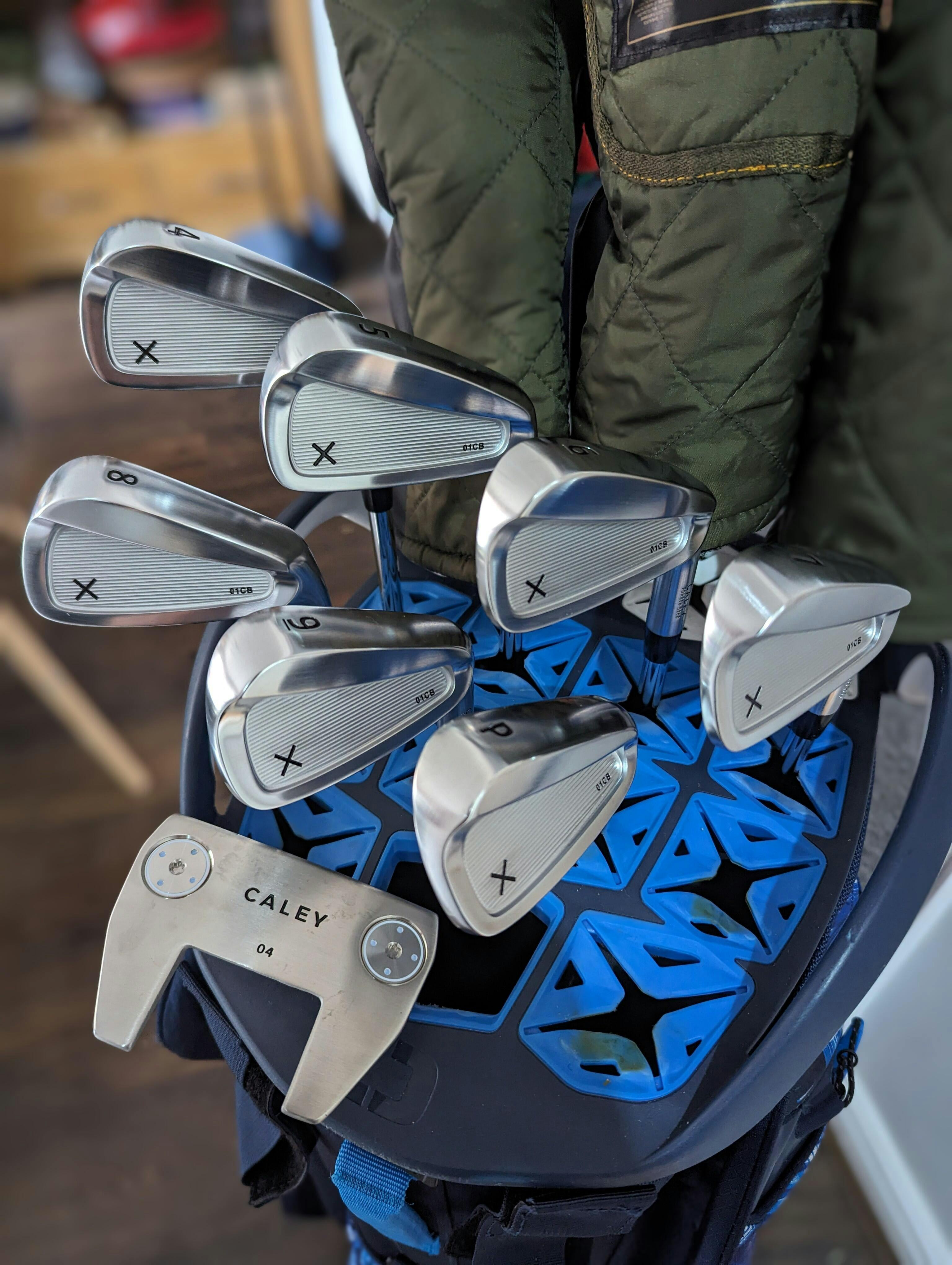
Caley Golf clubs arranged in a golf bag. Image credit: Caley Golf
The current Caley Golf range at a glance
The strongest way to understand Caley is to see the range as a connected ladder rather than isolated products. The iron lineup covers golfers who want help, golfers who want a players-distance balance, and golfers who prefer a more compact cavity-back look. Around that sit wedges, the 01X utility iron, custom builds and putter options.
| Category | Where it sits in the range | Best starting point |
|---|---|---|
| 01 Iron Set | Distance and forgiveness first | Golfers who want help on strike quality and launch |
| 01T Iron Set | Players-distance balance | Golfers who want speed and forgiveness in a slightly sharper package |
| 01CB Iron Set | Compact cavity back with more control | Mid to lower handicaps wanting cleaner shaping and more shot control |
| Wedges | Short-game coverage and gapping | Golfers building a practical scoring setup |
| 01X Utility Iron | Driving-iron style long-game option | Golfers wanting a tee club or hybrid alternative |
| Putters | Simpler, blade-led option | Golfers who prioritise feel, alignment preference and clean looks |
| Custom builds | Online fitting and spec choices | Golfers who already understand their preferred shaft, length, lie or grip |
This kind of tighter range can be useful. Instead of spending hours decoding product families, most golfers can narrow the shortlist quickly. That often makes the buying process more commercially useful, especially when you already know whether your game needs help launching the ball, holding spin, tightening turf interaction or simply replacing a weak part of the bag.
How Caley compares with mainstream retail brands
The obvious difference is buying route. Mainstream brands sell through shops, fitting centres and big retail channels, which gives you more opportunities to hit clubs first but also feeds into higher pricing and a more crowded product catalogue. Caley strips that back. The trade-off is that you need more confidence in your own self-assessment or a better plan for testing.
That does not automatically make direct-to-consumer better. It simply changes where the decision points sit. If you know the launch window you prefer, the shaft profile that tends to work, and the head shape that gives you confidence, Caley can look very attractive. If you still need help understanding strike pattern, lie angle or distance gapping, some in-person data collection is often the smarter first step.
That is where a session built around golf fitting or structured use of launch monitor data becomes useful. Even if you do not test a Caley head in person, you can still learn a huge amount about your delivery, peak height, spin profile and typical miss pattern before committing to a category.
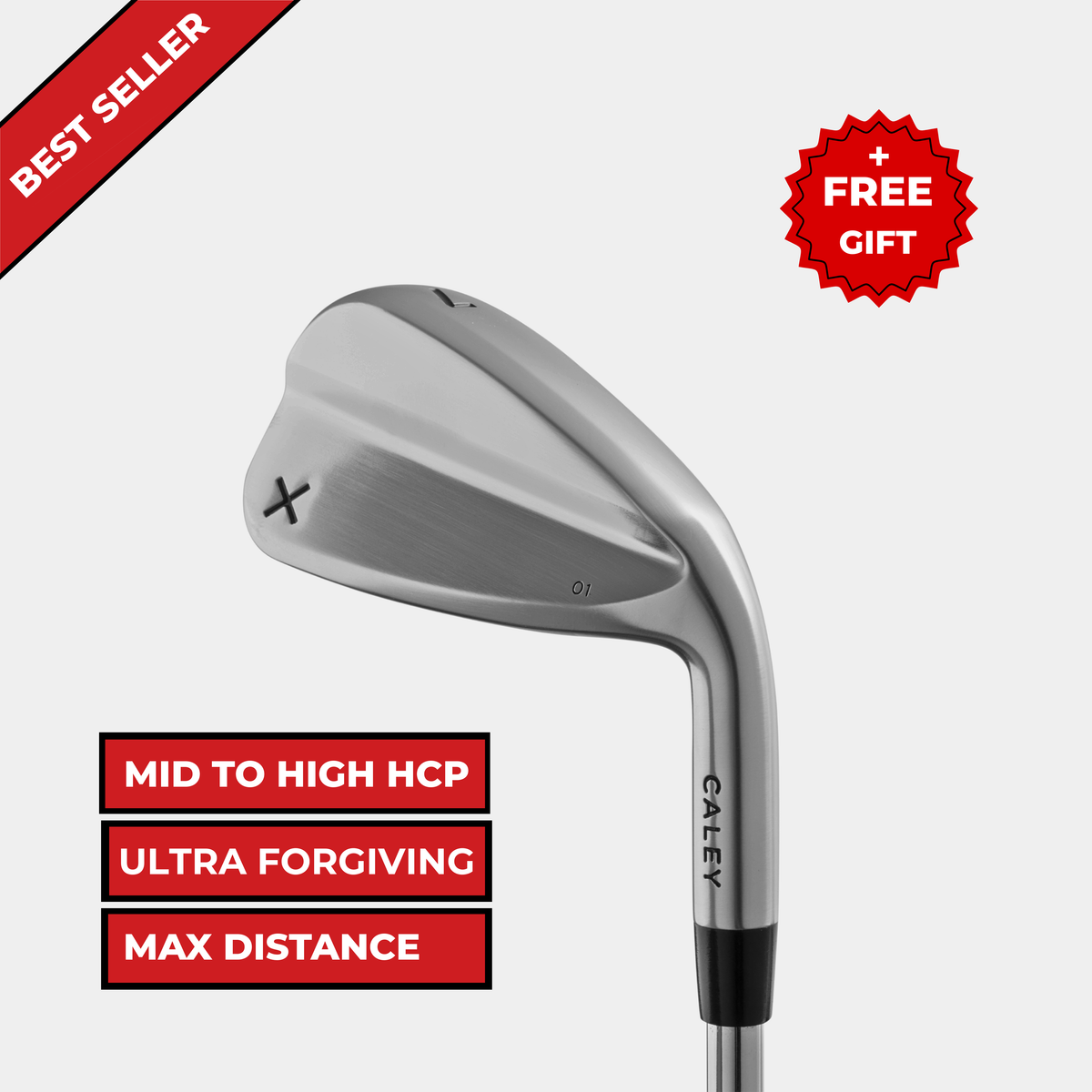
Caley 01 iron set front view. Image credit: Caley Golf
Which Caley irons suit different golfers?
The key decision inside the Caley range is not simply 'good player' versus 'improver'. It is about where you create speed, how consistently you strike the middle, and what visual shape helps you swing freely. Those factors influence whether you should prioritise forgiveness, a players-distance compromise, or the cleaner control of a cavity-back iron.
The 01 tends to appeal to golfers who want easier speed, help on slight misses and a confidence-boosting route through the turf. It is the sort of model that can make long irons feel less intimidating and keep carry numbers more stable across an average round rather than just during your best swings.
The 01T sits in a useful middle zone. Golfers who are improving, or stronger players who still want a bit of help, often end up here because it balances a sharper visual profile with modern ball-speed support. It can be a particularly sensible option for golfers who do not want a club to look bulky at address but still appreciate a generous launch window.
The 01CB is the model to consider when you care more about compact shaping, strike feedback and precision. That does not mean only elite players should look at it. It means you need enough delivery consistency to benefit from the extra control without turning every slight miss into an expensive lesson.
If you suspect your current clubs are fighting your strike because lie angle or setup is off, a proper loft and lie check can save you from blaming the head for a spec issue.
Wedges, utility irons and putters
A brand becomes more convincing when the rest of the bag makes sense too. Caley does that fairly well. The wedges let golfers keep a similar design language and value proposition into the scoring end of the set. The 01X utility iron gives the range a proper long-game bridge for players who prefer a flatter, more controlled flight than a hybrid often produces.
The putter side is more streamlined, which is not necessarily a negative. Many golfers do not want a wall of nearly identical shapes. They want a putter that suits their eye, delivers a dependable feel and looks sensible next to the rest of the bag. Caley's simpler approach can work well for that kind of buyer, particularly if the decision is driven by setup confidence rather than collectability.

Caley wedge set product image. Image credit: Caley Golf
Buying direct, fitting and return considerations
One of the most important points with Caley is that not every product carries the same level of purchase protection. The brand's public information gives the most confidence around standard-spec iron buying, while custom builds and certain categories naturally involve more commitment. That is normal for direct-to-consumer brands, but it does mean you should read the buying terms carefully before ordering.
For UK golfers, the smartest path is to separate head choice from full-spec certainty. You can be fairly sure that a certain head category suits you while still needing help with shaft weight, lie angle, length or grip size. That is why some golfers start with baseline data, then use the online custom route only after they understand what usually works for them.
If grip size, club build or ongoing maintenance are part of the decision, Outtabounds also covers broader golf services, which can help keep a set working properly after the purchase rather than treating the transaction as the finish line.
How to test Caley equipment indoors before you buy
Even without a full fitting cart, indoor testing can make the decision far clearer. Start by using a launch monitor session to learn what your current set actually does. Check carry gaps, launch, peak height and left-right pattern. Pay attention to the strikes that represent your normal golf, not the single flushed one that flatters the set you already want to buy.
A good indoor session at a venue focused on indoor golf simulators or equipment data can turn vague ideas into usable evidence. If you are considering a new iron category, look at your weakest clubs first. A 6-iron or 7-iron often tells the truth more quickly than a wedge or short iron.
For golfers building a broader practice setup at home, simulator planning guides are useful because they connect equipment buying with the environment in which you will actually test and use it.
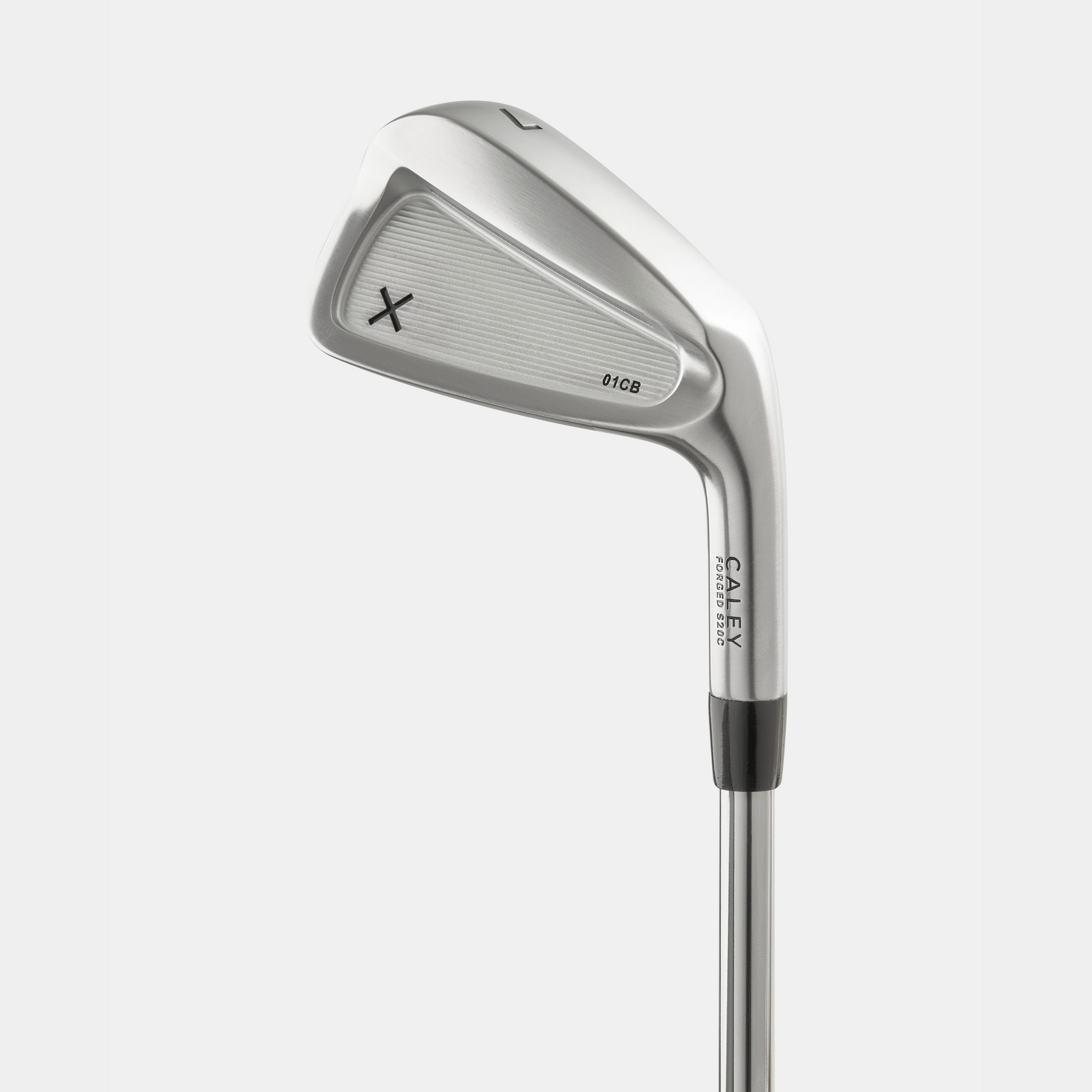
Caley 01CB iron set custom product image. Image credit: Caley Golf
Explore the Full Caley Golf Series
- Caley Golf UK: Complete Guide to Irons, Wedges, Putters and Buying Direct
- Caley 01 vs 01T vs 01CB Irons: Which Model Suits Your Game?
- Are Caley Golf Irons Worth It for UK Golfers?
- Caley Golf Wedges Explained: Gapping, Loft Options and Who They Suit
- Caley 01X Utility Iron Guide: Who Should Use One and When?
- Caley Golf Putters Explained: Feel, Shape and Buying Considerations
- Caley Golf Custom Fitting and Custom Orders: What UK Golfers Should Know
- How to Build a Smart Caley Golf Set: Irons, Wedges, Utility and Putter
- Caley Golf vs Takomo and Other Direct-to-Consumer Brands: How to Compare Value
Final thoughts on the Caley range
Caley Golf is worth a serious look if you like direct-to-consumer value, cleaner product lineups and a buying process that feels more focused than mainstream retail. The strongest part of the story is still the iron category, but the wedges, utility iron and custom route make it possible to build a coherent bag around the brand.
The main question is not whether Caley is 'good enough'. It is whether you know enough about your own game to choose the right model and the right build. If you do, Caley can be a very sensible route. If you do not, spend time on data and fit logic first. That sequence usually leads to a better decision and a better set.


