

Zero torque and toe hang putters often appeal to opposite instincts. One category is trying to calm the face and reduce the feeling of rotation. The other often gives golfers a more flowing, releasing sensation that feels natural and expressive. That does not mean one is modern and the other is outdated. It means they solve different player preferences.
This comparison matters because many golfers trying zero torque putters are not choosing between two similar mallets. They are usually choosing between a new stability-driven idea and a familiar toe-hang putter they already trust or have trusted in the past.
Connect putter research with practical setup advice, repairs, loft and lie
Buy Zero torque putters
Zero torque putters versus toe hang putters. Image credit: Outtabounds
What toe hang means in simple terms
A toe-hang putter allows the toe to droop when the shaft is balanced. In buying language, these putters are commonly linked with golfers who like to feel the head release naturally through impact. Many classic blades and short-slant or plumber's-neck designs sit somewhere in this world.
The old language is still useful. If you want a broader refresher, this guide to face balanced and toe hang putters explains why the label is a fitting clue rather than a rigid sorting rule.
The important thing is that toe hang is usually associated with motion and feel rather than maximum neutrality. Golfers who love blades often love that sense of flow.

Bettinardi Antidote SB5 zero torque putter profile. Image credit: Bettinardi
Why zero torque feels so different
A zero torque putter is trying to remove some of the work the golfer normally does with face control. Instead of feeling the head rotate and timing that release, the player often feels a more neutral, organised motion.
That can be transformational for golfers who hate the sense of opening and closing. It can be off-putting for golfers who use that feeling as part of their touch and rhythm. So when people say zero torque is not for them, they are often really saying they do not want the putter to take away the release sensation they rely on.
The visual picture is a huge part of the choice
Toe-hang putters often look more traditional. Narrower blades, cleaner neck lines and simpler silhouettes can make a player feel immediately comfortable. A zero torque option may give better face control in theory, but if the golfer dislikes the address picture, the confidence benefit can disappear.
This is why the category keeps branching into more familiar-looking shapes. Brands know many golfers want the behaviour of zero torque without abandoning the look of a blade or compact mallet entirely.
That is one reason articles such as our TaylorMade Spider Tour X review and Bettinardi putter guide are helpful. They show how much shape identity still influences putting decisions even before the technology question is settled.
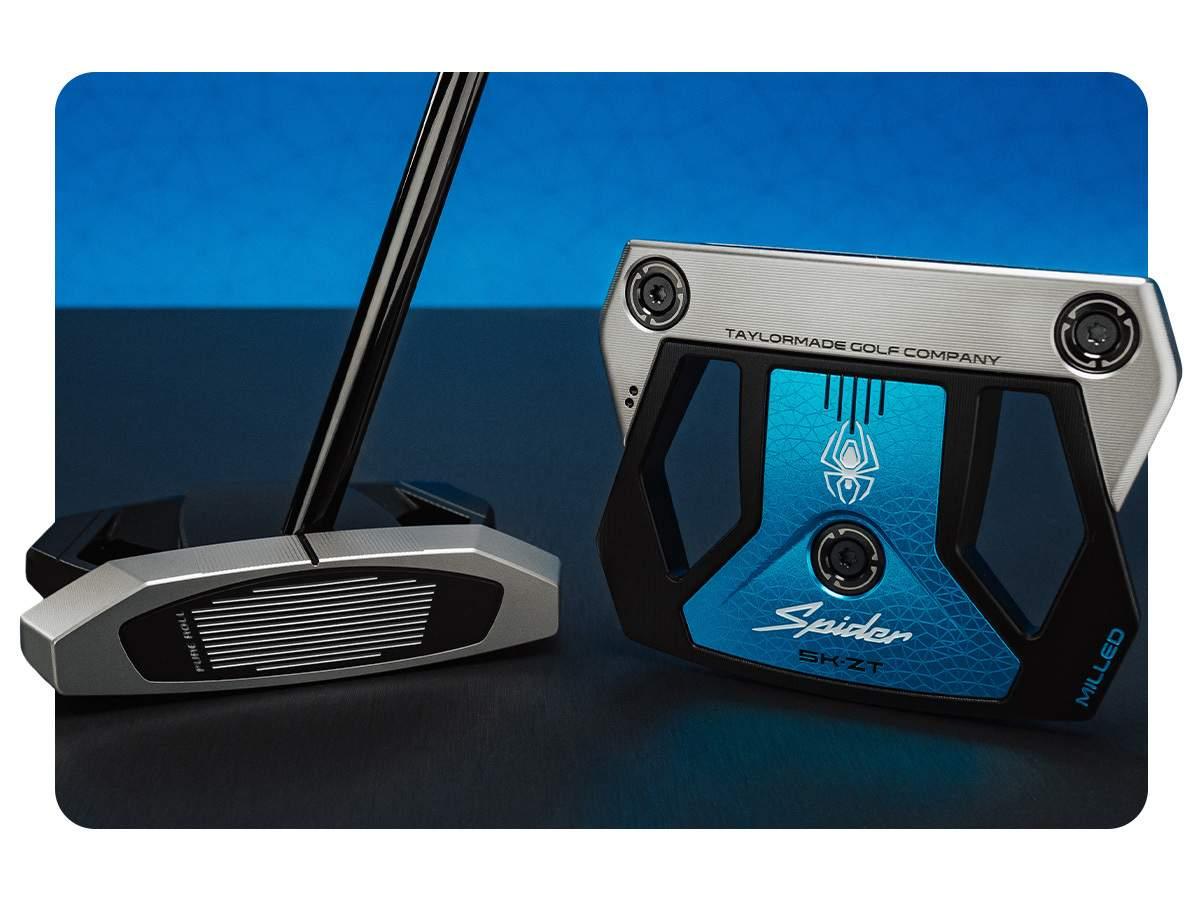
TaylorMade Spider ZT low torque putter. Image credit: TaylorMade
How the two categories compare
| Area | Zero torque putters | Toe hang putters |
|---|---|---|
| Face behaviour | Built to feel more stable and square through the stroke | Allows more natural release sensation through impact |
| Typical visual style | Often centre-shafted or engineered for a more neutral look | Often traditional necks, blades or flowing compact mallets |
| Who often likes it | Golfers fighting face control issues or wanting a calmer feel | Golfers who trust rhythm, feel and a visible release pattern |
| Common risk | May feel too controlled or unfamiliar | May ask more timing of the player under pressure |
Who may benefit more from zero torque
- Golfers whose misses are strongly tied to face control rather than green reading.
- Players who push and pull putts because the face feels too active in the hands.
- Golfers who get anxious from short range and want a simpler, quieter motion.
- Players who are open to a different look if the results are better.
These golfers are often looking for less drama, not more artistry. They want the putter to reduce the amount of hand management required on the strike.
Who may still prefer toe hang
- Golfers who already putt well with a blade or slant-neck compact mallet.
- Players who judge pace through the feeling of release and head swing.
- Golfers who dislike heavy visual engineering behind the ball.
- Anyone whose confidence depends on a traditional address picture.
For these players, toe hang is not a flaw. It is part of why the club feels alive and trustworthy. Trying to move them into zero torque can actually make the stroke worse.
Do not confuse stroke labels with destiny
It is tempting to reduce the comparison to straight-back-straight-through versus arc. Real golfers are more complex than that. Plenty of players with an arc still prefer a more stable face picture. Plenty of players with a relatively straight motion still like some toe-hang feel.
A better framework is to ask: do I putt best when the face feels quiet, or do I putt best when the head feels free? That answer is usually more revealing than any textbook label.
If you are unsure, compare the categories alongside general setup guidance. Outtabounds resources such as Putter Length, Lie and Loft Guide and Best Putter Features for High Handicappers can sharpen the shortlist without forcing a category too early.
How to test this comparison fairly
Take a toe-hang putter you know well and compare it against one zero torque model over short putts, mid-range putts and a simple pace-control drill. Note which club gives you the cleaner start line and which one lets you match speed more naturally.
If the zero torque model wins on line but loses heavily on speed, keep testing rather than rushing the verdict. Some of that difference may be adaptation. If the toe-hang putter still feels more natural and performs just as well, that is your answer.
Explore the Full Zero Torque Putters Series
- What Is a Zero Torque Putter and How Does It Work
- Why Zero Torque Putters Feel Different to Traditional Putters
- Zero Torque vs Face Balanced Putters
- Zero Torque vs Toe Hang Putters
- L.A.B Golf Lie Angle Balance Technology Explained
- Odyssey Square 2 Square Putters Explained
- Best Zero Torque Putters Available Right Now
- Who Should Use a Zero Torque Putter
- Are Zero Torque Putters Worth It
Conclusion
Zero torque and toe hang putters represent two very different ways of helping a golfer. Zero torque tries to make face control simpler and more stable. Toe hang gives many players the flowing, natural release they already trust.
The better choice is not the more modern category. It is the one that gives you the clearest start line, the best pace control and the highest confidence under pressure. If that turns out to be toe hang, there is nothing outdated about that. If it turns out to be zero torque, the shift may be exactly the upgrade you needed.


