

Zero torque putters are usually expensive enough that the obvious question is the right one: are they actually worth it? The honest answer is that they can be, but only when the technology solves a real problem in your putting. If the improvement is theoretical rather than obvious, the premium becomes much harder to justify.
This is especially relevant now that the market includes specialist options from L.A.B and Edel, premium milled routes from Bettinardi, and more mainstream entries from Odyssey and TaylorMade. The category is broader, but the core value question is unchanged. Does the putter make you perform and feel better often enough to justify the spend?
Connect putter research with practical setup advice, repairs, loft and lie
Buy Zero torque putters
Are zero torque putters worth it. Image credit: Outtabounds
When zero torque putters are most worth it
- Your main miss is face-control related rather than a pure green-reading mistake.
- Testing clearly shows better start lines and a calmer short-putt experience.
- Your current putter never feels fully settled even after trying other traditional models.
- You are willing to buy the right spec rather than guessing length, lie and grip.
In those situations, the premium can make sense because the putter is not just giving you a cosmetic refresh. It is changing the task you are performing and reducing the amount of management required at impact.
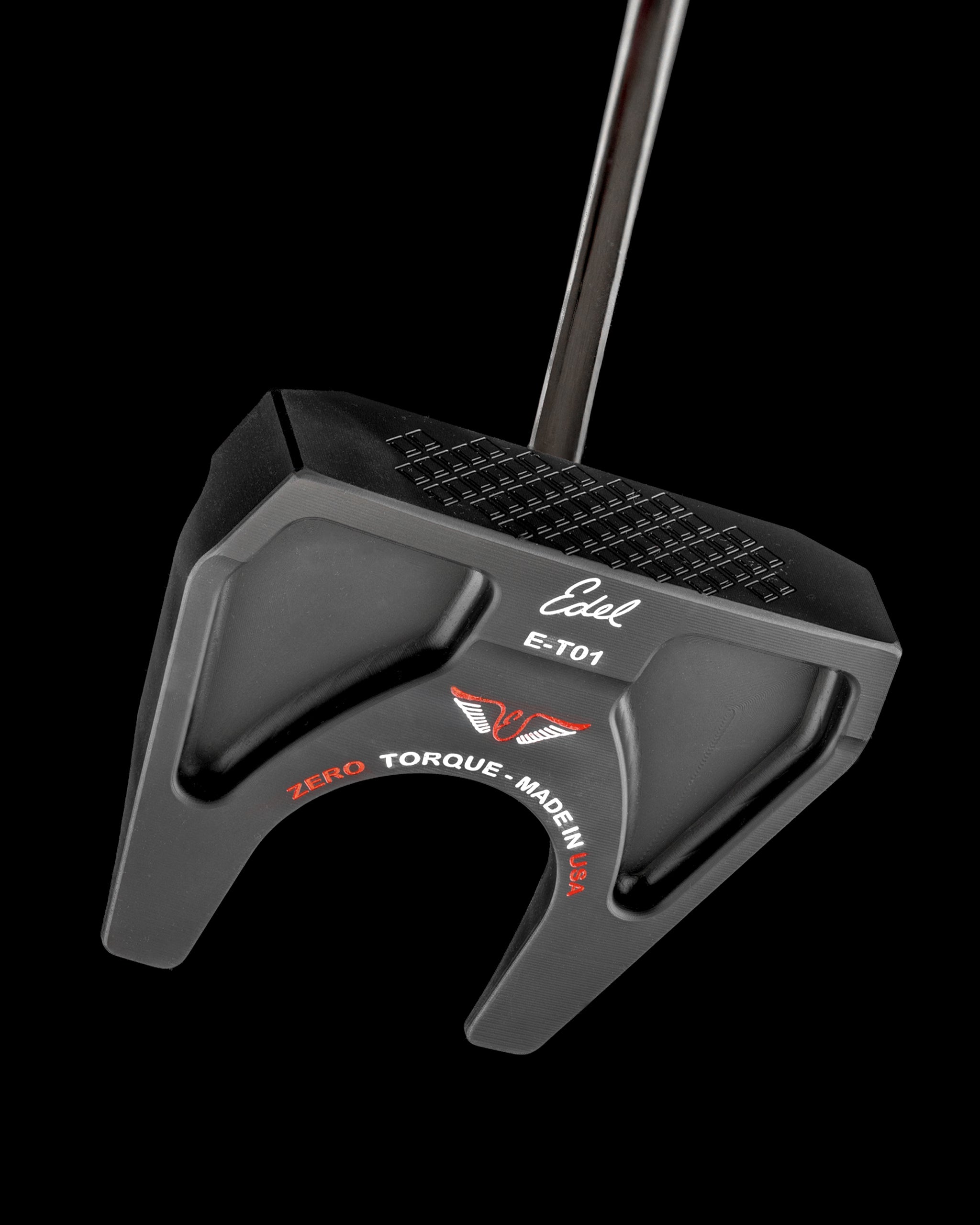
Edel E-T01 zero torque putter representing the premium end of the category. Image credit: Edel Golf
When the premium is harder to justify
If you already putt well, if your misses are more about distance control than face control, or if you rarely practise enough to judge the difference properly, the value case gets weaker. A premium zero torque putter is still a premium putter. The improvement needs to be meaningful, not just interesting.
It is also harder to justify if you are buying blind. A design built around balance and setup loses much of its logic if you are guessing the build. That is where the category can become an expensive experiment rather than a smart upgrade.
Value is about more than price alone
Golfers sometimes talk about value as though it is just the sticker price. In reality, value also includes confidence, fit, longevity of the decision and whether the putter stops you from endlessly changing models.
A putter that genuinely simplifies your process can be excellent value even at a premium price. A putter that fascinates you for one week and then ends up in the garage is poor value regardless of how advanced the engineering sounds.
| Buying situation | Value verdict |
|---|---|
| You struggle badly with face control and the test results improve clearly | Strong value case |
| You are curious but your current putter already performs well | Weak to moderate value case |
| You can get properly fitted or at least narrow the build accurately | Much stronger value case |
| You are buying blind because the trend is popular | Weakest value case |

Bettinardi Antidote putter as a premium zero torque option. Image credit: Bettinardi
How zero torque compares with cheaper solutions
Sometimes the right answer is not a new category at all. A grip change, a lie adjustment, a loft check or a more suitable conventional head shape may solve the same issue for much less money.
That is why pages such as Putter Length, Lie and Loft Guide and Golf Club Regripping deserve attention before a premium purchase. You may discover the real issue is setup rather than technology.
On the other hand, if you have already explored those simpler routes and still feel you are fighting the face, the stronger value case for zero torque becomes easier to defend.
How to judge worth through testing
The most reliable method is to compare your current putter with one zero torque model over a structured session. Track start line, short-putt confidence and pace control. If the zero torque option improves only one area while making two others worse, the answer is probably no. If it improves line and confidence without damaging pace, the answer becomes much more interesting.
This is one reason indoor repetition is so useful. The environment makes the comparison cleaner and turns the decision into evidence rather than opinion.
If you are building a better practice environment at home or in a dedicated space, Outtabounds can help with the wider setup side through Golf Simulator Garden Rooms and Golf Enclosures.
Which golfers usually get the best value
- Golfers who practise enough to notice small gains in face control and confidence.
- Players willing to think seriously about fit and build rather than buying off reputation.
- Golfers who want fewer putter changes because they are looking for a more stable long-term solution.
- Players who have tested traditional alternatives and still feel unsatisfied.
If you suspect you fall into that group, it is worth reading category-specific guides such as Are L.A.B Golf Putters Worth It so you can judge the premium end of the market with more context.
Explore the Full Zero Torque Putters Series
- What Is a Zero Torque Putter and How Does It Work
- Why Zero Torque Putters Feel Different to Traditional Putters
- Zero Torque vs Face Balanced Putters
- Zero Torque vs Toe Hang Putters
- L.A.B Golf Lie Angle Balance Technology Explained
- Odyssey Square 2 Square Putters Explained
- Best Zero Torque Putters Available Right Now
- Who Should Use a Zero Torque Putter
- Are Zero Torque Putters Worth It
Conclusion
Zero torque putters are worth it when they solve a real start-line and face-control problem, when the build suits you, and when the change makes you more confident rather than merely curious. They are not worth it simply because the category is fashionable or because the price suggests they must be better.
The best value decision is evidence-based. Test one properly, compare it honestly with what you already use, and judge whether the improvement is strong enough to justify the spend. If the answer is yes, the premium can make complete sense. If the answer is no, keep your money and keep searching more intelligently.


