

One reason zero torque putters create such strong reactions is that they feel different before the ball even moves. Some golfers stand over them and instantly feel calmer. Others know within a few strokes that the sensation is not for them. That difference is not imaginary. The way these putters balance and present themselves genuinely changes what the golfer feels during the motion.
A traditional putter often gives you some awareness of release, especially if it has toe hang or a shape that encourages the head to flow. A zero torque model usually feels as though the face wants to hold its picture more steadily. For players who have spent years timing the blade, that can be refreshing or strange depending on what they trust.
Connect putter research with practical setup advice, repairs, loft and lie
Buy Zero torque putters
Why zero torque putters feel different to traditional putters. Image credit: Outtabounds
Why the sensation changes at address
The first difference is visual. Many zero torque putters place the shaft and head geometry in a way that makes the putter look more centred, more stable or more 'set' behind the ball. Even before the stroke starts, the club is giving you a different message.
That visual message matters because putting is a confidence task as much as a mechanical one. If the putter looks as though it will stay organised, some golfers free up quickly. Others prefer seeing a more traditional neck, more offset, or a shape that hints at natural release. That is why visual preference should not be dismissed as vanity. It is part of performance.
If you already know you respond strongly to shape and setup picture, the smartest companion reads are usually how to choose a putter for your stroke and setup and our guide to putter length, lie and loft.

L.A.B. Golf OZ putter address view. Image credit: L.A.B. Golf
Why the stroke can feel calmer
A lot of golfers describe zero torque putters as calmer through the stroke. What they usually mean is that the face does not feel like it is wandering around in their hands. There is less sense of having to rescue the head through impact.
That calmer feel can be excellent for players who get handsy on short putts, who fight last-second pulls, or who never quite believe the face is where they want it to be. Instead of timing a release, they can make a more passive, confident motion.
The flip side is that some golfers enjoy a little release sensation because it helps them judge rhythm and pace. If a putter feels too neutral or too managed, they can lose their natural timing. That is why zero torque is not automatically better. It simply changes the type of feedback you receive.
How face awareness changes
Traditional putters often give you a clearer sense of the head opening and closing, even if only slightly. That is not always a problem. For many players it is the exact feedback that lets them putt with touch. A zero torque design reduces that sensation, which can make the club feel simpler but sometimes less expressive.
This is one reason why golfers switching from a classic blade can feel a learning curve. The new putter may actually be helping the face, yet the golfer initially misses the familiar information coming through the hands. Staying patient for a proper test is important.
If you want a practical example of how different putter feels influence confidence, our TaylorMade Spider Tour X review is useful because it shows how a compact mallet can feel stable without becoming completely detached. Our L.A.B. Golf OZ.1 review is another good reference point from the zero torque side.
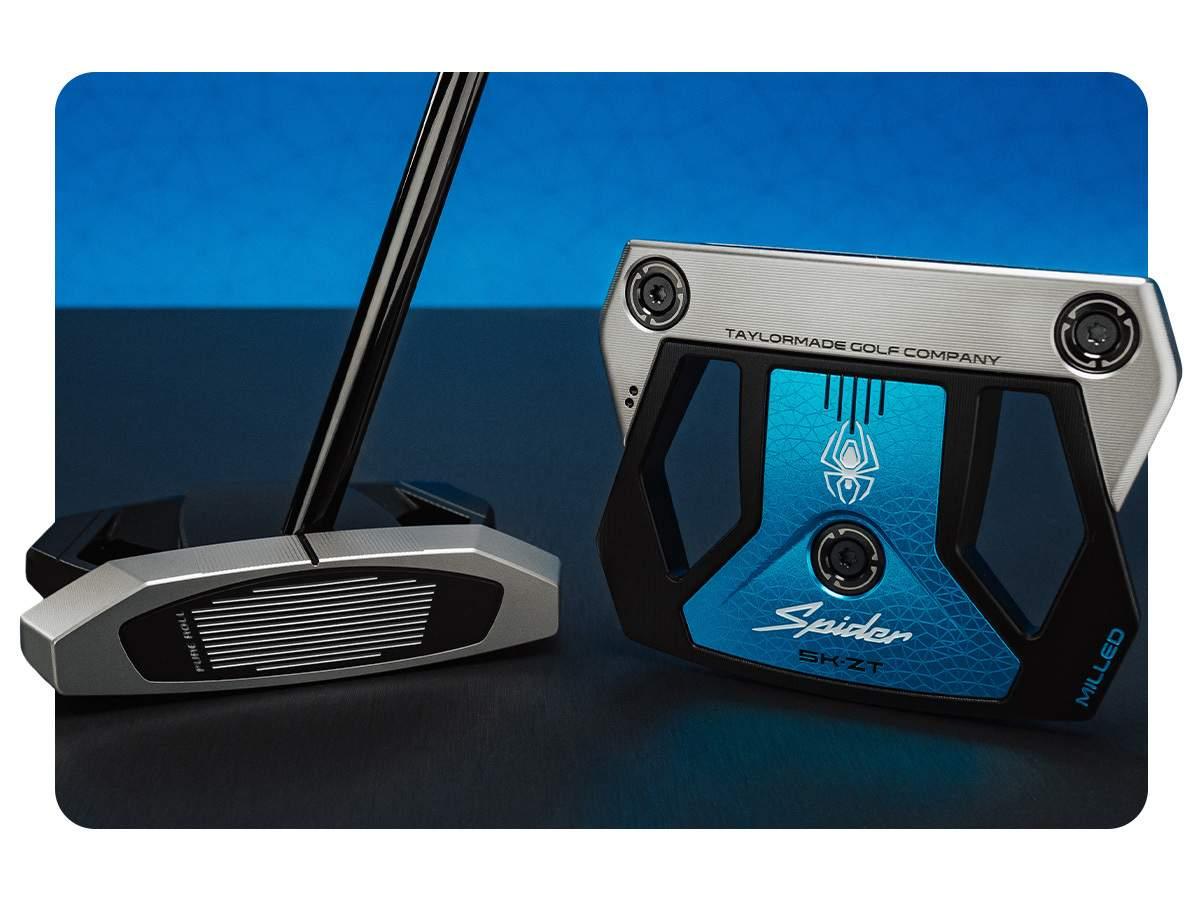
TaylorMade Spider ZT low torque putter at address. Image credit: TaylorMade
Why pace control can feel unusual at first
Speed control is where first impressions can go wrong. Golfers sometimes assume a zero torque putter is poor on pace because the strike feels different, when in reality they are simply adjusting to a new head response and balance pattern.
A more stable face picture can improve start direction quickly, but pace control sometimes takes a little longer because you are learning how the head swings. That adjustment is especially noticeable if you move from a lighter-feeling blade into a heavier or more stable mallet shape.
Face construction adds another layer. Some zero torque models are milled and firm. Others use insert technology and feel softer or faster. So if a putter feels odd on pace, do not assume the issue is the zero torque concept alone. It may be the combination of shape, head weight and face material.
Why some golfers love the change immediately
- Golfers who struggle to start the ball on line often like how little manipulation the stroke seems to need.
- Players who get nervous from short range can enjoy the more organised visual picture.
- Golfers who have tried many traditional putters without ever feeling settled may welcome a completely different design philosophy.
- Players who practise indoors or use consistent putting drills often notice the face-control benefit quickly because the feedback is easy to compare.
These players are not buying into hype. They are responding to a task becoming easier. When that happens, the different feel becomes a strength rather than a hurdle.
Why others never get comfortable
There are also sensible reasons why some golfers bounce straight back to traditional putters. The head may look too unusual. The built-in shaft presentation may not suit their eye. They may prefer a more flowing release sensation, or they may already putt very well with a conventional model.
The important point is not to force yourself into a category. If a zero torque putter feels as though it is taking away your natural distance control or your sense of freedom, that is a real signal. Good fitting is not about choosing the newest idea. It is about choosing the one that makes your own stroke more repeatable.
When in doubt, combine a test session with some broader setup advice. Outtabounds connects those conversations through pages such as Golf Services Nottingham, where spec changes and equipment checks can be discussed in a practical way.
How to judge the feel properly
| Question to ask | Why it helps |
|---|---|
| Do I aim this putter more clearly? | A stable feel is only useful if the visual picture works for you. |
| Am I starting more putts on line? | This is the main performance claim of the category. |
| Does pace control improve after a few minutes? | Initial oddness is not always a reason to reject the club. |
| Do I feel calmer or more restricted? | Confidence and freedom are central to putting. |
If the answer is positive on line, confidence and strike, then the different feel is probably a feature you should take seriously. If the answer is negative after a fair test, move on without guilt. Zero torque putters are meant to reduce friction, not create more of it.
Explore the Full Zero Torque Putters Series
- What Is a Zero Torque Putter and How Does It Work
- Why Zero Torque Putters Feel Different to Traditional Putters
- Zero Torque vs Face Balanced Putters
- Zero Torque vs Toe Hang Putters
- L.A.B Golf Lie Angle Balance Technology Explained
- Odyssey Square 2 Square Putters Explained
- Best Zero Torque Putters Available Right Now
- Who Should Use a Zero Torque Putter
- Are Zero Torque Putters Worth It
Conclusion
Zero torque putters feel different because they are changing both the physics of the head and the message the golfer receives through the hands and eyes. That different sensation can make putting simpler, calmer and more committed. It can just as easily feel less natural for players who trust a freer release and more traditional feedback.
The goal is not to decide whether the feel is modern or traditional. The goal is to decide whether it helps you make a more repeatable motion with better start lines and more confidence. If it does, the difference is valuable. If it does not, the category is simply not your answer.


