

Zero torque putters have moved from niche curiosity to one of the biggest conversations in modern putting. Golfers who once chose only between a blade, a mallet, or a face balanced setup are now being asked a different question: do you want a putter that naturally resists face rotation? That shift is why the topic keeps appearing in product launches, fittings and practice conversations.
The label sounds technical, but the buying decision is actually quite practical. A zero torque putter is built so the head wants to stay more stable through the stroke, rather than asking the player to manage the face manually. That can feel brilliant for some golfers and completely unconvincing for others. The aim of this guide is to make the concept clearer before you spend serious money.
Contents
- What zero torque means
- How the design works
- Why golfers are interested
- Different ways brands do it
- Benefits and trade-offs
- How to test one properly
- Common myths
Connect putter research with practical setup advice, repairs, loft and lie
Buy Zero torque putters
Zero torque putter guide and technology overview. Image credit: Outtabounds
What zero torque means
Torque, in simple terms, is the tendency of the putter head to twist or rotate when the shaft axis and the centre of gravity do not line up in a way that keeps the face calm. Traditional putters can still work brilliantly, of course, but many of them give the golfer more awareness of opening and closing through the motion. A zero torque design tries to reduce that urge to rotate.
That does not mean the head is physically incapable of moving. It means the putter is arranged so it does not feel as though it wants to fan open on the way back or snap closed through impact. When golfers describe zero torque as feeling point-and-shoot, locked-in or calmer, that is usually what they are reacting to.
This is why the category is different from a generic face balanced label. Face balance can be a useful clue, but it is not the whole design story. If you want a refresher on the older fitting language, this Outtabounds guide to face balanced and toe hang putters is a good companion read.

L.A.B. Golf DF3 zero torque putter head shape. Image credit: L.A.B. Golf
How the design works
Different brands reach the same broad goal in different ways, but the principle is similar. The shaft location, shaft lean, head geometry and internal weighting are arranged so the putter balances in a more stable way through the golfer's natural motion.
L.A.B. Golf built the modern conversation around Lie Angle Balance, where the putter is designed to stay square relative to its lie angle. Odyssey uses a Square 2 Square concept with a toe-up tendency and forward-press-friendly build. TaylorMade positions the Spider ZT around low torque, precise CG placement and a shaft bored in line with the centre of gravity. Bettinardi talks about Simply Balanced technology. Edel uses torque balanced language. The branding varies, but the buyer question stays the same: does the putter make the face easier to return predictably?
That is why one golfer can try a zero torque putter and immediately see straighter starts, while another simply feels disconnected. The design is not magic. It changes the task the golfer is performing. If your current putter already matches your motion and your eye, the improvement may be small. If you constantly feel you are managing the face, the change can be obvious very quickly.
Why golfers are interested
The category is getting attention because it addresses a problem many golfers recognise. Putting often breaks down when the face does not start where the golfer intended. Even decent green reading is wasted if the ball leaves on the wrong line. A putter that reduces the sense of manipulation can make the whole process feel simpler.
There is also a strong confidence element. Golfers often report that zero torque designs let them commit to a line more cleanly on short and mid-range putts. That does not automatically make them better putters, but it can lower the mental noise around the strike.
That is part of the reason why review pieces such as our L.A.B. Golf DF3 review and Odyssey Ai-ONE Jailbird Mini S review are useful alongside broader buying guides. Seeing how different head styles behave helps you separate the technology concept from a single product launch.
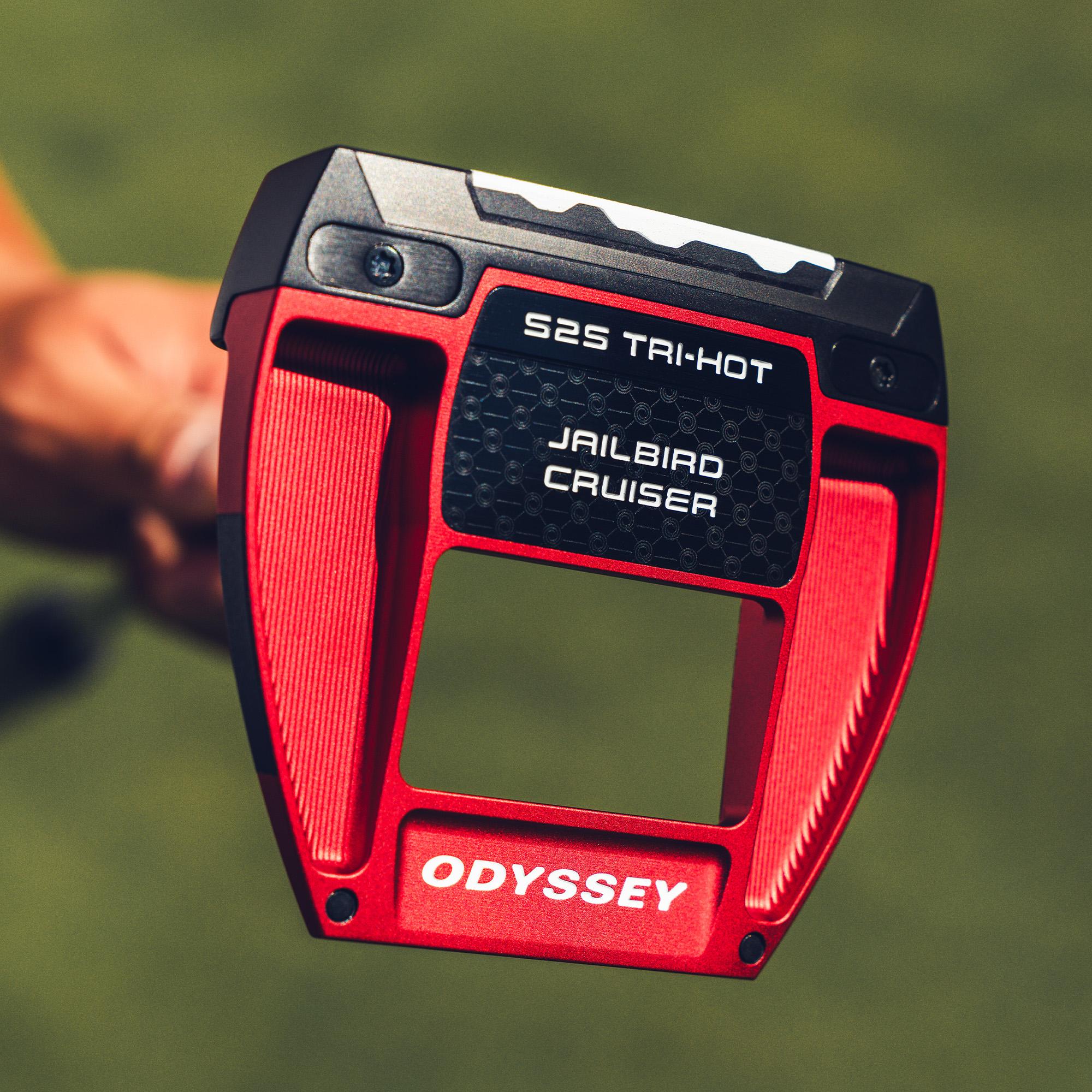
Odyssey Square 2 Square Tri-Hot zero torque putter. Image credit: Odyssey
Different ways brands do it
One mistake golfers make is assuming all zero torque putters look the same. They do not. Some are bold, high-contrast mallets. Others are cleaner, more traditional heads that happen to use different shaft placement and weighting.
- Large or high-MOI shapes such as some Directed Force, Jailbird and Spider-style models often give the strongest visual sense of stability.
- More traditional-looking options such as certain Bettinardi or blade-influenced designs try to bring zero torque behaviour to golfers who still want a familiar address picture.
- Insert versus milled face choices still matter. A putter can be zero torque and still feel fast, soft, muted or firm depending on the face construction.
- Length, lie and grip remain important. A promising head can still underperform if the build does not suit your setup.
So the right shortlist is rarely just 'the most famous zero torque putter'. It is usually the model that gives you the clearest start line picture, the right amount of forgiveness and a build you can actually live with.
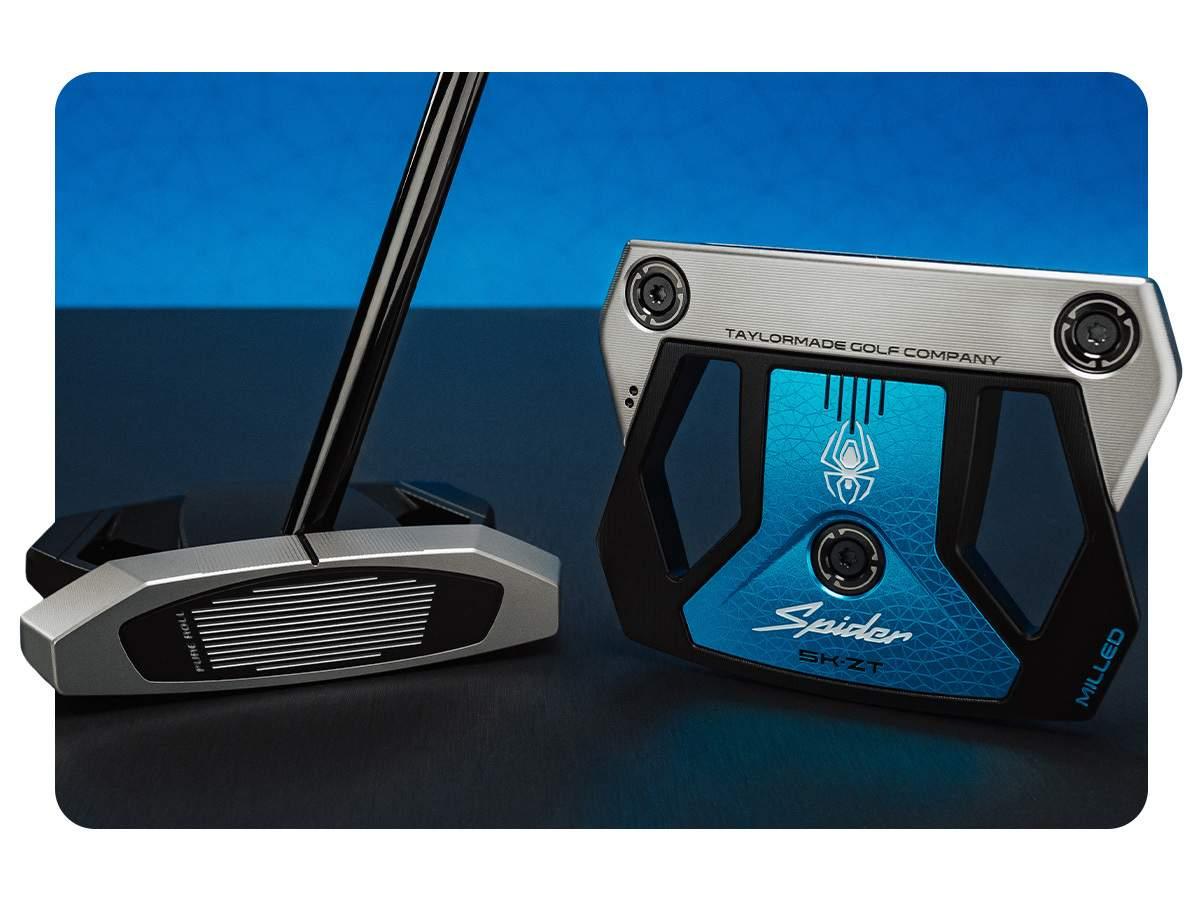
TaylorMade Spider ZT low torque putter. Image credit: TaylorMade
Benefits and trade-offs
The main upside is easier face control for golfers who tend to over-rotate or who never quite trust their start line. Many players also like the calmer sensation at address and through impact. On imperfect days, that stability can feel like a real safety net.
The trade-offs are just as real. Some golfers feel that zero torque designs reduce their natural sense of release. Others dislike the amount of built-in shaft lean or the visual oddness of certain heads. A design that feels wonderfully stable to one player can feel slightly trapped to another.
| Potential benefit | Possible downside |
|---|---|
| More stable face awareness through the stroke | May feel less natural for golfers who like a releasing toe hang look |
| Simple alignment and calmer short-putt feel | Some models look unusual at address |
| Can reduce the feeling of hand action | The build can feel wrong if length, lie or grip are guessed |
| Helpful for players fighting pulls and pushes from face control errors | Premium prices mean the improvement needs to be real, not theoretical |
Before buying, combine technology research with setup research. Our putter length, lie and loft guide and loft and lie adjustment page show why the putter spec is often just as important as the head concept.
How to test one properly
A poor test tells you almost nothing. Five random putts in a shop is not enough, especially with a design that may feel unfamiliar at first. Give yourself a structured comparison instead.
- Start with a putt length you can repeat, such as 6 to 10 feet, where start line is easy to judge.
- Compare your gamer against one zero torque option, not six at once.
- Track three things: start line, strike consistency and pace control.
- Notice whether the putter makes you feel clearer over the ball, not merely impressed by the idea.
- Check whether a grip or lie adjustment could solve part of the same problem for less money.
Indoor practice can be especially useful here because repetition removes some of the noise from changing greens and weather. That is where a controlled setup becomes valuable. Outtabounds approaches equipment and practice together, which is one reason the wider resources on simulator planning and indoor golf can be helpful even when you are focused on putting.

Bettinardi Antidote zero torque putter design. Image credit: Bettinardi
Common myths
One myth is that zero torque automatically suits only straight-back-straight-through strokes. Real strokes are more variable than that. Plenty of golfers with some arc can still prefer a more stable face picture. Another myth is that the category removes the need for fitting. In reality, fitting becomes even more important because the logic of the design depends on how the club sits and presents to you.
A third myth is that every zero torque putter performs the same. They do not. Shape, sightlines, head size, insert choice, shaft lean and grip all change the experience. That is why it is better to think of zero torque as a category, not as a single answer.
Explore the Full Zero Torque Putters Series
- What Is a Zero Torque Putter and How Does It Work
- Why Zero Torque Putters Feel Different to Traditional Putters
- Zero Torque vs Face Balanced Putters
- Zero Torque vs Toe Hang Putters
- L.A.B Golf Lie Angle Balance Technology Explained
- Odyssey Square 2 Square Putters Explained
- Best Zero Torque Putters Available Right Now
- Who Should Use a Zero Torque Putter
- Are Zero Torque Putters Worth It
Conclusion
Zero torque putters are popular because they try to simplify one of the hardest parts of putting: controlling the face without feeling overly manipulative. For the right golfer that can be a genuine performance shift, not just a marketing line. For the wrong golfer it can feel expensive, strange and unnecessary.
The smart route is not to buy the hype or dismiss it. Learn what the design is trying to do, compare it against your current putter in a repeatable test, and judge whether the stability you feel actually turns into better start lines and better confidence. That is the point where the category becomes useful rather than fashionable.


