

Zero torque and face balanced putters can look similar from a distance because both are often described as stable, forgiving and friendly to golfers who want less face drama. That overlap is why many buyers treat them as interchangeable. They are not the same thing.
A face balanced putter is usually identified by how the face points upward when the shaft is balanced horizontally. A zero torque putter is built around a broader aim: reducing the putter's tendency to twist or rotate so the face wants to stay more organised throughout the stroke. Some models can look face balanced in spirit, but the design logic is different.
Connect putter research with practical setup advice, repairs, loft and lie
Buy Zero torque putters
Zero torque putters compared with face balanced putters. Image credit: Outtabounds
What face balanced really means
Face balance is a simple fitting term. When a putter balances with the face pointing upward, it is generally described as face balanced. In the market, that often points golfers towards double-bend mallets and other designs associated with a straighter visual release pattern.
If you want the longer version of that traditional framework, start with Face Balanced vs Toe Hang Putters Explained. That article is useful because it reminds golfers that balance type is a clue rather than a law.
The limitation is that face balance does not tell you everything about how the club will behave. Head shape, hosel presentation, shaft axis, grip, offset and the golfer's setup can still change the experience a lot.
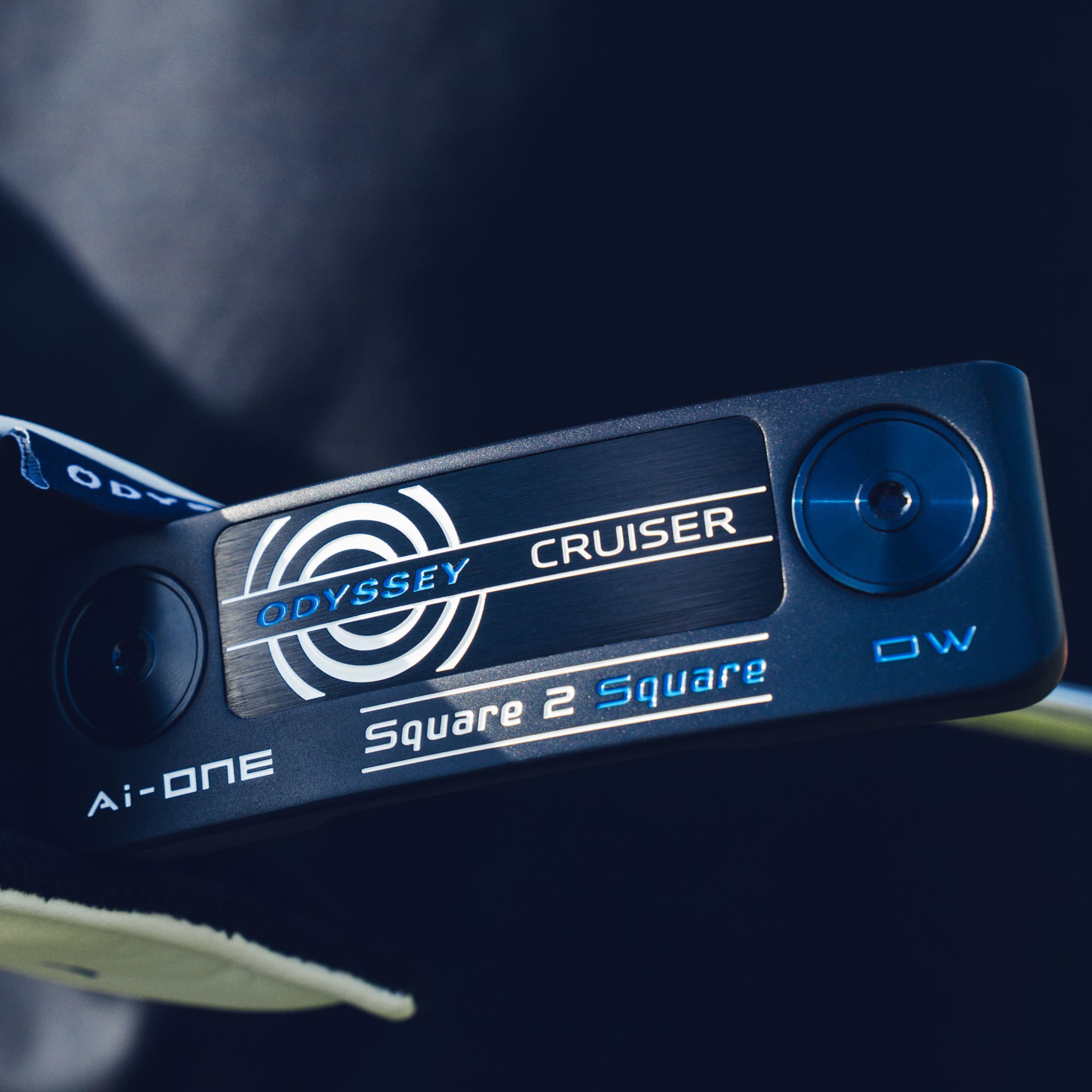
Odyssey Square 2 Square putter showing a stable zero torque style shape. Image credit: Odyssey
What zero torque adds to the conversation
Zero torque designs go beyond the older face-balanced label by trying to make the club naturally resist unwanted face movement. That is why the category is discussed in terms such as Lie Angle Balance, stroke-balanced, low torque, Simply Balanced and torque balanced.
In practical terms, a zero torque putter is not just saying 'this head looks stable when balanced on a finger'. It is saying 'this design is meant to stay square more easily during the stroke'. That is a more ambitious promise, which is why the category has attracted so much interest.
The best way to think about it is this: face balance is a descriptive clue, while zero torque is a design objective.
Where they overlap
- Both categories often appeal to golfers who want less visible face rotation.
- Both can be strong options for players who like modern mallets and clear alignment help.
- Both can give a calmer short-putt feel than more traditional toe-hang blades.
- Both still depend on the right length, lie and grip if they are going to perform well.
So if you already know you dislike a free-wheeling blade, either category may be worth testing. The difference appears when you ask how the club is creating that stable feeling and whether the specific sensation suits you.
Where they differ in real use
| Area | Zero torque putters | Face balanced putters |
|---|---|---|
| Main design goal | Reduce the tendency for the face to rotate and keep the head more organised through the stroke | Provide a more stable-feeling balance style, often through traditional face-balanced geometry |
| Typical golfer reaction | Often described as point-and-shoot, calmer, more neutral | Often described as stable, simple and familiar within modern mallet designs |
| Learning curve | Can feel very different at first, especially coming from a blade | Usually easier for golfers to recognise because the category is more established |
| Brand language | L.A.B., Square 2 Square, low torque, Simply Balanced, torque balanced | Face balanced, double bend, straight shafted stability models |
One reason this distinction matters is that some golfers dislike ordinary face balanced putters but like zero torque designs, because the latter feel more deliberately organised. The reverse can also happen. A player may like a conventional face balanced mallet and find the more engineered zero torque sensation a bit too managed.
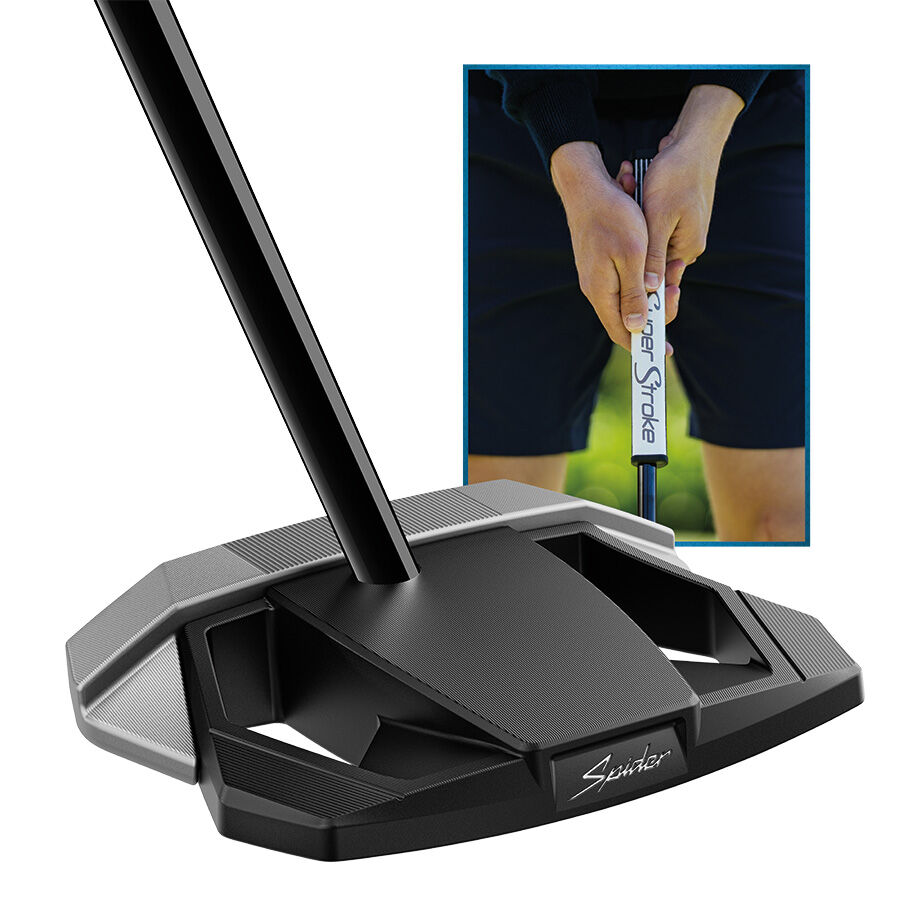
TaylorMade Spider ZT low torque putter shape. Image credit: TaylorMade
Which golfers are more likely to prefer zero torque
Zero torque usually becomes more interesting when the golfer's main problem is start line and face awareness. If you feel you are always rescuing the putter through impact, or if you like the idea of the club reducing hand action, the category deserves a proper look.
It can also suit golfers who are willing to accept a different visual and mechanical feel in exchange for a potentially easier strike pattern. That trade is not for everyone, but for some players it is exactly the point.
Which golfers may be better served by a standard face balanced route
A more conventional face balanced putter can make more sense if you want stability without a big shift in identity. It is often the easier transition for golfers moving out of a blade but not wanting the stronger design philosophy of zero torque.
This is especially relevant if your current putter is not far away from working. In that case, a sensible face balanced mallet, a spec adjustment or a grip change may solve more than enough of the problem.
That is why wider putter research still matters. The Outtabounds guides on Golf Putters UK and milled versus insert putters help keep the decision in context, rather than turning it into a one-label shortcut.
Do not ignore fitting and spec
Some golfers misread the comparison because they test a badly fitted zero torque putter against a familiar face balanced model built closer to their normal spec. That is not a fair comparison. Length, lie, grip thickness and even head weight can change the feel dramatically.
If a putter seems promising but not quite right, look at setup before you write it off. A loft and lie check or a regrip can be enough to transform the result.
That is one reason local service pages such as Golf Club Regripping and Golf Club Loft and Lie Adjustment are relevant to putter buying, not just repair work.
How to make the decision sensibly
- Test one conventional face balanced putter and one zero torque model over the same distances.
- Judge start line first, then pace control and confidence.
- Notice whether the zero torque option feels helpfully calm or oddly restrictive.
- Do not let the label overrule the evidence from your own practice.
Explore the Full Zero Torque Putters Series
- What Is a Zero Torque Putter and How Does It Work
- Why Zero Torque Putters Feel Different to Traditional Putters
- Zero Torque vs Face Balanced Putters
- Zero Torque vs Toe Hang Putters
- L.A.B Golf Lie Angle Balance Technology Explained
- Odyssey Square 2 Square Putters Explained
- Best Zero Torque Putters Available Right Now
- Who Should Use a Zero Torque Putter
- Are Zero Torque Putters Worth It
Conclusion
Zero torque and face balanced putters both sit on the stable side of the market, but they are not synonyms. Face balanced describes a familiar balance type. Zero torque describes a stronger design attempt to keep the face more organised throughout the stroke.
If you want a gentler move into stability, a conventional face balanced putter may be enough. If your bigger problem is managing face rotation and trusting your start line, zero torque is the category that deserves the closer look. The answer comes from testing, not from terminology alone.


