

A zero torque putter can be brilliant for the right golfer, but not every player needs one and not every putting problem is really a torque problem. That is why the better question is not 'are these putters good?' but 'who actually benefits from them?'
In practical terms, zero torque putters tend to suit golfers who want the face to feel quieter and the stroke to feel simpler. If your main issue is start line and face awareness, the category deserves serious attention. If your current putter already gives you excellent line, speed and confidence, the benefit may be far smaller.
Connect putter research with practical setup advice, repairs, loft and lie
Buy Zero torque putters
Who should use a zero torque putter. Image credit: Outtabounds
Golfers who often suit zero torque well
- Players who push and pull putts because the face feels too active in the hands.
- Golfers who struggle from short range because they never quite trust the head position.
- Players who want a calmer, more stable picture at address and through impact.
- Golfers who have tried several traditional putters but still feel they are managing the face too much.
These golfers often describe the first good zero torque test in similar terms. The putter feels quieter. The start line looks cleaner. Short putts feel less fussy. That does not prove the category is universally better, but it is a strong sign that the design is solving a real problem.

L.A.B. Golf DF3 as an example of a zero torque putter that suits face-control issues. Image credit: L.A.B. Golf
Golfers who may like the category but need the right shape
Some players fit the performance profile for zero torque but still reject the first model they try because the shape looks wrong. That is a common mistake. A golfer who hates a large, unusual mallet may still love a cleaner Odyssey, Bettinardi, Edel or L.A.B OZ-style option.
In other words, suitability is not only about the technology. It is also about visual trust. If the putter looks awkward, the brain often never lets the design do its job.
That is why shape-led articles such as How to Choose a Putter for Your Stroke and Setup are still relevant inside a zero torque decision.
Golfers who may not need one
- Players who already putt very well with a traditional blade or compact mallet.
- Golfers whose bigger problem is green reading or pace rather than face control.
- Players who rely heavily on a natural release sensation and dislike a more neutral feel.
- Golfers who are unwilling to test properly or check the build specification.
There is no prize for buying the newest category if your current putter already works. If you hole putts, trust your stroke and rarely think about the face, a zero torque model may be interesting but not necessary.
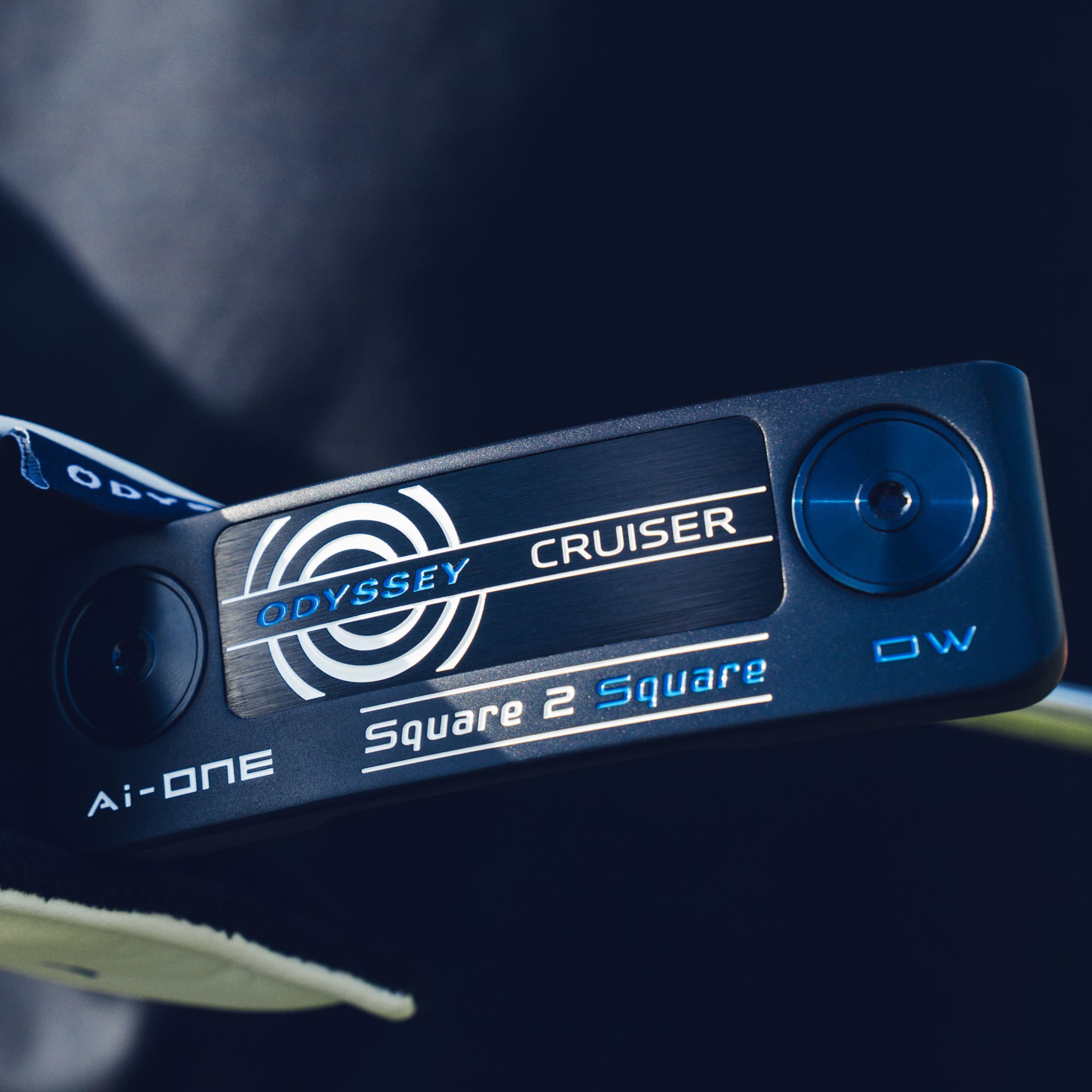
Odyssey Square 2 Square putter for golfers wanting a mainstream zero torque route. Image credit: Odyssey
Signs that your current putter may be the wrong type
| What you keep noticing | Why zero torque may help |
|---|---|
| You feel as though you are steering the face on short putts | The category often suits golfers wanting less manipulation |
| Your start line is inconsistent even when the read is good | A calmer face picture may improve launch direction |
| You prefer modern alignment help and stable mallet visuals | Many zero torque models lean heavily into those strengths |
| You test zero torque and immediately feel more organised | That first positive reaction is often meaningful |
What still matters besides the category
Even if you are the right type of golfer, spec still matters. A well-suited zero torque head can feel poor if it is the wrong length, lie or grip. That is one reason some golfers draw the wrong conclusion after testing one badly built example.
Our Putter Length, Lie and Loft Guide is especially relevant here, and so is Loft and Lie Adjustment.
Treat the category as part of the answer, not the full answer.
Why indoor testing can reveal the right golfer quickly
Controlled practice makes suitability easier to see. When you roll the same putts repeatedly, you can tell whether the face feels quieter, whether your line improves and whether your confidence rises. That is much harder to judge on a crowded practice green with changing surfaces and random distraction.
This is one reason the wider Outtabounds indoor golf resources such as How to Build a Golf Simulator in the UK and Impact Screens are relevant. Structured practice environments make equipment decisions clearer.
A simple decision framework
- Test zero torque if your main putting frustration is face control and start line.
- Stay open-minded on shape because the first visual match is not always the right one.
- Do not buy blind without checking length, lie and grip.
- Walk away if the category makes pace control and confidence worse after a fair trial.
Explore the Full Zero Torque Putters Series
- What Is a Zero Torque Putter and How Does It Work
- Why Zero Torque Putters Feel Different to Traditional Putters
- Zero Torque vs Face Balanced Putters
- Zero Torque vs Toe Hang Putters
- L.A.B Golf Lie Angle Balance Technology Explained
- Odyssey Square 2 Square Putters Explained
- Best Zero Torque Putters Available Right Now
- Who Should Use a Zero Torque Putter
- Are Zero Torque Putters Worth It
Conclusion
Zero torque putters are most likely to suit golfers who want less face manipulation, more stability and a calmer visual picture through the stroke. They are less compelling for golfers who already putt very well with traditional shapes or who depend on a freer release feel.
The good news is that suitability usually becomes clear quite quickly if you test properly. If the putter immediately cleans up your start line and makes you feel more settled, the category is probably worth exploring. If not, there is no need to force the answer.


